


 North Korea Rejects Nuclear Test Warning, Calls Nuclear Status Irreversible
  Ukrainian Drone Attacks Hit Russian Regions, Injuring at Least 12
  Trump, Xi Focus on Trade and AI at White House Summit
  Kremlin Says No Decision Yet on Putin-Trump December Summit
  South Korea, US Discuss Warship Building Cooperation
  NATO Boosts Intelligence Sharing Amid Russia Hybrid Threats
  Mexico-US Trade Talks Delayed to October as Tariff Negotiations Continue
  North Korea Warns South Korea Over US-Led Defense Role
  Trump Asks Supreme Court to Restore Third-Country Deportations
  Saudi Arabia, Turkey and Pakistan Plan Urgent Defence Talks Over Houthi Attacks
  US Senate Rejects Iran War Powers Resolution in 50-49 Vote
  Abbas Reaffirms November 28 Palestinian Elections
  Russian Missile and Drone Attack on Kyiv Kills Two, Damages Maternity Hospital
  Yemen Violence Displaces 130,000 as Civilian Toll Rises
  Netanyahu Takes Aim at Mamdani as Israel Election Nears
  Najib Razak Seeks Stay of 15-Year 1MDB Prison Sentence
  Netanyahu’s Brief US Trip Highlights Strains With Trump


 Add as a preferred source on Google
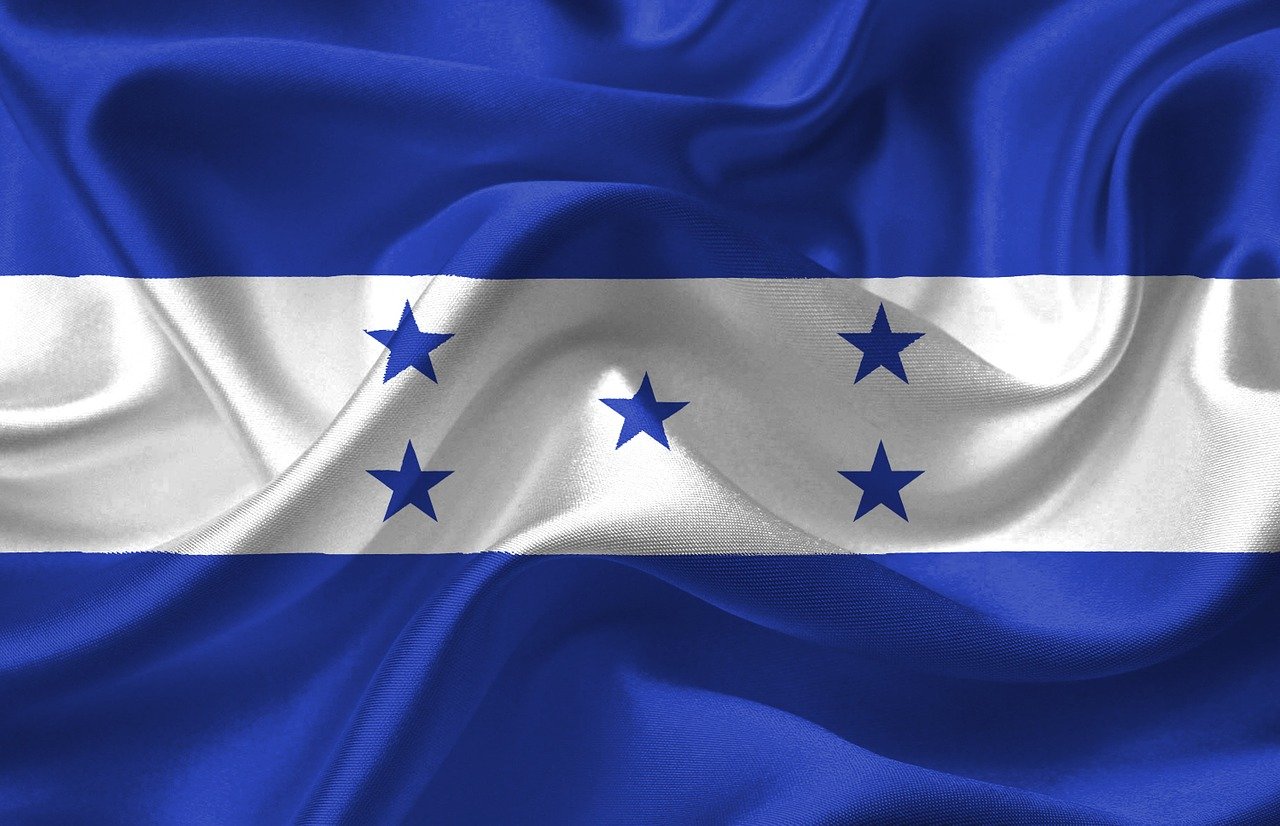
A special manual recount in Honduras’ presidential election remained stalled on Wednesday as protests prevented electoral staff from accessing their workplace, deepening political tensions and prolonging uncertainty over the final outcome. The recount, which could potentially alter the preliminary results from the November 30 election, was scheduled to begin late last week after nearly two weeks of delays caused by disputes and disruptions.
Honduras’ National Electoral Council (CNE) has confirmed that it is prepared to conduct a hand review of approximately 15% of tally sheets, equivalent to hundreds of thousands of ballots. These tally sheets reportedly contain inconsistencies that, if corrected, could shift the standings between the two leading candidates. As of Wednesday, with nearly 100% of tally sheets processed in the regular machine count, opposition National Party candidate Nasry Asfura held a lead of more than 43,000 votes over Liberal Party candidate Salvador Nasralla.
Asfura, a 67-year-old former mayor of Tegucigalpa, has drawn international attention after receiving public support from U.S. President Donald Trump. Meanwhile, Rixi Moncada of the ruling leftist LIBRE party trailed in third place. Both LIBRE and Nasralla are calling for a full recount of all votes, alleging fraud in the counting process, though no concrete evidence has been presented.
CNE President Ana Paola Hall said the recount has been delayed because protesters linked to LIBRE have blocked access to the electoral authority’s building. She emphasized that Honduran electoral law only allows special reviews when there are objective and specific grounds, adding there is no legal basis for a complete recount without verified irregularities. According to officials, just over 2,792 tally sheets show inconsistencies, a figure large enough to potentially influence the final result.
The election results will remain preliminary until the review process is completed. The CNE has until December 30 to officially declare a winner, who will assume office at the end of January for the 2026–2030 term, replacing President Xiomara Castro. International observers, including the European Union and the Organization of American States, have stated they see no evidence of systematic electoral fraud, even as protests and political rhetoric continue to escalate.







