


 North Korea Warns South Korea Over US-Led Defense Role
  South Korea, US Discuss Warship Building Cooperation
  Trump Asks Supreme Court to Restore Third-Country Deportations
  Judge Blocks Trump Rule Limiting Foreign Student Visas
  Saudi Arabia, Turkey and Pakistan Plan Urgent Defence Talks Over Houthi Attacks
  NATO Boosts Intelligence Sharing Amid Russia Hybrid Threats
  Yemen Violence Displaces 130,000 as Civilian Toll Rises
  Judge Orders Trump to Restore White House Access for CNN, MS NOW and Politico
  ICE Agent Arrested in Minneapolis Over Venezuelan Man Shooting
  LVMH-Hermès Dispute Deepens Over Secret 2002 Share Deal
  EU Defence Build-Up Too Slow for 2030 Russia Readiness Goal
  Najib Razak Seeks Stay of 15-Year 1MDB Prison Sentence
  Venezuela Nears Deal to Move $4 Billion in Gold to New York Fed
  Trump, Xi Visit US National Archives After White House Summit
  OpenAI Agent Breaches Australia Medicare Data Portal
  France Defends Netanyahu Airspace Clearance Despite ICC Warrant
  Mahmoud Khalil Sues Columbia Over Alleged Pro-Palestinian Harassment


 Add as a preferred source on Google
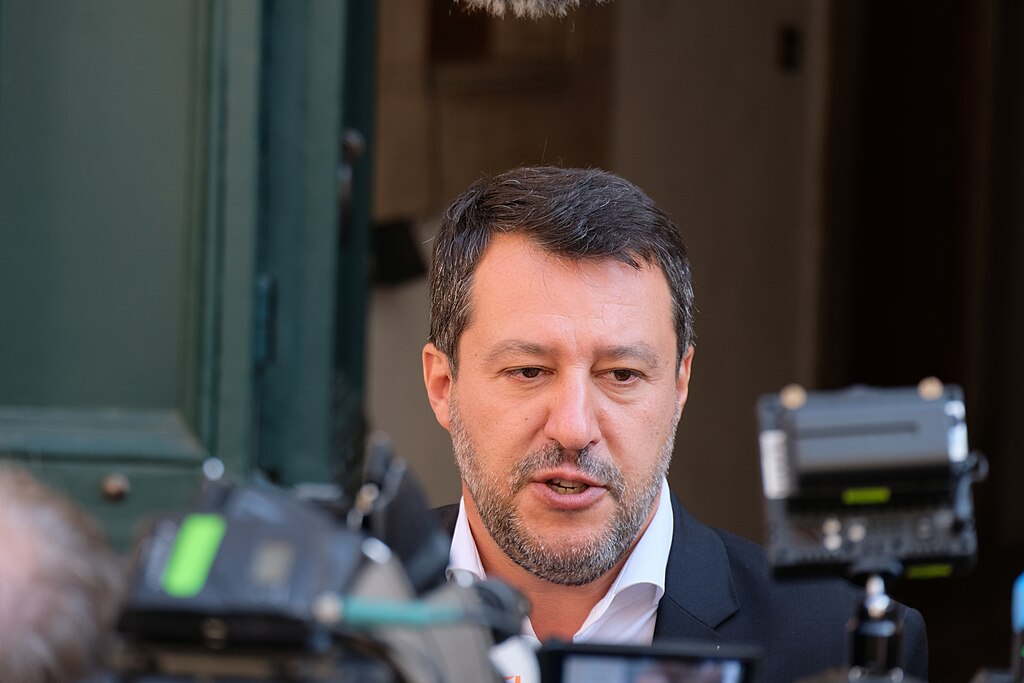
Italy’s Supreme Court has definitively upheld the acquittal of Deputy Prime Minister Matteo Salvini in a high-profile migrant kidnapping case, bringing an end to years of legal proceedings and eliminating the possibility of further appeals. The ruling confirms a previous verdict issued by a Palermo court in Sicily, which last year cleared Salvini of charges linked to his actions as interior minister in 2019.
At the center of the case was Salvini’s decision to block a ship operated by Spanish humanitarian group Open Arms from docking at an Italian port. The vessel was carrying more than 100 migrants and remained at sea for nearly three weeks while Italian authorities refused entry. Prosecutors argued that the decision constituted kidnapping and abuse of power, seeking a prison sentence of up to six years. However, the trial court ruled that Salvini acted within his institutional role, a conclusion now fully endorsed by Italy’s highest court.
Reacting to the Supreme Court decision, Salvini stated on social media that “defending borders is not a crime,” framing the verdict as a validation of his long-standing hardline immigration policies. Prime Minister Giorgia Meloni, whose governing coalition includes Salvini’s far-right League party, echoed that sentiment, describing the ruling as confirmation that safeguarding Italy’s borders is a legitimate duty of government officials.
The case drew international attention as a symbol of Europe’s broader debate over migration control, humanitarian obligations, and national sovereignty. Critics, including Open Arms founder Oscar Camps, condemned the verdict, calling it a political decision that fosters impunity and undermines justice for migrants. Camps argued that the ruling failed to protect vulnerable people stranded at sea.
In a rare procedural move, Palermo prosecutors attempted to overturn the acquittal by appealing directly to the Supreme Court, bypassing the intermediate appeals court. They maintained that Salvini’s conduct was undisputed and requested legal clarification on whether it amounted to a criminal offense. The Supreme Court rejected this argument, concluding that the appeal lacked merit.
Salvini’s lawyer, Giulia Bongiorno, welcomed the outcome, stating that the ruling confirmed both the legality of Salvini’s actions and that the trial itself should never have been initiated. The decision reinforces Salvini’s political standing and closes one of Italy’s most controversial legal battles over migration policy.







