


 Pentagon Restarts Testosterone Testing for US Troops
  Pezeshkian Says US Must Choose When Iran War Ends
  FCC Approves Foreign Investment in $110B Paramount-Warner Bros. Deal
  Trump Scales Back Endangered Species Act Protections
  Who should own the knowledge that underpins AI technology?
  NATO Boosts Intelligence Sharing Amid Russia Hybrid Threats
  US Immigration Arrests Surge as Deportations Lag Behind
  Synthetic data could ease people’s concerns about privacy breaches. But who gets to create it?
  US Backs Musk in Fight Against EU’s €120 Million X Fine
  DOJ Will Investigate AI-Related Crimes, Attorney General Blanche Says
  US Bans Canadian Alcohol, Motorcycles as Trade War Escalates
  Xi Calls for Deeper U.S.-China AI Cooperation in Trump Talks
  US Judge Dismisses Imran Ahmed Deportation Lawsuit
  Russian Missile and Drone Attack on Kyiv Kills Two, Damages Maternity Hospital
  Mexico-US Trade Talks Delayed to October as Tariff Negotiations Continue
  Canada Unveils Bill to Fast-Track Major Resource Projects
  U.S. Imposes New Visa Restrictions Over South Africa Policies


 Add as a preferred source on Google
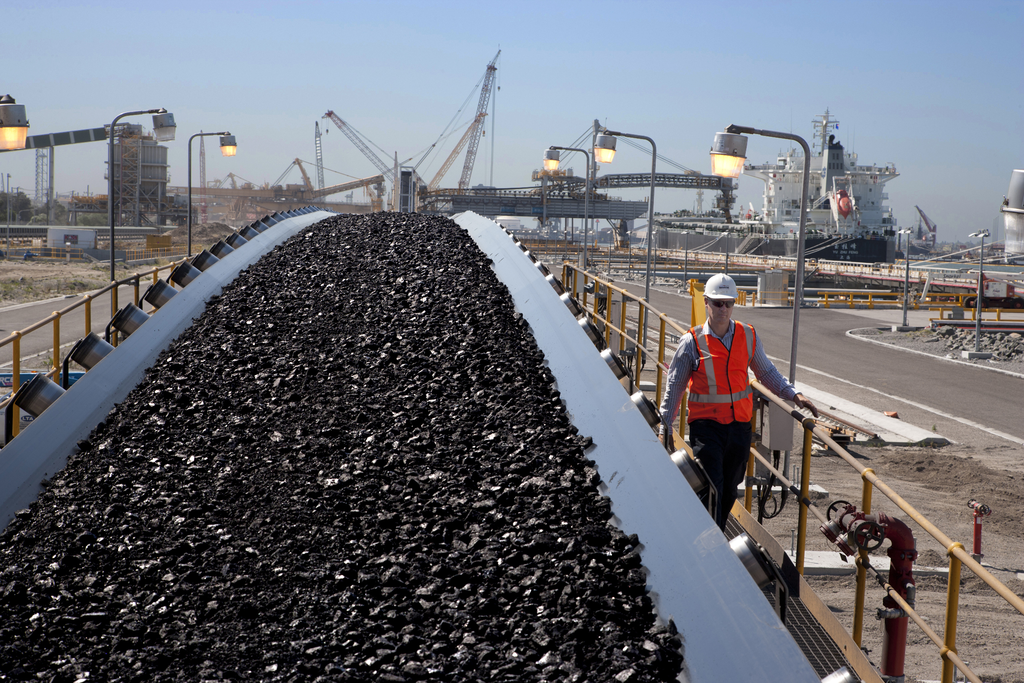
The U.S. Energy Secretary has signed an emergency order to keep a key coal-fired power unit at the TransAlta-owned Centralia Generating Station in Washington state operating through much of the winter, marking the latest effort by the Trump administration to bolster fossil fuel-based electricity generation. The order, signed on Tuesday, directs Unit 2 of the Centralia coal power plant to remain online until March 16, 2026, despite its previously scheduled shutdown at the end of 2025.
The decision reflects growing concerns within the federal government about electricity reliability as power demand surges across the United States. According to Energy Secretary Chris Wright, the administration anticipates that many coal plants nearing retirement will delay closure to help meet rising electricity needs, particularly those driven by artificial intelligence data centers and increased manufacturing activity. Wright told Reuters in September that federal officials have been in discussions with utilities nationwide and expect most of the several dozen U.S. coal plants slated for retirement to continue operating longer than planned.
Coal power remains one of the most carbon-intensive energy sources, releasing more carbon dioxide than any other fossil fuel when burned. Despite longstanding efforts to transition toward cleaner energy, U.S. coal power generation has increased this year as utilities respond to higher electricity demand tied to AI infrastructure, industrial expansion, and grid reliability concerns during peak seasons.
The move to keep the Centralia Generating Station running follows a similar intervention last month, when the Trump administration ordered the J.H. Campbell coal-fired plant in Michigan to stay open for a third time. That plant is now expected to operate through mid-February, even though its majority owner has stated that the delays have already resulted in tens of millions of dollars in additional costs.
Supporters argue that extending the life of coal plants helps stabilize the power grid during periods of high demand, while critics warn that continued reliance on coal undermines climate goals and increases greenhouse gas emissions. As artificial intelligence continues to drive unprecedented electricity consumption, the debate over coal, energy security, and environmental impact is likely to intensify.







