


 Ukrainian Drone Attacks Hit Russian Regions, Injuring at Least 12
  Trump Administration Bars U.S. Travelers From Congo Flights Amid Ebola Outbreak
  OpenAI Agent Breaches Australia Medicare Data Portal
  Saudi Arabia, Turkey and Pakistan Plan Urgent Defence Talks Over Houthi Attacks
  FDA Weighs Safety Standards for Psychedelic Therapies
  Hanmi Pharm Soars 30% on $2.3 Billion Genentech Obesity Drug Deal
  Sudan Rejects US Legitimacy Remarks, Defends Sovereignty
  Taiwan Thanks US for Support Ahead of Trump-Xi Summit
  EU Defence Build-Up Too Slow for 2030 Russia Readiness Goal
  Xi Calls for Deeper U.S.-China AI Cooperation in Trump Talks
  AstraZeneca Shares Sink After Wainua Trial Misses Key Heart Disease Goal
  Eli Lilly Eyes AtaiBeckley Acquisition to Expand Psychedelic Mental Health Pipeline
  SK Biopharmaceuticals Secures Global Rights to Biohaven Epilepsy Drug Opakalim
  Novo Nordisk Strikes €1.17 Billion Nanexa Drug Delivery Deal
  Ghana Says Western Support Growing for Slave Trade Reparations
  France Keeps Top Health Alert as Officials Brace for Another Heatwave


 Add as a preferred source on Google
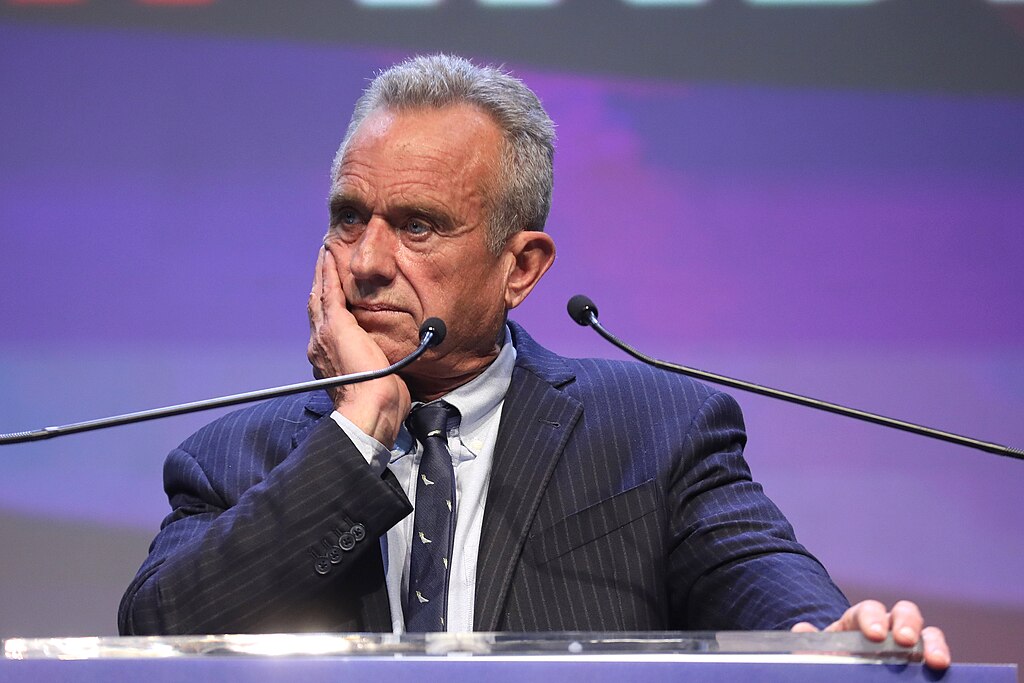
U.S. Health Secretary Robert F. Kennedy Jr. reignited vaccine controversy this week by repeating debunked claims about the MMR (Measles, Mumps, Rubella) vaccine during a growing measles outbreak, one of the worst in 25 years. Kennedy alleged that the vaccine contains cells from aborted fetuses and questioned the efficacy of the mumps component, sparking backlash from medical experts.
The outbreak, centered in a Mennonite community in Texas, has spread to Oklahoma, Kansas, and New Mexico, infecting hundreds and killing two children. Scientists warn the U.S. may lose its measles elimination status, achieved in 2000, if vaccination rates continue to decline.
Kennedy, long known for promoting vaccine skepticism, claimed in a News Nation interview that religious groups avoid the MMR vaccine due to "aborted fetus debris." However, experts clarified that while the rubella component is produced using a fetal cell line from a 1960s abortion, no actual fetal cells are present in the final vaccine. These lab-grown cells have been replicated for decades and are filtered out during production, leaving only a purified, weakened virus.
According to Dr. Miriam Laufer from the University of Maryland and Dr. Paulo Verardi from the University of Connecticut, any DNA remnants in the final vaccine are negligible—measured in billionths of a gram.
Kennedy also said the mumps portion of the vaccine “doesn’t work” and lacked proper safety testing. However, the CDC reports that two doses of MMR provide about 86% protection against mumps. While immunity may wane over time, vaccinated individuals typically experience milder symptoms if infected.
The Department of Health and Human Services declined to comment on Kennedy’s statements, which many experts say undermine public trust in proven vaccine science.







