


 AstraZeneca Shares Sink After Wainua Trial Misses Key Heart Disease Goal
  Moderna Wins FDA Approval for mFLUSIVA mRNA Flu Vaccine for Adults 50+
  FDA Approves Mirum’s Atebrioz for Rare Bone Disorder FOP
  Select Water Solutions Shares Surge on $700 Million Pilot Water Deal
  Oura IPO Draws Strong Demand Ahead of $2.2 Billion Offering
  US-Backed Pediatric HIV Treatment Drops After Foreign Aid Changes, Study Finds
  SK Biopharmaceuticals Secures Global Rights to Biohaven Epilepsy Drug Opakalim
  Novartis Shares Plunge After Muscle Drug Fails Phase III Trial
  Akamai Shares Surge on $11.6B Anthropic AI Cloud Deal
  Hims & Hers Shares Fall as GLP-1 Costs Widen Q2 Loss
  GSK Unveils $2.52 Billion Cost-Cutting Plan to Accelerate Drug Pipeline
  SMBC Eyes 20% VPBank Stake in Vietnam Expansion
  Trump Signs Order to Cut Routine Childhood Vaccines
  Dubai’s connectivity remains strong in an uncertain world


 Add as a preferred source on Google
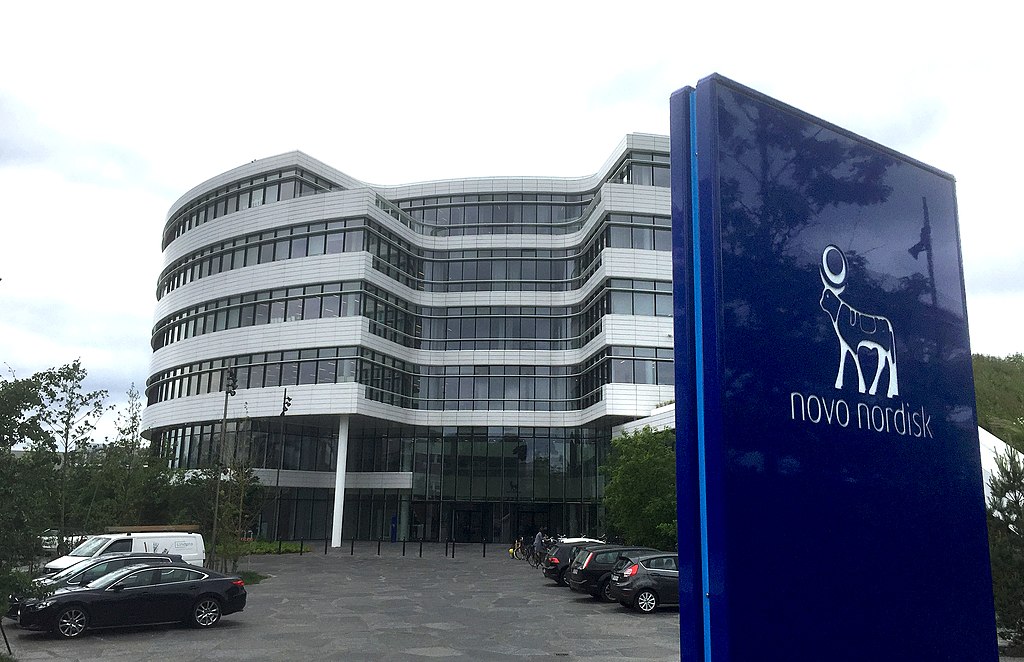
Novo Nordisk and Eli Lilly are reducing prices for their widely used obesity medications, Wegovy and Mounjaro, in China, a move that could significantly expand patient access in one of the world’s largest pharmaceutical markets. The price adjustment comes as China faces steadily rising obesity rates and growing demand for effective weight-loss treatments.
Novo Nordisk confirmed that it has begun adjusting the prices of Wegovy in China, although the company did not disclose a full breakdown of the new pricing structure. According to Chinese business news outlet Yicai, list prices for the two highest dosages of Wegovy have been reduced by as much as 48% in certain provinces. Under the reported changes, the monthly cost for these dosages has fallen to approximately 987 yuan ($141) and 1,284 yuan ($183), marking a substantial decrease compared with previous pricing.
In a statement, Novo Nordisk said the price reduction is aimed at easing the financial burden on patients and improving overall treatment accessibility. The company emphasized that the pricing adjustment aligns with its broader commitment to addressing chronic diseases such as obesity and supporting better long-term health outcomes for patients.
Chinese drug suppliers have also indicated that Eli Lilly’s obesity treatment, Mounjaro, is seeing similar price adjustments, although detailed figures have not been officially confirmed. Both Wegovy and Mounjaro are part of a new generation of GLP-1-based medications that have gained global attention for their effectiveness in weight management and metabolic health.
The price cuts could have a meaningful impact in China, where obesity and related conditions such as type 2 diabetes and cardiovascular disease are becoming more prevalent due to lifestyle changes and urbanization. Lower prices may encourage more patients to seek medical treatment rather than relying solely on diet or unregulated supplements.
For Novo Nordisk and Eli Lilly, reducing prices in China may also help strengthen their competitive positions as domestic pharmaceutical companies accelerate development of similar weight-loss drugs. Overall, the move highlights how global drugmakers are adapting pricing strategies to local markets while responding to rising demand for obesity treatments worldwide.







