


 Hanmi Pharm Soars 30% on $2.3 Billion Genentech Obesity Drug Deal
  The government is ‘doubling down’ on its social media ban. But bigger penalties for platforms aren’t enough
  FCC Approves Foreign Investment in $110B Paramount-Warner Bros. Deal
  Trump Administration Removes Confederate Memorial Criticism From Arlington Website
  AstraZeneca Halts Phase III Volrustomig Lung Cancer Trial After Efficacy Setback
  Novartis Shares Plunge After Muscle Drug Fails Phase III Trial
  ICE Agent Arrested in Minneapolis Over Venezuelan Man Shooting
  US Bans Canadian Alcohol, Motorcycles as Trade War Escalates
  OpenAI Agent Breaches Australia Medicare Data Portal
  Mercedes-Benz Eyes €800 Million Labor Cost Cuts in Germany
  FDA Investigates New Cyclospora Outbreak as U.S. Cases Continue to Rise
  France Battles Mediterranean Wildfires as Heatwave Fuels Fire Risk
  U.S. Imposes New Visa Restrictions Over South Africa Policies
  GLP-1 Weight-Loss Drug Use Surges Among U.S. Children
  Judge Blocks Trump Rule Limiting Foreign Student Visas
  SoftBank Shares Fall as Oracle Flags Stargate Data Center Delay Risk


 Add as a preferred source on Google
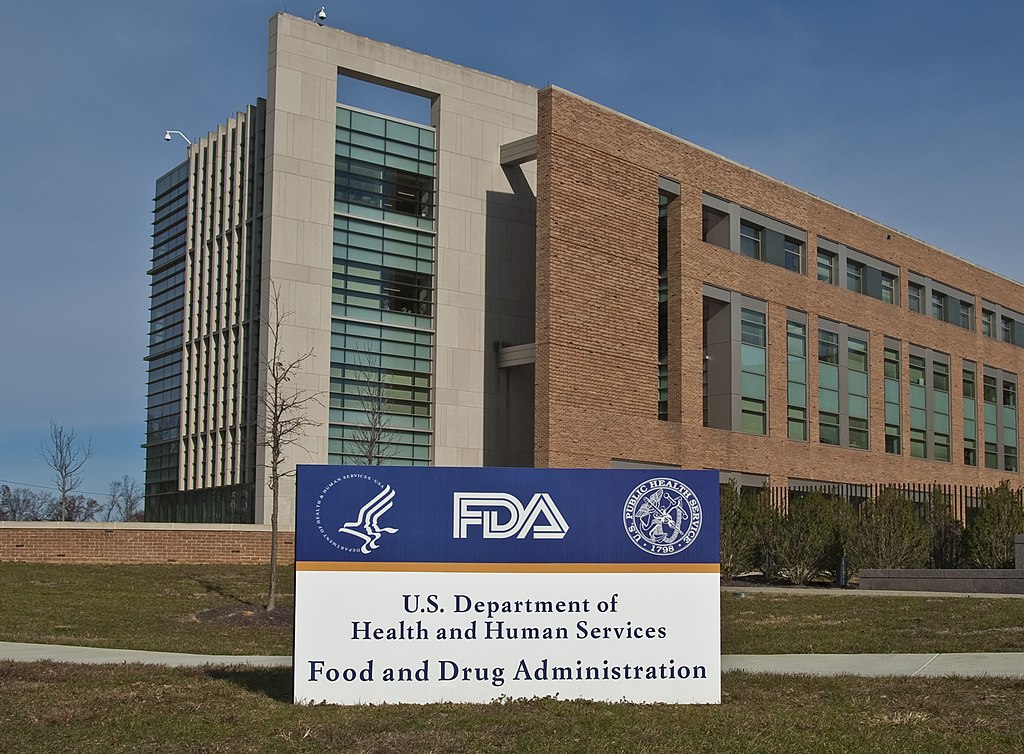
Agios Pharmaceuticals has announced a major regulatory milestone with the U.S. Food and Drug Administration approving mitapivat for the treatment of anemia in adults with alpha- or beta-thalassemia. The approval represents a significant advancement for patients living with these inherited blood disorders, many of whom face lifelong complications related to chronic anemia and frequent blood transfusions.
Mitapivat, an oral therapy developed by Agios, is designed to address the underlying metabolic pathways involved in red blood cell function. The FDA’s decision was supported by strong data from Phase 3 clinical trials, which demonstrated that the treatment significantly improved hemoglobin levels in adult patients with alpha- or beta-thalassemia. In addition to increasing hemoglobin, the trials showed a meaningful reduction in transfusion burden, an outcome that could greatly improve quality of life for patients who currently depend on regular transfusions.
According to the company, mitapivat is expected to become available to eligible patients in late January 2026. This timeline reflects the need to implement a Risk Evaluation and Mitigation Strategy (REMS) program, a requirement set by the FDA to ensure the safe use of the medication. REMS programs are typically mandated when specific safety risks need to be carefully managed through monitoring, education, or controlled distribution.
While the overall clinical trial results were positive, Agios also disclosed safety findings observed during development. Five patients participating in the trials experienced adverse reactions that suggested hepatocellular injury. These cases were closely evaluated and factored into the FDA’s benefit-risk assessment, ultimately leading to the approval with additional safety oversight through the REMS program.
The FDA approval of mitapivat marks an important step forward in the treatment landscape for thalassemia-related anemia. As the first therapy of its kind approved for both alpha- and beta-thalassemia in adults, mitapivat offers new hope for reducing disease burden and improving long-term outcomes. With its upcoming launch and safety measures in place, the therapy is poised to play a key role in addressing unmet needs within the thalassemia community.







