


 SMBC Eyes 20% VPBank Stake in Vietnam Expansion
  BlackBerry Shares Rise as Q2 Earnings, Revenue Beat Estimates
  SoftBank Raises $11.1 Billion in Bond Sale to Fund OpenAI Investment
  BMW 2028 Margin Target Could Fall Below Consensus, UBS Says
  McDonald’s Sees Flat Traffic, Sticky Inflation as New Normal
  Hims & Hers Shares Fall as GLP-1 Costs Widen Q2 Loss
  OpenAI to Preview GPT-6 Cyber AI Model for Cybersecurity
  Oracle Shares Fall as New Mexico AI Data Center Faces Power Delays
  Venezuela Earthquake Health Risks Rise as Disease Monitoring Intensifies
  FDA Investigates New Cyclospora Outbreak as U.S. Cases Continue to Rise
  SpaceXAI to Double Nvidia Chips at Colossus 2 by Year-End
  AstraZeneca Halts Phase III Volrustomig Lung Cancer Trial After Efficacy Setback
  Novo Nordisk Eyes Turnaround as Oral Wegovy Challenges Eli Lilly in Weight-Loss Drug Race
  H&M Q3 Profit Beats Estimates as Margins Improve
  3 clinical-grade skincare creams you really shouldn’t buy online
  Jeff Bezos Invests $32 Billion in Blue Origin as Space Firm Targets Major Growth


 Add as a preferred source on Google
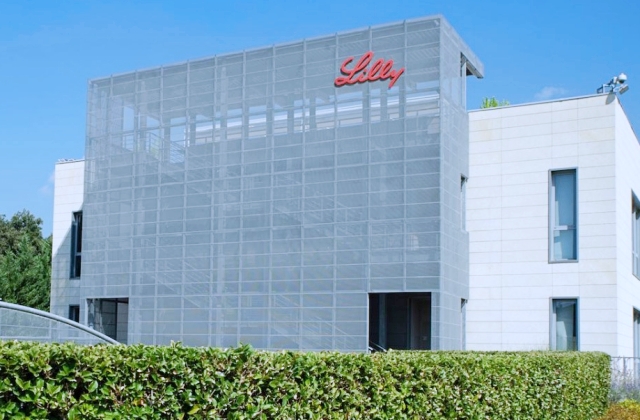
Global pharmaceutical leaders Eli Lilly and Novo Nordisk are intensifying competition in India’s rapidly expanding obesity drug market as they race to secure dominance before lower-cost generic alternatives arrive in early 2026. With India projected to become the world’s second-largest overweight and obese population by 2050, the country has emerged as a critical growth market for GLP-1 weight loss drugs such as Mounjaro, Wegovy, and Ozempic.
India’s obesity drug market has grown fivefold since 2021 and is currently valued at around 6.28 billion rupees, according to Pharmarack. Analysts estimate it could surpass $1 billion within two years, despite most patients paying out-of-pocket. This growth has prompted aggressive strategies from both companies, including price cuts, faster product launches, partnerships with local drugmakers, doctor outreach, clinic tie-ups, and widespread obesity awareness campaigns.
Eli Lilly gained an early advantage with the March launch of Mounjaro in India, which quickly became the top-selling obesity and diabetes therapy by value. Doctors report strong demand due to its earlier availability and claims of greater weight loss, especially among patients with severe obesity. Lilly has further expanded its reach by partnering with Cipla to launch a second tirzepatide brand, Yurpeak, aimed at smaller towns, and by collaborating with Apollo Hospitals. The company has also invested over $1 billion in expanding manufacturing in India and used high-profile Bollywood actors in social media campaigns to boost obesity awareness.
Novo Nordisk, facing pressure from Lilly’s early lead and upcoming patent expiries, has responded with significant price cuts of up to 37% on Wegovy and the recent launch of Ozempic at a lower price point. Novo has partnered with Emcure Pharmaceuticals to roll out a second semaglutide brand, Poviztra, and teamed up with digital health platforms to offer patient coaching. While more than 20 Indian drugmakers plan to introduce cheaper generics once semaglutide patents expire in March 2026, Novo says it will focus on quality, trust, and affordability rather than patents alone.
As competition intensifies, India is becoming a key battleground for the global obesity drug market, which analysts expect to reach $150 billion annually by the end of the decade.







