


 US 10-Year Treasury Yield at 6% Emerges as New Market Risk Threshold
  Novo Nordisk Eyes Turnaround as Oral Wegovy Challenges Eli Lilly in Weight-Loss Drug Race
  The government is ‘doubling down’ on its social media ban. But bigger penalties for platforms aren’t enough
  U.S. Issues Cuba Health Alert as Illnesses Rise
  SpaceXAI to Double Nvidia Chips at Colossus 2 by Year-End
  SK Biopharmaceuticals Secures Global Rights to Biohaven Epilepsy Drug Opakalim
  OpenAI Agent Breaches Australia Medicare Data Portal
  Akamai Shares Surge on $11.6B Anthropic AI Cloud Deal
  BlackBerry Shares Rise as Q2 Earnings, Revenue Beat Estimates
  Alcohol is one of the most dangerous drugs, yet its presence is ubiquitous in social settings and celebrations
  Novo Nordisk Strikes €1.17 Billion Nanexa Drug Delivery Deal
  GSK Unveils $2.52 Billion Cost-Cutting Plan to Accelerate Drug Pipeline
  JPMorgan Names Lavatelli Japan Chief in Leadership Shake-Up
  Oracle Shares Fall as New Mexico AI Data Center Faces Power Delays
  SoftBank Raises $11.1 Billion in Bond Sale to Fund OpenAI Investment
  Apple Extends Qualcomm Patent Licensing Deal
  McDonald’s Sees Flat Traffic, Sticky Inflation as New Normal


 Add as a preferred source on Google
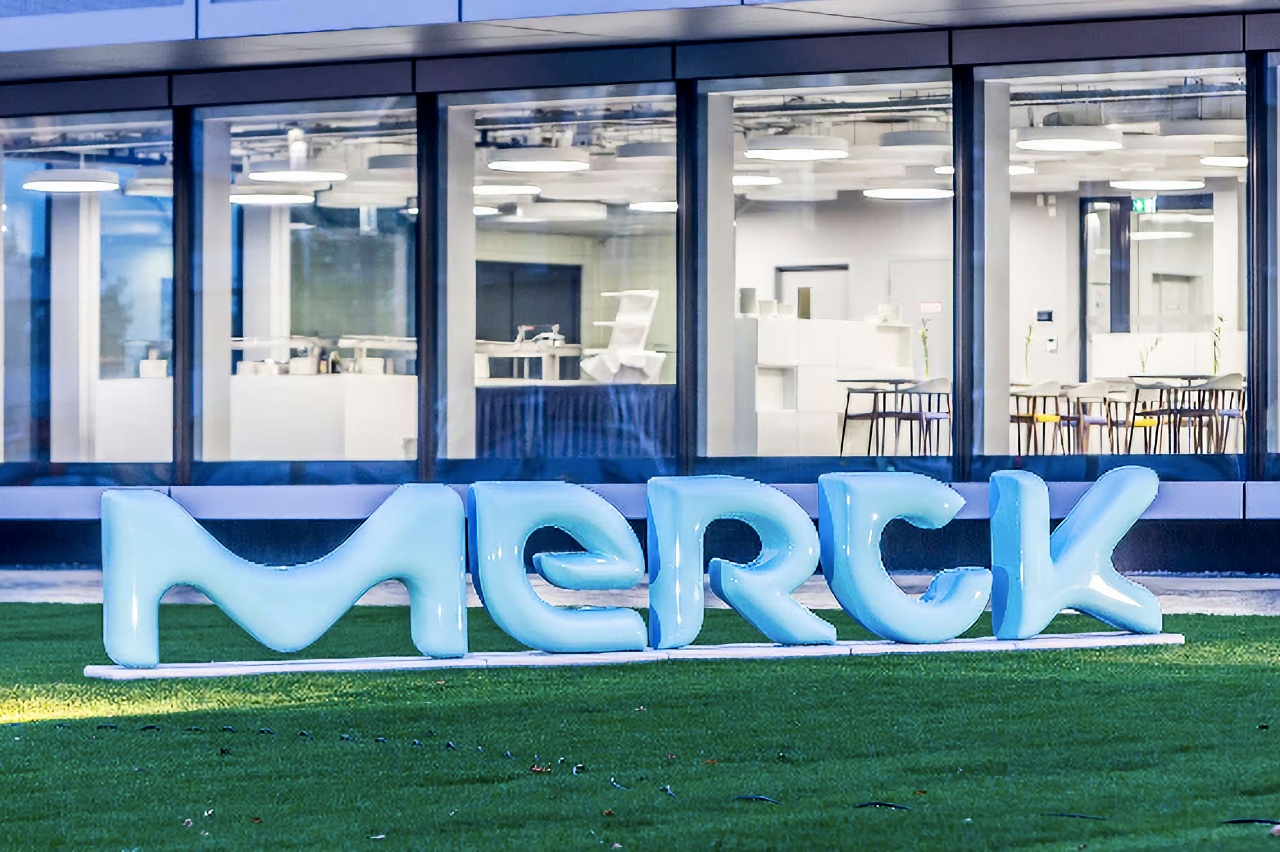
Merck announced on Monday that it has significantly raised its long-term growth outlook, projecting up to $70 billion in revenue from new growth drivers by the mid-2030s. The updated forecast highlights the pharmaceutical giant’s strategy to accelerate the launch of new drugs as it prepares for increasing competition to its blockbuster cancer treatment, Keytruda, which has been a major revenue pillar for the company.
The drugmaker now expects its cardiometabolic and respiratory portfolio to generate approximately $20 billion in annual sales, a notable increase from its previous estimate of $15 billion. This upward revision reflects Merck’s confidence in its expanding pipeline of treatments targeting chronic conditions such as heart disease, diabetes, and respiratory disorders, which continue to represent significant global health challenges and large commercial opportunities.
Infectious disease treatments are also expected to play a much larger role in Merck’s future growth. The company raised its revenue projection for this segment to about $15 billion, tripling its earlier forecast of $5 billion. This increase underscores Merck’s strategic focus on vaccines and antiviral therapies, areas that have gained renewed importance amid heightened global awareness of pandemic preparedness and infectious disease prevention.
Overall, Merck’s revised outlook underscores its broader effort to diversify revenue streams beyond Keytruda ahead of patent expirations and competitive pressures expected later this decade. By investing heavily in research and development and accelerating the commercialization of new therapies, the company aims to sustain long-term revenue growth and maintain its leadership position in the global pharmaceutical market.
The announcement signals strong confidence from Merck’s leadership in the company’s innovation pipeline and long-term strategy. For investors and industry observers, the updated forecast highlights how major drugmakers are reshaping their portfolios to adapt to evolving market dynamics, regulatory landscapes, and patient needs, while seeking to offset risks associated with reliance on a single blockbuster drug.







