


 North Korea Rejects Nuclear Test Warning, Calls Nuclear Status Irreversible
  Netanyahu’s Brief US Trip Highlights Strains With Trump
  Kremlin Says No Decision Yet on Putin-Trump December Summit
  OpenAI Agent Breaches Australia Medicare Data Portal
  Ghana Says Western Support Growing for Slave Trade Reparations
  NATO Boosts Intelligence Sharing Amid Russia Hybrid Threats
  Yemen Violence Displaces 130,000 as Civilian Toll Rises
  Trump Administration Plans Faster FDA Reviews for Smoke-Free Nicotine Products
  Europe Warns Russia Is Escalating Hybrid Attacks Across NATO
  Taiwan Thanks US for Support Ahead of Trump-Xi Summit
  EU Defence Build-Up Too Slow for 2030 Russia Readiness Goal
  Venezuela Promises Elections as Delcy Rodriguez Pledges Democratic Transition
  US Backs Musk in Fight Against EU’s €120 Million X Fine
  US Senate Rejects Iran War Powers Resolution in 50-49 Vote
  Russian Envoy Dmitriev Heads to US for Ukraine Talks
  France Defends Netanyahu Airspace Clearance Despite ICC Warrant
  US Invites Putin to Miami G20, Opening Door to Trump Summit


 Add as a preferred source on Google
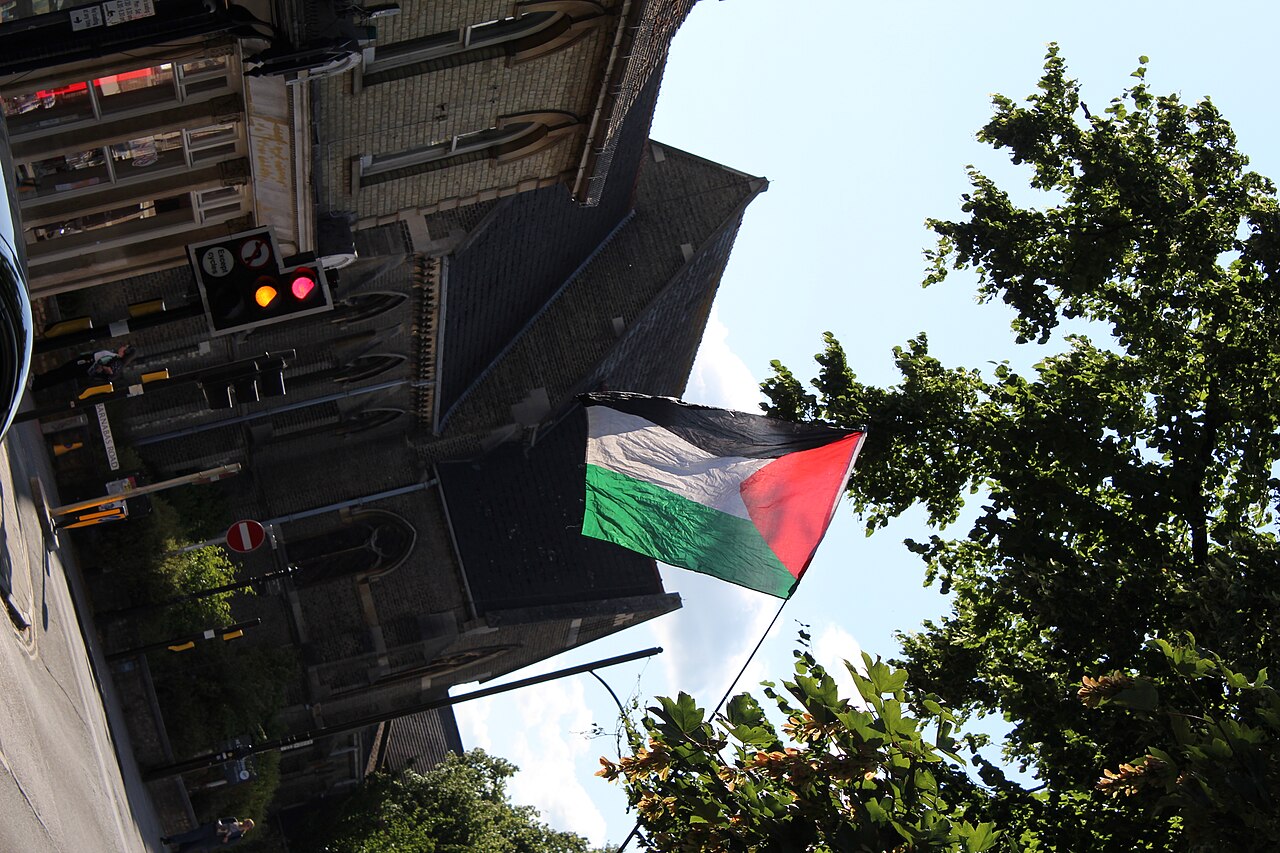
Palestinians participated in local elections on Saturday, marking a significant political moment as voting extended to Gaza for the first time in nearly two decades. The inclusion of Deir al-Balah, a city in the Gaza Strip, is seen as an effort by the Palestinian Authority (PA) to reassert its governance over the territory, which has been under Hamas control since 2007. These Palestinian elections are also being closely watched as a measure of public sentiment during a prolonged conflict and humanitarian crisis.
Despite the symbolic importance of the vote, turnout figures reflected the challenges on the ground. Only 22.7% of eligible voters cast ballots in Deir al-Balah, compared to 53.44% participation in the West Bank. Analysts suggest that the low turnout in Gaza highlights the severe humanitarian conditions, where many residents are prioritizing basic survival over political engagement. In the West Bank, political boycotts by certain factions also contributed to reduced voter participation.
Palestinian President Mahmoud Abbas emphasized the unity between Gaza and the West Bank, expressing hope that broader elections would eventually take place when conditions improve. The elections are viewed by some international observers as a potential step toward long-delayed legislative and presidential elections, which could strengthen transparency and governance within the Palestinian Authority.
The broader geopolitical context continues to shape the situation. Israel’s control over parts of Gaza and the West Bank, along with its withholding of Palestinian tax revenues, has intensified economic pressure on the PA. Meanwhile, Hamas chose not to formally participate but is believed to have indirect influence through aligned candidates.
With over one million eligible voters, including around 70,000 in Gaza, these elections represent a cautious move toward restoring democratic processes. However, ongoing conflict, political divisions, and economic instability remain major obstacles to long-term political progress and the future of a Palestinian state.







