


 US Judge Dismisses Imran Ahmed Deportation Lawsuit
  US Bans Canadian Alcohol, Motorcycles as Trade War Escalates
  Trump Administration Plans Faster FDA Reviews for Smoke-Free Nicotine Products
  Yemen Violence Displaces 130,000 as Civilian Toll Rises
  US Backs Musk in Fight Against EU’s €120 Million X Fine
  China Tightens Fentanyl Rules Ahead of Trump-Xi Summit
  Trump, Xi Focus on Trade and AI at White House Summit
  FCC Approves Foreign Investment in $110B Paramount-Warner Bros. Deal
  Trump Administration Removes Confederate Memorial Criticism From Arlington Website
  Trump Asks Supreme Court to Restore Third-Country Deportations
  White House Bars CNN, MS NOW and Politico Reporters
  Judge Blocks Trump Rule Limiting Foreign Student Visas
  Judge Orders Trump to Restore White House Access for CNN, MS NOW and Politico
  Australia Tightens Student Visa Rules, Targets Migration Cut by 2028
  Netanyahu Defends Israel at UN as Delegates Stage Walkout
  US Northeast Airports Resume Operations After Telecom Outage Disrupts Thousands of Flights
  Trump Scales Back Endangered Species Act Protections


 Add as a preferred source on Google
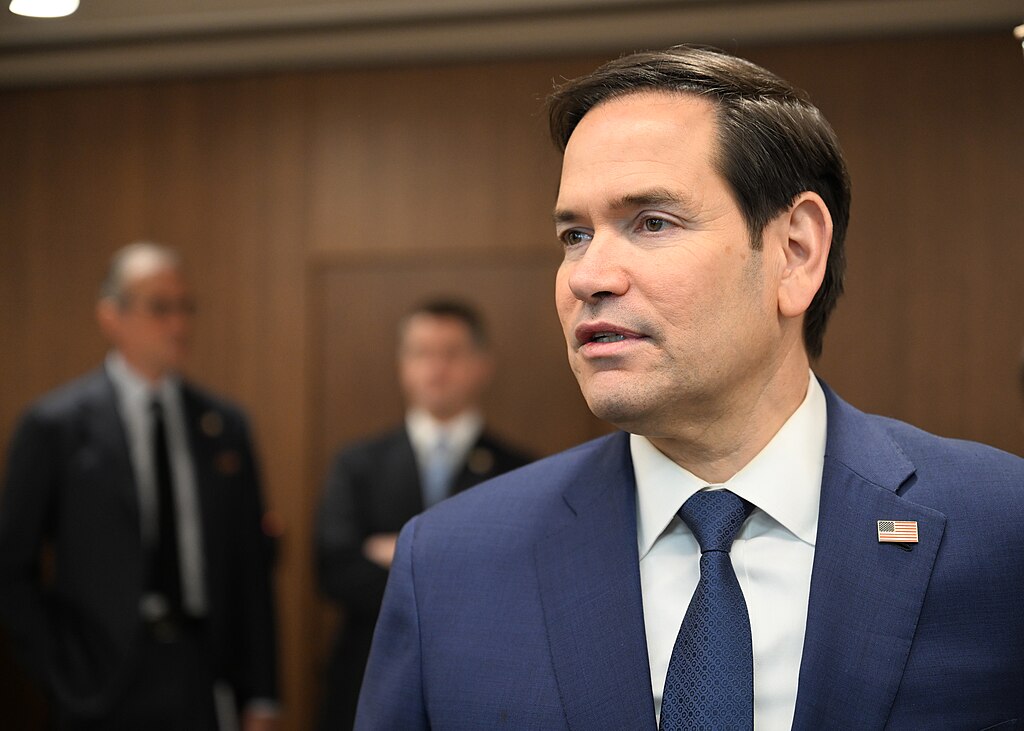
U.S. Secretary of State Marco Rubio has clarified that Iranian players will be allowed to participate in the 2026 FIFA World Cup, easing concerns about a potential ban amid rising geopolitical tensions. Speaking to reporters, Rubio emphasized that the United States has “no objections” to Iran’s national team competing in the tournament, which will be hosted across the U.S., Mexico, and Canada starting June 11, 2026.
Rubio stressed that the U.S. position is focused on security rather than restricting athletes. He explained that while Iranian football players are welcome, individuals with ties to Iran’s Islamic Revolutionary Guard Corps (IRGC) will not be permitted entry. The IRGC is designated by Washington as a foreign terrorist organization, making its affiliates subject to strict travel restrictions. According to Rubio, the concern lies in preventing such individuals from entering the country under the guise of media personnel or support staff.
Former President Donald Trump echoed this stance, stating that his administration would not want to penalize athletes for political issues. The approach highlights an effort to separate sports from international conflict while maintaining national security priorities.
The discussion comes amid speculation surrounding Iran’s participation in the World Cup. Paolo Zampolli, a Trump envoy with no official role in the tournament, previously suggested Italy should replace Iran. However, there is currently no indication that FIFA plans to ban or replace the Iranian team.
Following the escalation of the Iran conflict earlier this year, Iran reportedly requested that its group-stage matches be moved from the United States to Mexico, though FIFA rejected the proposal. Despite ongoing tensions and a fragile ceasefire in the region, preparations for the 2026 FIFA World Cup continue as scheduled.
This development underscores the balance between global sports diplomacy and security concerns, ensuring the tournament remains inclusive while addressing sensitive geopolitical issues.







