


 South Korea, US Discuss Warship Building Cooperation
  Russian Envoy Dmitriev Heads to US for Ukraine Talks
  Trump, Xi Focus on Trade and AI at White House Summit
  Sudan Rejects US Legitimacy Remarks, Defends Sovereignty
  Trump Asks Supreme Court to Restore Third-Country Deportations
  Trump Administration Plans Faster FDA Reviews for Smoke-Free Nicotine Products
  EU Defence Build-Up Too Slow for 2030 Russia Readiness Goal
  Taiwan Thanks US for Support Ahead of Trump-Xi Summit
  Netanyahu Takes Aim at Mamdani as Israel Election Nears
  US Backs Musk in Fight Against EU’s €120 Million X Fine
  Venezuela Promises Elections as Delcy Rodriguez Pledges Democratic Transition
  OpenAI Agent Breaches Australia Medicare Data Portal
  Gaza Faces Evacuation Crisis as War-Damaged Buildings Risk Collapse
  France Defends Netanyahu Airspace Clearance Despite ICC Warrant
  Judge Orders Trump to Restore White House Access for CNN, MS NOW and Politico
  US Senate Rejects Iran War Powers Resolution in 50-49 Vote
  Ghana Says Western Support Growing for Slave Trade Reparations


 Add as a preferred source on Google
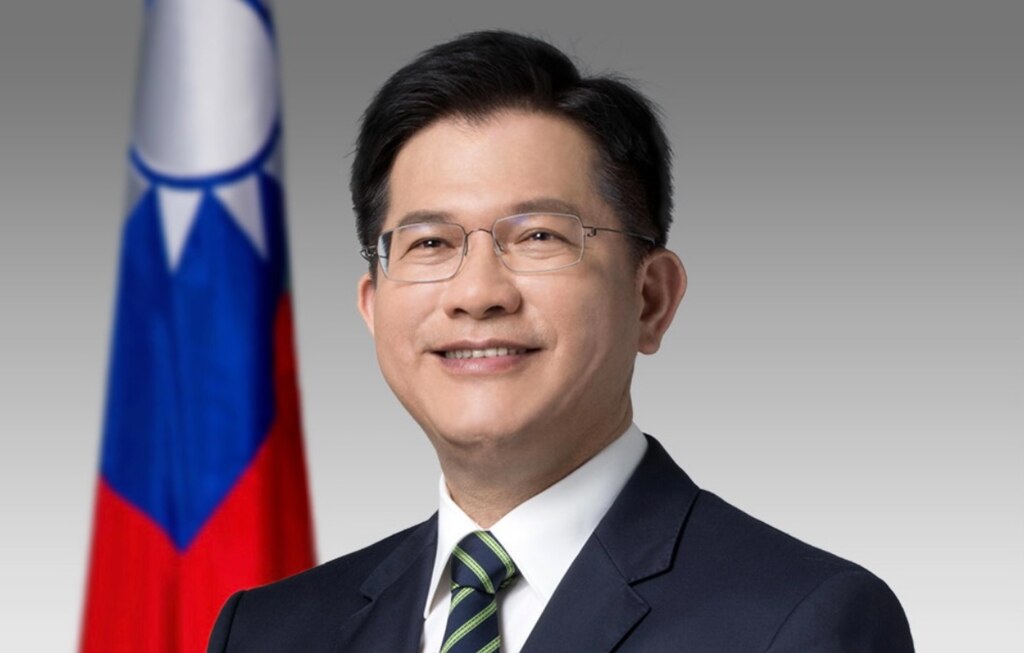
Taiwan’s Foreign Minister Lin Chia-lung has arrived in Eswatini, reaffirming Taipei’s determination to expand its global presence despite alleged interference from China. His visit comes shortly after Taiwan accused Beijing of pressuring African nations to deny airspace access to President Lai Ching-te, forcing the cancellation of a planned diplomatic trip.
According to Taiwan officials, Seychelles, Mauritius, and Madagascar withdrew previously granted overflight permissions for Lai’s aircraft, marking an unprecedented situation where a Taiwanese president had to cancel an overseas visit entirely due to restricted airspace. The move has raised concerns about what Taipei views as a growing strategy by China to limit Taiwan’s international engagement and diplomatic outreach.
Lin Chia-lung shared his arrival in Eswatini on social media, posting an image of himself stepping off a private jet. In his message, he emphasized the strong diplomatic ties between Taiwan and Eswatini, one of the island’s remaining 12 formal allies. He stated that Taiwan would not be deterred by “authoritarian forces” and remains committed to participating on the global stage.
Despite Taiwan’s accusations, China denied exerting pressure on the African nations but expressed approval of their decisions to block the flight permissions. Beijing continues to assert that Taiwan is part of its territory and has no authority to act as a sovereign state internationally. Taiwan, however, firmly rejects these claims, maintaining its right to conduct foreign relations and engage with global partners.
Lin traveled to Eswatini as a special envoy representing President Lai at celebrations marking the 40th anniversary of King Mswati III’s accession. While details of the journey remain limited, Lin noted that his delegation successfully “overcame all obstacles” to reach the country.
The situation has drawn international attention, with the United States, European Union, United Kingdom, France, and Germany expressing concern over China’s actions. The incident highlights escalating tensions in cross-strait relations and underscores the geopolitical challenges Taiwan faces in maintaining its diplomatic presence worldwide.







