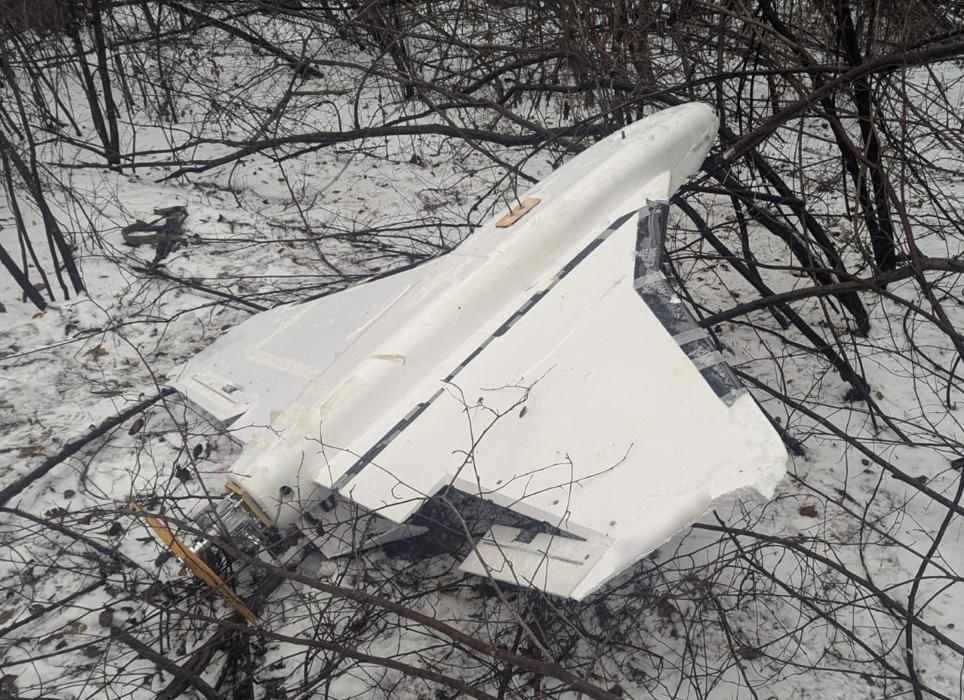
Romania has recovered fragments of two drones following an overnight Russian attack on neighboring Ukraine, raising fresh concerns about regional security and NATO airspace violations. According to Romania’s defense ministry, the drone debris was discovered in the southeastern city of Galati and in nearby Tulcea county. While no casualties were reported, the incident caused property damage, marking a significant escalation compared to previous cases where only debris had fallen without impact.
Authorities confirmed that an electricity pole and a household annex were damaged in Galati. As a precaution, Romania’s emergency response teams evacuated nearby residents due to fears that the drone fragments might contain unexploded ordnance. The area was secured until specialists safely handled the debris.
Romania, a NATO and European Union member, shares a 650-kilometer border with Ukraine and has repeatedly reported Russian drones crossing into its airspace. These incursions are linked to ongoing Russian strikes targeting Ukrainian port infrastructure along the Danube River. Saturday’s incident stands out as the first confirmed case where falling drone parts caused structural damage on Romanian territory.
The Romanian foreign ministry strongly protested the violation, summoning the Russian ambassador and condemning what it described as irresponsible actions that threaten regional stability. Officials emphasized that such incidents highlight Russia’s disregard for international law and pose risks not only to Romania but also to NATO’s collective security.
During the attack, two British Eurofighter Typhoon jets stationed in Romania under NATO’s air-policing mission were deployed to monitor the situation. Local residents in Tulcea were also alerted to seek shelter as a safety measure.
Amid rising tensions across Europe’s eastern flank, Romania is accelerating efforts to strengthen its air defense capabilities. Defense Minister Radu Miruta recently announced the integration of the U.S.-developed Merops AI-powered counter-drone system. Designed to detect and neutralize aerial threats, the system is expected to enhance security along the Danube corridor. Poland has already deployed similar technology as part of NATO’s broader defense strategy.
Romanian law permits the downing of drones during peacetime if they pose a threat to lives or infrastructure, though such action has not yet been taken.