


 Mexico-US Trade Talks Delayed to October as Tariff Negotiations Continue
  China’s ‘Lipstick King’ Says AI Won’t Replace Livestream Hosts
  Trump Asks Supreme Court to Restore Third-Country Deportations
  Trump Administration Plans Faster FDA Reviews for Smoke-Free Nicotine Products
  Netanyahu Defends Israel at UN as Delegates Stage Walkout
  Gold Drops Over 1% as Dollar, Treasury Yields Surge on Fed Rate Hike Bets
  Europe Warns Russia Is Escalating Hybrid Attacks Across NATO
  OpenAI Agent Breaches Australia Medicare Data Portal
  Judge Orders Trump to Restore White House Access for CNN, MS NOW and Politico
  US, China Extend Trade Truce to Jan. 10 Ahead of Trump-Xi Summit
  Abbas Reaffirms November 28 Palestinian Elections
  EU Defence Build-Up Too Slow for 2030 Russia Readiness Goal
  Taiwan Thanks US for Support Ahead of Trump-Xi Summit
  Trump, Xi Focus on Trade and AI at White House Summit
  European Stocks Fall as Bond Yields and Geopolitical Risks Weigh
  Gaza Faces Evacuation Crisis as War-Damaged Buildings Risk Collapse


 Add as a preferred source on Google
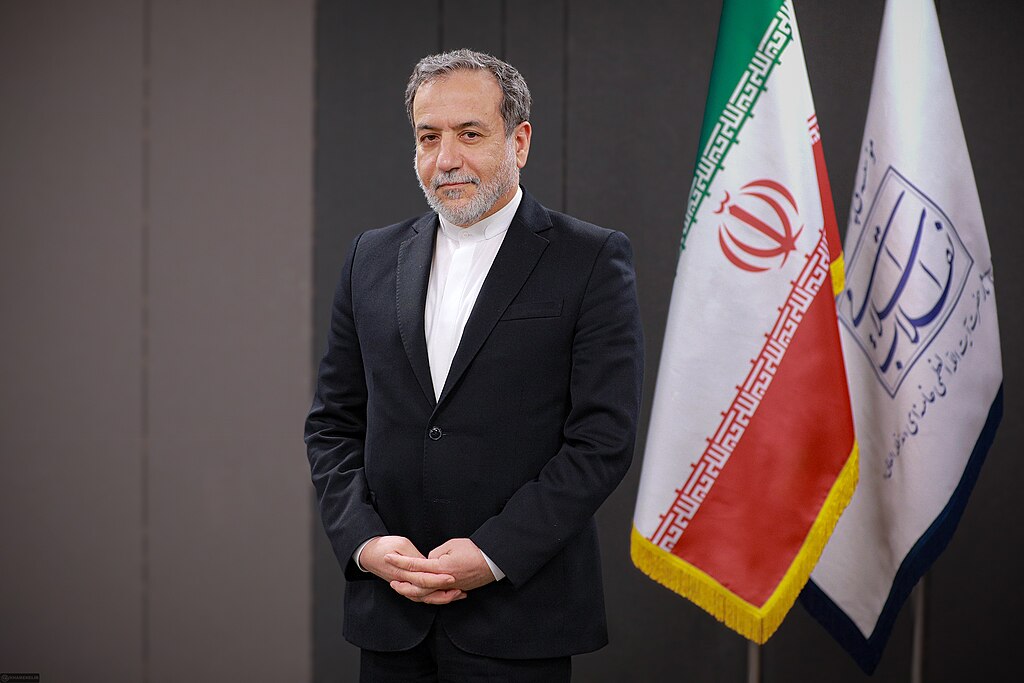
Pakistani officials have confirmed that Iran’s Foreign Minister Abbas Araghchi is expected to visit Islamabad by the weekend, according to a report by The Associated Press. The high-level diplomatic trip, which may begin as early as Friday, will include a small Iranian government delegation. This visit highlights Pakistan’s growing role as a mediator in ongoing geopolitical tensions involving Iran, the United States, and regional allies.
Pakistan has recently positioned itself as a key facilitator in ceasefire discussions between Washington and Tehran. These diplomatic efforts come amid a fragile geopolitical landscape, with uncertainty surrounding multiple ceasefire agreements in the Middle East. U.S. President Donald Trump announced a three-week extension of a ceasefire between Israel and Lebanon following talks with officials from both nations. However, the absence of Hezbollah representatives from these discussions has raised concerns about the long-term stability of the agreement.
Earlier developments included an indefinite ceasefire announcement between the U.S. and Iran. Despite this, the U.S. has maintained a blockade on Iranian ports, escalating tensions further. In response, Iran has demonstrated its control over the Strait of Hormuz, a critical global oil transit route responsible for nearly 20% of the world’s oil supply. Reports indicate that Iranian forces have attacked vessels in the region, while U.S. forces have seized Iranian-flagged ships and issued strict military warnings against further escalation.
The ongoing conflict has had a significant impact on global oil markets. Concerns over supply disruptions in the Strait of Hormuz have driven oil prices above $100 per barrel, intensifying fears of rising inflation and slower economic growth worldwide. Brent crude, a key global benchmark, recently traded at $104.38 per barrel, reflecting continued volatility despite slight declines.
As diplomatic efforts continue, global markets remain highly sensitive to developments in Iran-U.S. relations, Middle East conflicts, and energy supply stability.







