


 Synthetic data could ease people’s concerns about privacy breaches. But who gets to create it?
  Sara Duterte Posts Bail Over Grave Threats Case
  Paramount-Warner Bros $110 Billion Deal Draws Antitrust Backlash
  Zelenskiy Meets CIA Chief John Ratcliffe at Ireland’s Shannon Airport
  Canada Unveils Bill to Fast-Track Major Resource Projects
  Lula Meets Mamdani in New York as Elections Approach
  Saudi Arabia Shuts East-West Oil Pipeline After Drone Attack
  North Korea Fires Two Ballistic Missiles From Wonsan
  SEC Seeks ISS Client Voting Records in Proxy Adviser Probe
  Macron, Trump Discuss Ukraine-Russia Energy Strike Moratorium
  White House Bars CNN, MS NOW and Politico Reporters
  Honduras Court Drops Charges Against Ex-President Juan Orlando Hernandez
  FDA Names Permanent Drug and Biologics Center Chiefs
  Mahmoud Khalil Sues Columbia Over Alleged Pro-Palestinian Harassment
  US Resumes Immigrant Visa Processing for Hungary, Poland
  AfD Wins German State Election as Merz’s CDU Hits Historic Low
  Venezuela Nears Deal to Move $4 Billion in Gold to New York Fed


 Add as a preferred source on Google
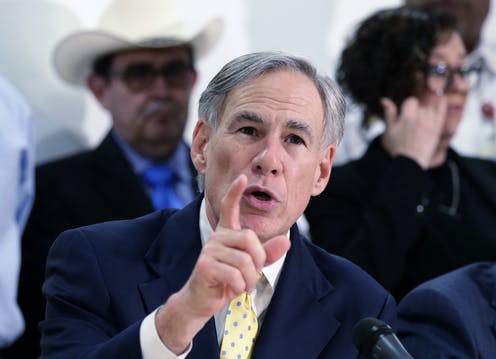
A U.S. federal appeals court has ruled that Texas can move forward with enforcing its controversial immigration law, SB4, marking a significant development in the ongoing legal battle over state-level immigration enforcement. The New Orleans-based 5th U.S. Circuit Court of Appeals, in a 10-7 decision, overturned a previous 2024 injunction that had blocked the law from taking effect.
SB4, signed into law by Texas Governor Greg Abbott in December 2023, gives state authorities the power to arrest and prosecute individuals suspected of illegally crossing the U.S.-Mexico border. The law also allows state judges to order migrants to leave the country and imposes prison sentences of up to 20 years for those who refuse to comply. Supporters argue that the law strengthens border security, while critics say it conflicts with federal immigration authority.
The Biden administration had initially challenged the law in court, arguing that immigration enforcement falls under federal jurisdiction. However, the case was later dropped after President Donald Trump returned to office, leaving immigrant advocacy groups such as Las Americas Immigrant Advocacy Center, American Gateways, and the city of El Paso to continue the legal fight.
The court’s ruling centered on whether the plaintiffs had legal standing to challenge the law. U.S. Circuit Judge Jerry Smith, writing for the majority, stated that advocacy groups could not establish sufficient injury simply by expanding their services to assist affected migrants. He emphasized that courts must be cautious when plaintiffs attempt to frame broader concerns as direct harm.
Texas Attorney General Ken Paxton praised the decision, calling it a victory for state sovereignty and public safety. Meanwhile, dissenting judges argued that the ruling contradicts established Supreme Court precedent, asserting that states cannot create their own immigration systems independent of federal law.
This decision could have major implications for immigration policy and legal authority in the United States, as debates continue over the balance between state and federal powers in border enforcement.







