


 Big AI wants to slow down AI research. Is it a safety pause or a strategic retreat?
  Yen in Focus as BOJ, Fed Rate Hikes Reshape Currency Markets
  Vietnam, US Trade Deal Could Be Signed Soon, To Lam Says
  Wall Street Mixed as Treasury Yields Rise After Fed Hike
  Canada Eyes India Trade Deal by Year-End
  Unsustainable – or manageable? We don’t yet know how data centres will impact Australia’s environment
  China’s robots can run faster than Usain Bolt – now they are being prepared for war
  Europe can’t achieve space sovereignty alone. Here’s why
  Synthetic data could ease people’s concerns about privacy breaches. But who gets to create it?
  AI is supercharging money scams – here’s what you can do to protect yourself
  Oil Prices Tumble on U.S.-Iran Diplomacy Hopes, Supply Relief
  Yen Weakens as Dollar Gains on Widening US-Japan Rate Gap


 Add as a preferred source on Google
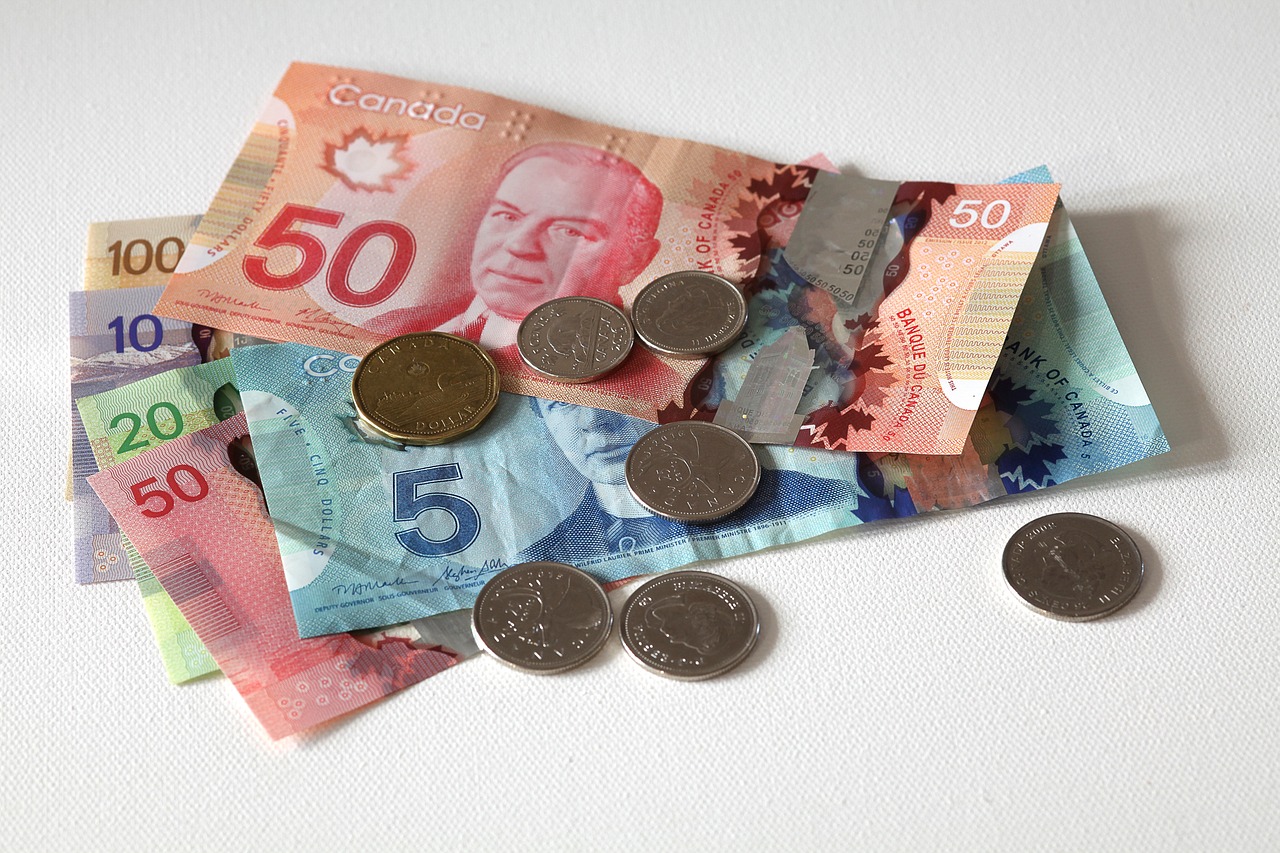
The Canadian dollar (CAD) has demonstrated notable resilience among G10 currencies in recent weeks, even as domestic economic data shows signs of softness. According to Goldman Sachs, this strength comes despite weaker-than-expected inflation and employment figures, highlighting the currency’s unique sensitivity to global market forces—particularly oil prices and US dollar movements.
Recent data revealed that Canada’s March inflation rate fell below expectations, even amid ongoing energy price shocks. Meanwhile, the latest employment report pointed to stabilization in the labor market, though it showed little improvement compared to the previous year. Based on these trends, Goldman Sachs economists anticipate that the Bank of Canada will likely hold interest rates steady at its April policy meeting.
While short-term performance remains relatively strong, Goldman Sachs analysts are less optimistic about the Canadian dollar’s medium-term outlook. One key concern is the uncertainty surrounding the United States-Mexico-Canada Agreement (USMCA), which could weigh on investor sentiment ahead of the July 1 deadline. This geopolitical and trade-related risk may limit CAD’s upside potential in the coming months.
Despite these concerns, the Canadian dollar continues to benefit from its close relationship with oil prices. In Goldman Sachs’ GSTOT framework, CAD has a high sensitivity to energy market fluctuations, meaning that sustained strength in oil prices can support the currency. Additionally, CAD maintains a positive correlation with the US dollar, further influencing its performance in global foreign exchange markets.
However, this relationship also presents downside risks. If global risk sentiment improves significantly or commodity markets begin to stabilize, the Canadian dollar could underperform relative to other currencies. Ultimately, while domestic economic conditions play a role, external factors such as energy prices and US dollar trends remain the primary drivers of CAD’s near-term trajectory.







