


 Mexico-US Trade Talks Delayed to October as Tariff Negotiations Continue
  NATO Boosts Intelligence Sharing Amid Russia Hybrid Threats
  US Backs Musk in Fight Against EU’s €120 Million X Fine
  Europe Warns Russia Is Escalating Hybrid Attacks Across NATO
  EU Defence Build-Up Too Slow for 2030 Russia Readiness Goal
  Trump Administration Plans Faster FDA Reviews for Smoke-Free Nicotine Products
  Netanyahu Takes Aim at Mamdani as Israel Election Nears
  Taiwan Thanks US for Support Ahead of Trump-Xi Summit
  Russian Missile and Drone Attack on Kyiv Kills Two, Damages Maternity Hospital
  Yemen Violence Displaces 130,000 as Civilian Toll Rises
  Kremlin Says No Decision Yet on Putin-Trump December Summit
  Netanyahu’s Brief US Trip Highlights Strains With Trump
  Ghana Says Western Support Growing for Slave Trade Reparations
  Gaza Faces Evacuation Crisis as War-Damaged Buildings Risk Collapse
  Trump Asks Supreme Court to Restore Third-Country Deportations
  Netanyahu Defends Israel at UN as Delegates Stage Walkout
  US Invites Putin to Miami G20, Opening Door to Trump Summit


 Add as a preferred source on Google
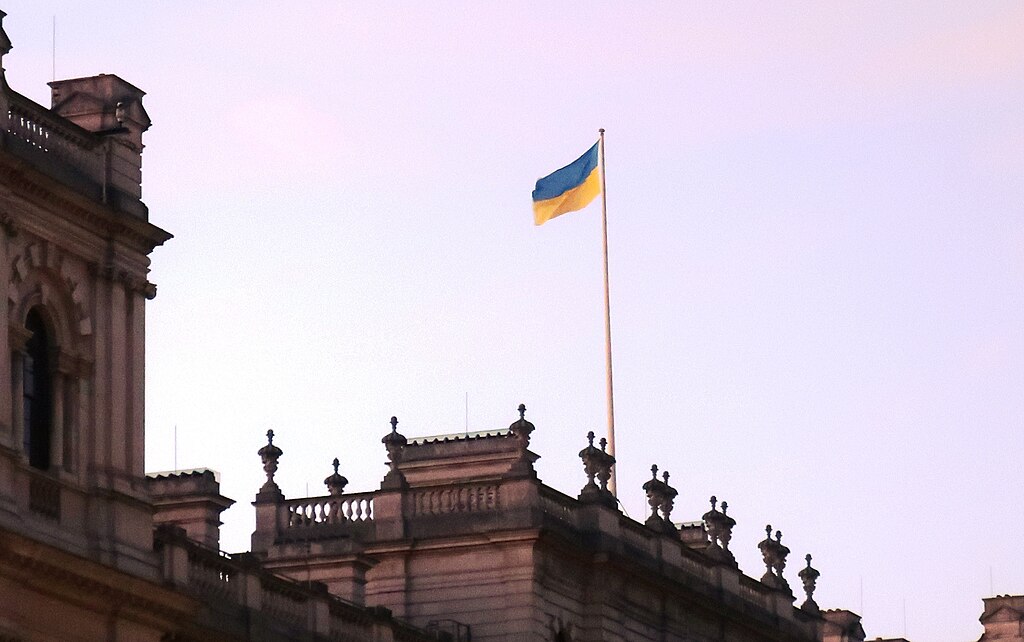
Ukraine is commemorating the 40th anniversary of the Chornobyl nuclear disaster under the shadow of continued conflict with Russia, raising fresh concerns about nuclear safety in the region. The 1986 explosion at reactor four of the Chornobyl nuclear power plant remains the worst nuclear disaster in history, and today’s war has intensified fears of another potential catastrophe.
Ukrainian officials report that Russian missiles and drones have repeatedly flown near the Chornobyl site while targeting cities across the country. In 2025, a drone strike damaged part of the plant’s protective structure, a massive steel and concrete shield installed in 2016 to contain radioactive material. Although no radiation leaks were detected, experts warn that repairs—estimated at over 500 million euros—are urgently needed to maintain the structure’s integrity.
The Ukrainian government has linked the original disaster to Soviet-era mismanagement, citing unsafe reactor testing and attempts to conceal the scale of the incident. Decades later, the consequences remain severe. Millions were exposed to harmful radiation, hundreds of thousands were displaced, and large areas of land across Europe were contaminated. Long-term health effects, including cancer-related deaths, are still debated among scientists.
Recent data from Ukrainian authorities indicates that at least 92 Russian drones have passed within five kilometers of the Chornobyl containment zone since mid-2024. This ongoing military activity near a sensitive nuclear site has alarmed both local officials and international observers.
Despite the risks, the exclusion zone surrounding the plant has become a place of unusual calm. Located about 100 kilometers north of Kyiv, the area is largely deserted, with wildlife such as moose and wild horses roaming freely. Around 2,250 workers continue to manage the plant’s decommissioning, which began after its final reactor was shut down in 2000.
As Ukraine marks this somber anniversary, the Chornobyl disaster serves as a powerful reminder of the long-lasting dangers of nuclear accidents—now compounded by the realities of modern warfare.







