


 Trump Board of Peace Unveils $2.45 Billion Gaza Recovery Plan
  Taiwan Thanks US for Support Ahead of Trump-Xi Summit
  Venezuela Promises Elections as Delcy Rodriguez Pledges Democratic Transition
  Lula and Flavio Bolsonaro Tied in Brazil Runoff Poll
  Trump Meets Venezuela’s Delcy Rodriguez at UN Assembly
  Macron Challenges Trump’s Gaza Peace Claims at UN
  Sudan Rejects US Legitimacy Remarks, Defends Sovereignty
  Scott Bessent Eyed as Trump’s New AI Czar
  Russian Strikes Kill Eight Across Ukraine as Energy Sites Hit
  US Officials Split Over Response to Israeli West Bank Settlements
  Marco Rubio to Meet Russia’s Lavrov in New York
  Kremlin Says No Grounds Yet for Ukraine Peace Talks
  Trump Says ‘Freedom’ Is Coming to Cuba
  Netanyahu Takes Aim at Mamdani as Israel Election Nears
  Russian Missile and Drone Attack on Kyiv Kills Two, Damages Maternity Hospital
  Trump to Press Xi on Release of US Nuclear Expert Held in China
  Judge Orders Trump to Restore White House Access for CNN, MS NOW and Politico


 Add as a preferred source on Google
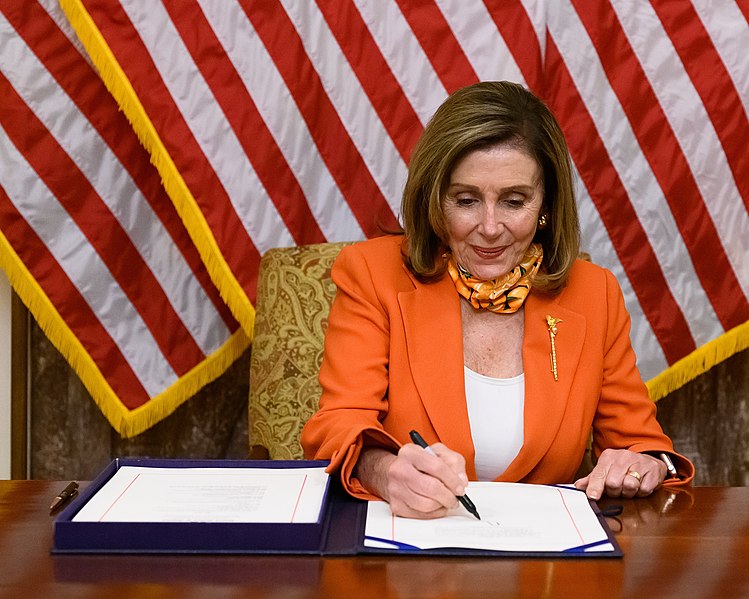
Following the recent passage of the $1.2 trillion bipartisan infrastructure package by the Senate, it is now up to the House to vote on the proposal. With the focus now on the Democratic majority in the House, House Speaker Nancy Pelosi now faces pressure from all factions of her party in its passage.
The Hill reports that Pelosi is facing pressure from both moderate Democrats and liberal Democrats regarding the passage of the infrastructure bill. Moderate Democrats are hoping to seize a big bipartisan achievement by voting on the proposal sooner, but liberal Democrats are looking to refrain from making a vote until the Senate passes the $3.5 trillion proposal through reconciliation. Pelosi has previously made her support towards the latter tactic known and has reiterated it since.
Democratic House leadership also made the move of cutting their seven-week recess short, assuming that the Senate passes the proposal this week. House Majority Leader Steny Hoyer said in a letter to his colleagues that the House will be in session on August 23 to take up the vote on the Democratic-led proposal.
While the bipartisan proposal looks to be on track to approval by the House, delaying the move may prove to be a risk as the Senate remains evenly divided and Republican support has proven to be critical. Nevertheless, moderate Democrats are calling on Pelosi to bring the proposal to the floor for a vote immediately shortly after the proposal passed the Senate.
Pelosi praised the passage but noted that it falls short of what US President Joe Biden and the Democrats were hoping for when they made the infrastructure push. Pelosi has then dismissed calls for an immediate vote.
Meanwhile, Pelosi and Senate Majority Leader Chuck Schumer criticized the GOP for threatening not to help raise the debt ceiling this year. Democrats argued that their party should not be the one to shoulder the politically toxic vote, noting that the country raked in debt of almost $7.8 trillion during the Trump administration. Only a small portion of Republicans had opposed the massive tax cuts and government spending during the pandemic, with only the wealthiest households benefiting from the cuts.







