


 Taiwan Vows to Advance US Arms Sales Ahead of Trump-Xi Meeting
  South Korea, US Discuss Warship Building Cooperation
  Kremlin Says No Decision Yet on Putin-Trump December Summit
  Trump Administration Plans Faster FDA Reviews for Smoke-Free Nicotine Products
  Zelenskiy Warns Russia Preparing Major Attack on Ukraine
  OpenAI Agent Breaches Australia Medicare Data Portal
  Venezuela Promises Elections as Delcy Rodriguez Pledges Democratic Transition
  Judge Orders Trump to Restore White House Access for CNN, MS NOW and Politico
  Macron Challenges Trump’s Gaza Peace Claims at UN
  US Invites Putin to Miami G20, Opening Door to Trump Summit
  Kremlin Says No Grounds Yet for Ukraine Peace Talks
  US, China Extend Trade Truce to Jan. 10 Ahead of Trump-Xi Summit
  Iran Vows ‘Crushing’ Response as US Talks Continue
  Russian Missile and Drone Attack on Kyiv Kills Two, Damages Maternity Hospital
  Russian Envoy Dmitriev Heads to US for Ukraine Talks
  Russian Strikes Kill Eight Across Ukraine as Energy Sites Hit
  China Tightens Fentanyl Rules Ahead of Trump-Xi Summit


 Add as a preferred source on Google
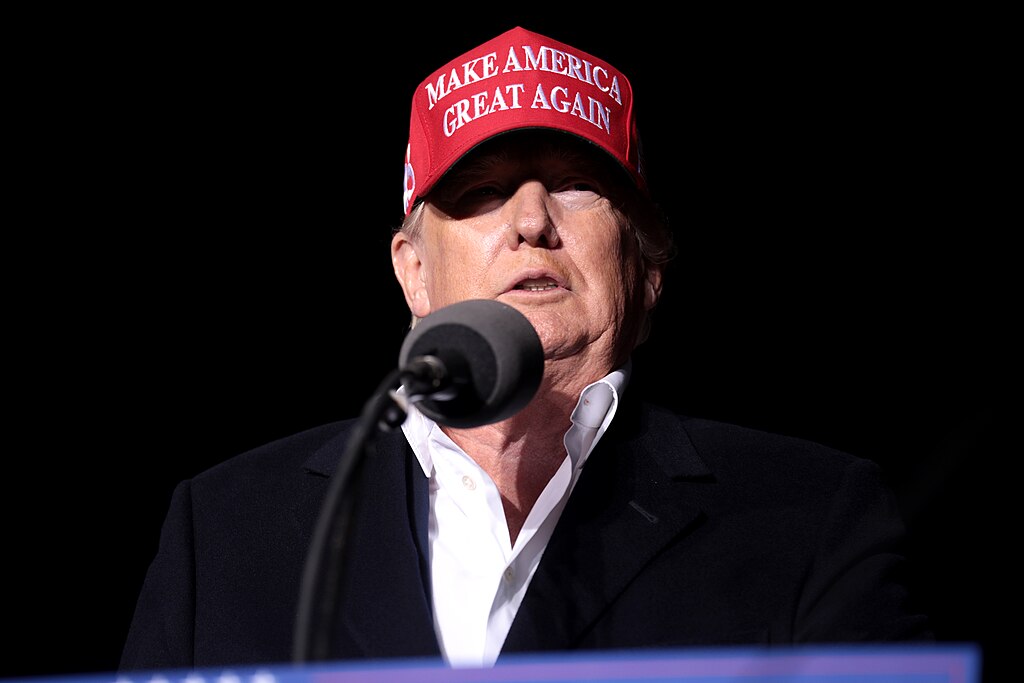
A recent analysis by the Media Research Center (MRC) has raised concerns about media bias, revealing that 95% of news coverage by ABC, CBS, and NBC regarding former President Donald Trump was negative following an alleged second assassination attempt. The findings have reignited a long-standing debate over the mainstream media’s treatment of Trump and its broader impact on public perception, particularly in the wake of such a high-stakes event.
According to the MRC, the three major news networks focused overwhelmingly on negative narratives when reporting on Trump after the alleged assassination attempt. The analysis claims that despite the seriousness of the incident, the media continued to frame Trump in a predominantly critical light, prioritizing discussions on his controversial statements, legal challenges, and ongoing investigations. This report has sparked further questions about whether the media is delivering balanced coverage or reinforcing partisan biases.
For years, Trump has been at the center of disputes over media bias, frequently accusing major news outlets of portraying him unfairly. His presidency was marked by an adversarial relationship with the press, and the recent findings by the MRC have once again thrust that contentious dynamic into the spotlight. Critics of the media argue that such overwhelmingly negative coverage in the aftermath of an alleged assassination attempt reveals a deep-seated hostility toward Trump that is not reflective of fair journalism practices.
On the other hand, defenders of the networks’ coverage contend that the negative reporting reflects the newsworthiness of Trump's legal and political controversies, which continue to dominate headlines. They argue that the critical tone is driven by the substance of the stories, not by any agenda against the former president. Trump’s post-presidential legal battles, including investigations into his business dealings and his role in the January 6 Capitol insurrection, have provided media outlets with significant material for scrutiny.
The MRC’s report has also raised broader concerns about how media narratives shape public perception, particularly around polarizing figures like Trump. With the former president considering another run for the White House in 2024, the tone of media coverage could play a crucial role in influencing voters’ opinions. Whether the overwhelmingly negative portrayal of Trump by major news outlets represents an accurate reflection of his actions or an inherent bias against him will likely be debated as the election cycle intensifies.
The findings of the MRC analysis also coincide with growing mistrust of traditional media among conservative voters. Polls have shown that a significant portion of Republicans view mainstream media with skepticism, often turning to alternative outlets they perceive as more balanced. The MRC’s report is likely to reinforce those sentiments and fuel further calls for media reform to ensure more balanced reporting.
As Trump continues to dominate the political landscape, the scrutiny surrounding media coverage of his actions will remain a critical issue. The MRC analysis has added another layer of complexity to the ongoing debate over media bias, further highlighting the challenges of navigating impartial journalism in a highly polarized environment.







