


 UK, Mauritius Seek Diego Garcia Base Deal
  Trump Administration Prepares Sanctions Against Entire ICC
  US, Denmark and Greenland Set to Sign Arctic Security Deal
  Marco Rubio to Meet Russia’s Lavrov in New York
  Trump Meets Venezuela’s Delcy Rodriguez at UN Assembly
  Carney Condemns Belleville Synagogue Shooting That Wounded Police Officer
  Vietnam, US Trade Deal Could Be Signed Soon, To Lam Says
  Zelenskiy Warns Russia Preparing Major Attack on Ukraine
  Scott Bessent Eyed as Trump’s New AI Czar
  Trump Says U.S.-Iran Peace Deal Near After UN Talks
  Russian Strikes Kill Eight Across Ukraine as Energy Sites Hit
  US Plans Two New Military Bases in Greenland Under Arctic Deal
  Paramount-Warner Bros $110 Billion Deal Draws Antitrust Backlash
  Kremlin Says No Grounds Yet for Ukraine Peace Talks
  Zelenskiy Meets CIA Chief John Ratcliffe at Ireland’s Shannon Airport
  Trump Scales Back Endangered Species Act Protections
  Trump Board of Peace Unveils $2.45 Billion Gaza Recovery Plan


 Add as a preferred source on Google
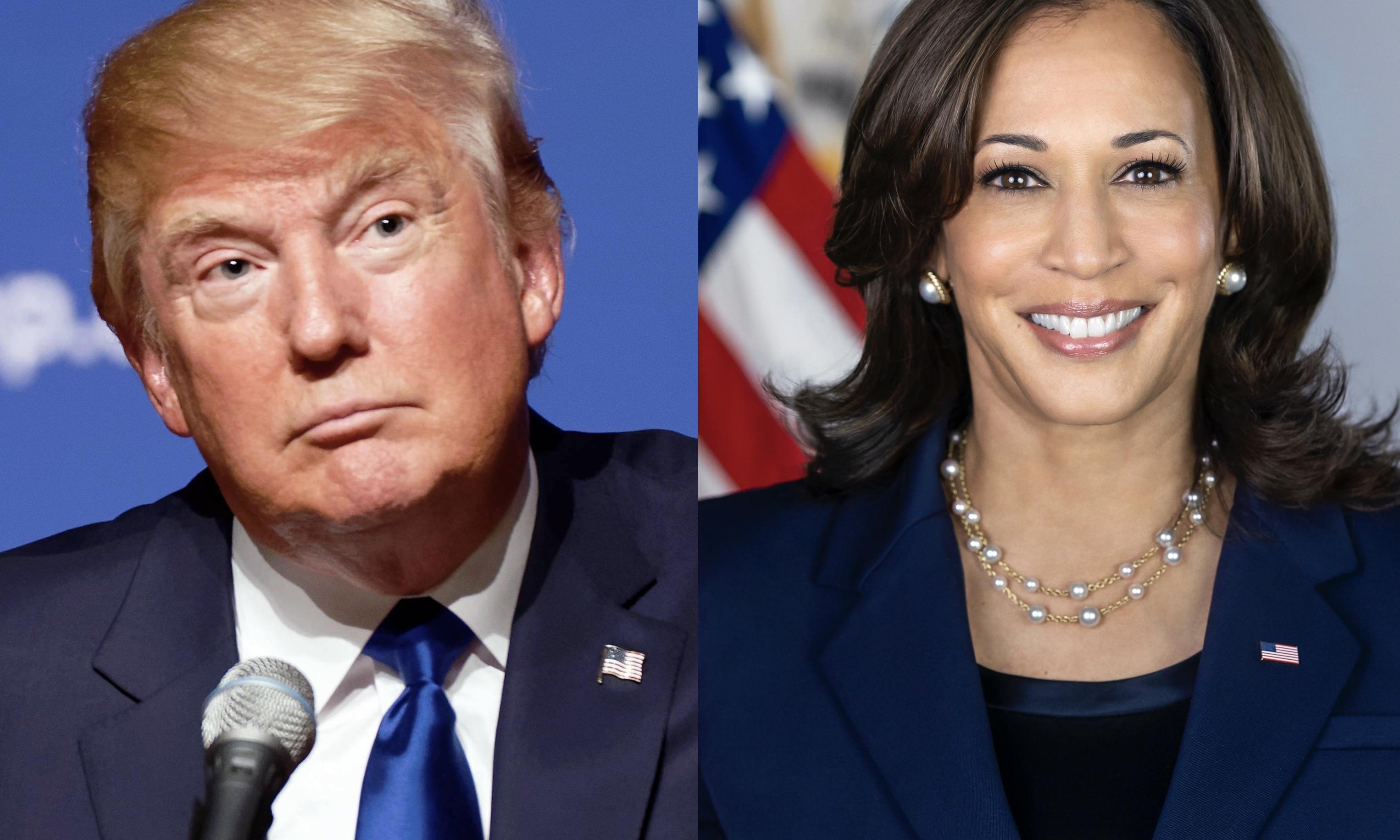
The Arizona Supreme Court has made a landmark ruling that permits nearly 98,000 individuals whose citizenship documents had not been confirmed to vote in all races, including state and federal elections. The decision has set off a political firestorm, as debates over election integrity and voting rights intensify ahead of key upcoming elections.
The court's decision comes after a prolonged legal battle centered on the state's voter registration requirements, which previously mandated proof of citizenship for participation in state and federal elections. The ruling effectively expands voting access for those whose citizenship documentation has not been verified but are registered voters under Arizona’s bifurcated voter registration system. This system has long separated voters who register with federal forms, which do not require proof of citizenship, from those who register using state forms, which do.
Critics of the ruling argue that allowing individuals without confirmed citizenship status to vote in all races undermines the integrity of the state's electoral process. Opponents, primarily from conservative circles, fear that the decision could open the door for noncitizens to cast ballots, despite the lack of concrete evidence suggesting widespread voter fraud in Arizona. They contend that the ruling may weaken safeguards that protect against illegal voting, potentially impacting the outcomes of tightly contested races.
On the other side of the debate, voting rights advocates view the decision as a significant victory for expanding voter access. They argue that the strict citizenship verification requirements previously in place disproportionately affected minority and low-income voters, many of whom faced significant barriers in obtaining the necessary documentation. For them, the court's ruling is a step toward making elections more inclusive and preventing disenfranchisement of eligible voters who may have faced bureaucratic obstacles.
The ruling highlights a broader national debate over voting rights, particularly in swing states like Arizona, where voter registration laws have become a flashpoint in recent years. With Arizona playing a pivotal role in national elections, changes to its voter eligibility requirements could have far-reaching consequences. Both Democrats and Republicans are likely to use the court's decision as part of their respective campaigns, with Republicans emphasizing election security and Democrats championing expanded access to the ballot.
Arizona’s Secretary of State has acknowledged the complexity of implementing the ruling but stated that the state’s elections infrastructure is equipped to handle the expanded voter pool. The decision could set a legal precedent for other states grappling with similar challenges, particularly those that have enacted voter ID laws or have strict voter registration requirements.
The Arizona Supreme Court’s ruling is expected to face continued scrutiny, particularly as more voters without confirmed citizenship documentation are permitted to participate in upcoming elections. While the court’s decision is final, the political implications are far from settled, with both sides preparing for a contentious election season.







