


 US, Japan and South Korea Back Taiwan Ahead of Trump-Xi Summit
  Iran Vows ‘Crushing’ Response as US Talks Continue
  US, Denmark and Greenland Set to Sign Arctic Security Deal
  Macron, Trump Discuss Ukraine-Russia Energy Strike Moratorium
  Carney Condemns Belleville Synagogue Shooting That Wounded Police Officer
  Zelenskiy Warns Russia Preparing Major Attack on Ukraine
  Trump Administration Prepares Sanctions Against Entire ICC
  Trump Says U.S.-Iran Peace Deal Near After UN Talks
  Trump Says ‘Freedom’ Is Coming to Cuba
  Lula Meets Mamdani in New York as Elections Approach
  Paramount-Warner Bros $110 Billion Deal Draws Antitrust Backlash
  Scott Bessent Eyed as Trump’s New AI Czar
  Zelenskiy Meets CIA Chief John Ratcliffe at Ireland’s Shannon Airport
  Burnham Eyes UK Leadership Role in AI Ahead of Trump Meeting
  Trump Meets Venezuela’s Delcy Rodriguez at UN Assembly
  Macron Challenges Trump’s Gaza Peace Claims at UN
  CNN, MS NOW and Politico Sue Trump Over White House Media Ban


 Add as a preferred source on Google
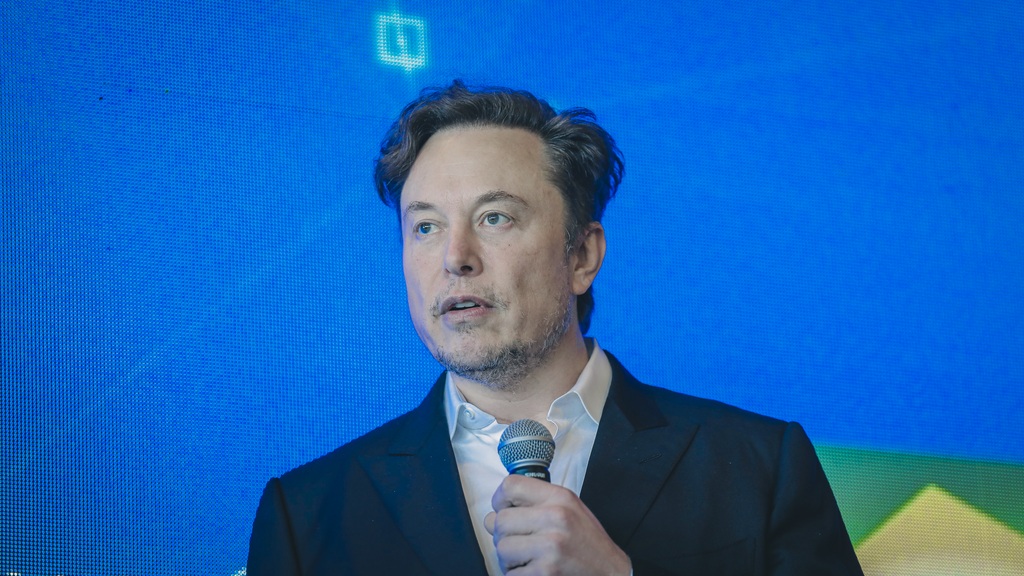
Elon Musk, the billionaire entrepreneur behind Tesla and SpaceX, made waves in political circles after reportedly donating $289,100 to House Republicans, according to a recent report from the Federal Election Commission (FEC) provided by the National Republican Congressional Committee (NRCC). The substantial contribution has drawn attention to Musk's growing political involvement and sparked controversy over the influence of wealthy individuals in American politics.
The sizable donation to House Republicans suggests that Musk, whose public statements have often blurred the lines between technology and politics, may be aligning more closely with conservative lawmakers. This move comes amid Musk’s increasing political activity, particularly through his outspoken opinions on social media platforms like X (formerly Twitter), which he now owns. His advocacy for free speech and criticisms of government regulations have placed him in the spotlight as a significant figure in political discourse.
Musk’s contribution comes at a critical time for House Republicans, who are gearing up for contentious battles in Congress. With control of the House currently in Republican hands, donations like Musk’s are essential for maintaining influence and driving legislative agendas. Musk’s financial backing is seen as a clear signal of support for policies that may align with his interests, including deregulation, tax policies favorable to large corporations, and reducing government interference in technology and innovation sectors.
The donation has also reignited debates about the role of billionaire donors in shaping U.S. political outcomes. Critics argue that large contributions from individuals like Musk can skew the political landscape, giving undue influence to the wealthy and potentially drowning out the voices of ordinary voters. Campaign finance reform advocates have long pushed for stricter regulations to curb the influence of money in politics, and Musk’s recent donation is likely to fuel further calls for reform.
Supporters of Musk’s actions argue that as a private citizen, he is entitled to contribute to political causes and candidates that reflect his views. They emphasize that his financial success and innovative leadership in industries like electric vehicles and space exploration have had a positive impact on the country, making his involvement in political discourse both relevant and justified. For many, Musk represents the kind of entrepreneurial vision that they believe should be reflected in government policy.
While Musk’s donation to House Republicans has garnered significant attention, it is not the first time he has engaged with the political system. Over the years, Musk has contributed to both Democratic and Republican candidates, often advocating for policies that benefit technological advancement, renewable energy, and space exploration. His willingness to cross political lines in the past demonstrates a pragmatic approach to political donations, focusing on specific issues rather than party loyalty.
As Musk continues to increase his presence in the political arena, the implications of his contributions and his potential influence on policy will be closely watched. Whether his recent donation will impact future legislation remains to be seen, but it has certainly ignited fresh discussions about the intersection of wealth, technology, and politics.







