


 China Tightens Fentanyl Rules Ahead of Trump-Xi Summit
  Judge Orders Trump to Restore White House Access for CNN, MS NOW and Politico
  Russian Strikes Kill Eight Across Ukraine as Energy Sites Hit
  Ghana Says Western Support Growing for Slave Trade Reparations
  Russian Missile and Drone Attack on Kyiv Kills Two, Damages Maternity Hospital
  US Officials Split Over Response to Israeli West Bank Settlements
  Taiwan Thanks US for Support Ahead of Trump-Xi Summit
  Zelenskiy Warns Russia Preparing Major Attack on Ukraine
  Iran Vows ‘Crushing’ Response as US Talks Continue
  Netanyahu Takes Aim at Mamdani as Israel Election Nears
  US Invites Putin to Miami G20, Opening Door to Trump Summit
  Taiwan Vows to Advance US Arms Sales Ahead of Trump-Xi Meeting
  Trump Meets Venezuela’s Delcy Rodriguez at UN Assembly
  Russian Envoy Dmitriev Heads to US for Ukraine Talks
  US, China Extend Trade Truce to Jan. 10 Ahead of Trump-Xi Summit
  Trump to Press Xi on Release of US Nuclear Expert Held in China
  Trump Says ‘Freedom’ Is Coming to Cuba


 Add as a preferred source on Google
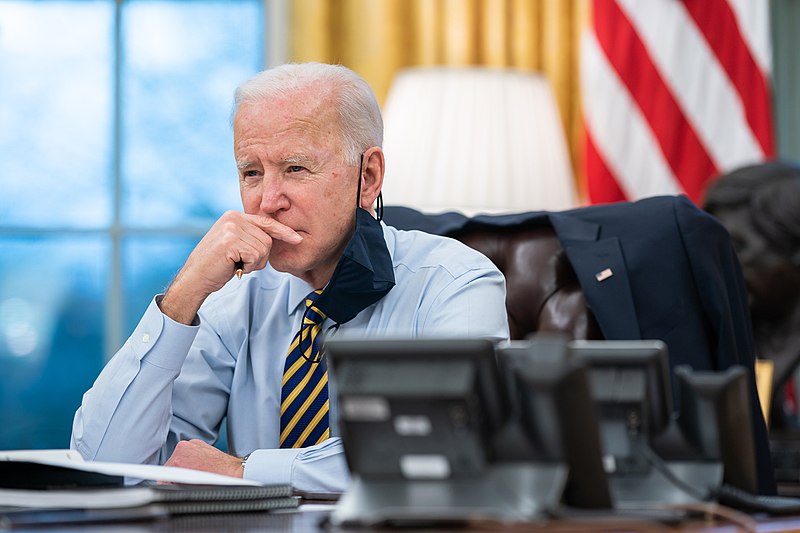
This week marks the 100th anniversary of the horrific Tulsa race massacre, one of the worst incidents of racial violence that has affected the US. In his remarks commemorating the day, Biden announced new measures that his administration plans to put forward in narrowing racial wealth disparities.
Biden visited Tulsa, Oklahoma to honor the 100th anniversary of the horrific event that took place in 1921. White supremacists attacked the Greenwood neighborhood in Tulsa, one of the wealthiest Black communities at the time. Up to 300 Black Americans were killed and 1000 homes and businesses were set on fire and looted. Since the massacre, Black Americans still face inequality and discrimination across the country’s economy, housing, banking, and employment.
During his campaign, Biden pledged to address racial wealth disparities and overall systemic racism in the country. In his speech, Biden detailed the steps his administration plans to take to address the issues. This includes creating an interagency initiative to address inequity in home appraisals, which would be led by HUD Secretary Marcia Fudge.
Biden also reversed two Fair Housing Act rules made during the Trump administration that would weaken protections that could be afforded by the law. Biden also announced the goal of increasing the share of federal contracts to small, disadvantaged businesses by 50 percent in a span of five years.
However, Biden did not mention concrete measures on two core issues on how to advance racial equity in the US economy. This includes student debt forgiveness and reparations for slavery. To note, Biden pledged during his candidacy to use federal powers to cancel thousands of dollars in student debt but his administration has yet to detail a plan or timeline in doing so.
In other news, the Biden administration has suspended oil and gas leases in the Arctic National Wildlife Refuge in Alaska, in another reversal of a Trump administration policy that allowed drilling. The order, imposed by Interior Secretary Deb Haaland, is part of a temporary moratorium on oil and gas lease activities that Biden imposed shortly after taking office in January.
The January 20 executive order suggested a new environmental review to address possible legal flaws in the drilling program approved under the Trump administration in 2017 law passed by Congress.







