


 Canada Unveils Bill to Fast-Track Major Resource Projects
  Trump to Press Xi on Release of US Nuclear Expert Held in China
  Macron Challenges Trump’s Gaza Peace Claims at UN
  Gaza Faces Evacuation Crisis as War-Damaged Buildings Risk Collapse
  Trump Administration Plans Faster FDA Reviews for Smoke-Free Nicotine Products
  Kremlin Says No Grounds Yet for Ukraine Peace Talks
  Burnham Eyes UK Leadership Role in AI Ahead of Trump Meeting
  Ghana Says Western Support Growing for Slave Trade Reparations
  Europe Warns Russia Is Escalating Hybrid Attacks Across NATO
  Scott Bessent Eyed as Trump’s New AI Czar
  US Officials Split Over Response to Israeli West Bank Settlements
  Trump Meets Venezuela’s Delcy Rodriguez at UN Assembly
  Russian Envoy Dmitriev Heads to US for Ukraine Talks
  Trump Board of Peace Unveils $2.45 Billion Gaza Recovery Plan
  Vietnam, US Trade Deal Could Be Signed Soon, To Lam Says
  Trump Says U.S.-Iran Peace Deal Near After UN Talks
  Russian Strikes Kill Eight Across Ukraine as Energy Sites Hit


 Add as a preferred source on Google
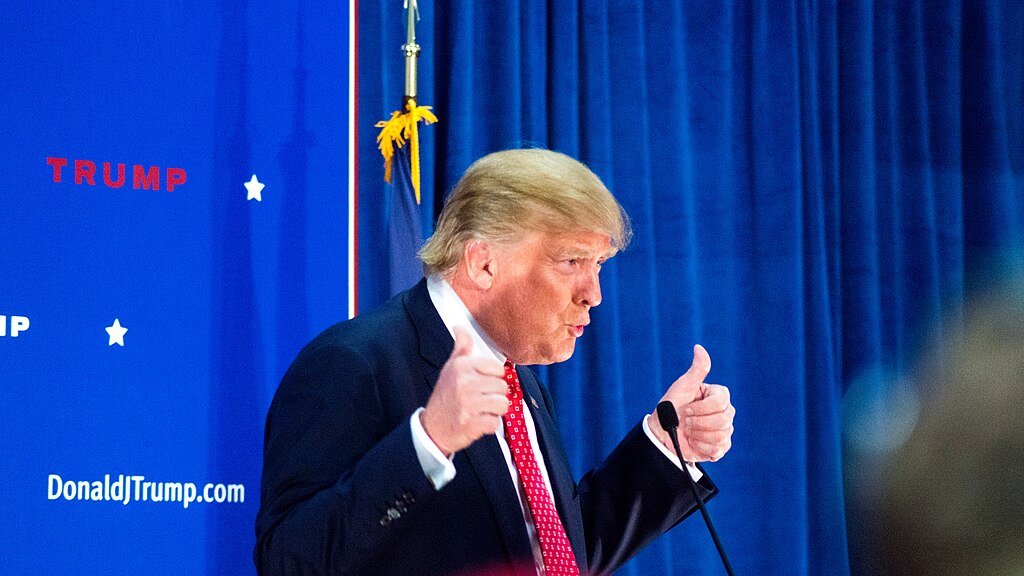
Former President Donald Trump has announced a sweeping plan to reform the Internal Revenue Service (IRS) in 2025, vowing to reduce bureaucracy, simplify tax collection, and eliminate what he calls "unnecessary harassment" of taxpayers. The controversial proposal has already sparked heated debate, with supporters praising its bold vision and critics warning of potential chaos.
Simplified Tax System and Smaller IRS Workforce
At the core of Trump’s reform is a simplified tax code aimed at reducing the agency’s workload. According to Trump, this move will make filing taxes easier for millions of Americans, particularly middle-class families and small business owners. The plan also includes replacing traditional audits with automated processes to minimize personal scrutiny.
Trump’s proposal seeks to slash the IRS workforce by 30%, which he claims will "streamline efficiency and curb government overreach." However, opponents argue that such drastic reductions could hinder the agency’s ability to prevent tax evasion and collect revenues effectively.
Additionally, the former president has suggested implementing a flat tax rate for most income levels, a measure he asserts will “eliminate confusion and foster economic growth.” Critics have raised concerns about the potential impact on lower-income taxpayers, who may bear a disproportionate burden under a flat-tax system.
Increased Focus on Wealthy Individuals and Corporations
While Trump’s reform promises relief for average taxpayers, it also emphasizes stricter enforcement for high-net-worth individuals and corporations. The plan aims to close loopholes that allow the ultra-wealthy to avoid taxes, a priority Trump says will "level the playing field."
Despite these assurances, some question whether the plan’s leniency on smaller audits could embolden wealthy individuals to exploit new gaps. Experts warn that without sufficient oversight, corporations may continue to employ aggressive tax avoidance strategies.
Social Media Erupts Over Trump’s IRS Reform Plan
The announcement has generated a firestorm of reactions online, with social media users voicing support, skepticism, and outright disbelief.
- @TaxpayerRevolt: “Finally! Trump is standing up for middle-class Americans tired of being bullied by the IRS.”
- @EconomicAnalyst2025: “Cutting IRS staff? Sounds like a recipe for disaster. Who will ensure billionaires pay their fair share?”
- @SmallBizOwnerUSA: “This is exactly what small businesses need! No more excessive audits and confusing paperwork.”
- @JusticeForAll: “Closing loopholes? Doubtful. Let’s see if Trump really holds corporations accountable or just gives them a free pass.”
- @PolicyWatchdog: “Flat tax? Great for the rich, terrible for low-income families. This isn’t reform, it’s robbery.”
- @FreedomTax2025: “Government overreach has gone on too long! Trump’s plan is a step in the right direction.”







