


 US Officials Split Over Response to Israeli West Bank Settlements
  Russian Envoy Dmitriev Heads to US for Ukraine Talks
  US Invites Putin to Miami G20, Opening Door to Trump Summit
  Scott Bessent Eyed as Trump’s New AI Czar
  Trump Meets Venezuela’s Delcy Rodriguez at UN Assembly
  Gaza Faces Evacuation Crisis as War-Damaged Buildings Risk Collapse
  Russian Strikes Kill Eight Across Ukraine as Energy Sites Hit
  Sudan Rejects US Legitimacy Remarks, Defends Sovereignty
  Vietnam, US Trade Deal Could Be Signed Soon, To Lam Says
  Canada Unveils Bill to Fast-Track Major Resource Projects
  Trump Board of Peace Unveils $2.45 Billion Gaza Recovery Plan
  South Korea, US Discuss Warship Building Cooperation
  US, China Extend Trade Truce to Jan. 10 Ahead of Trump-Xi Summit
  Trump Says U.S.-Iran Peace Deal Near After UN Talks
  Iran Vows ‘Crushing’ Response as US Talks Continue
  Trump to Press Xi on Release of US Nuclear Expert Held in China
  Lula and Flavio Bolsonaro Tied in Brazil Runoff Poll


 Add as a preferred source on Google
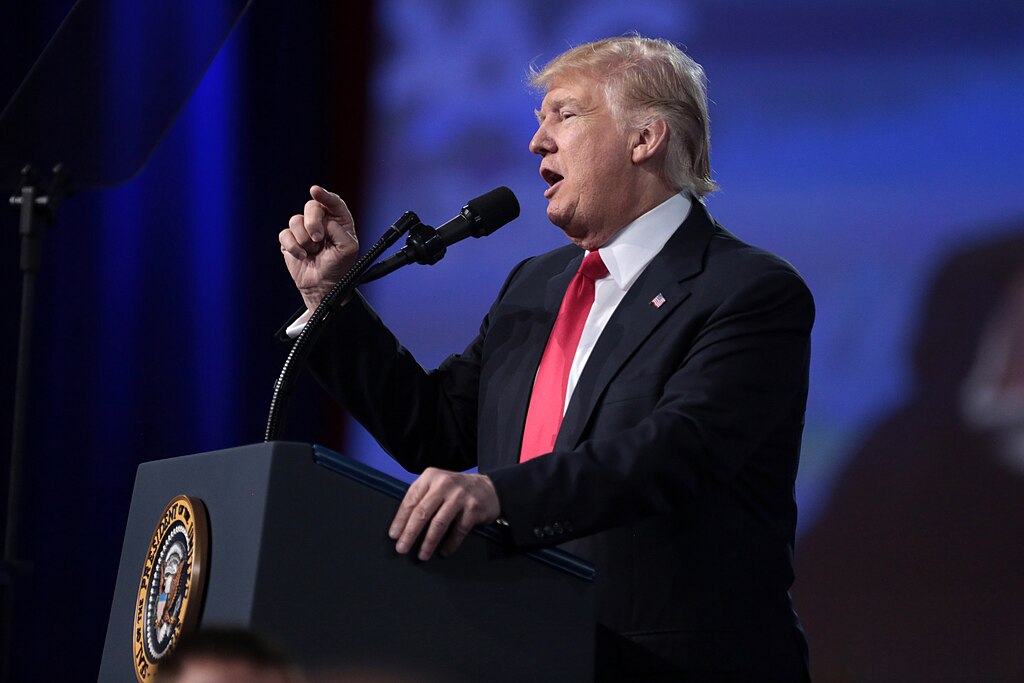
As terrorism remains a significant global threat, former President Donald Trump has unveiled his counterterrorism strategy for 2025, which he describes as a “game-changing approach” to national security. The plan, revealed during a press conference in Washington, D.C., includes a mix of aggressive military action, enhanced domestic surveillance, and an emphasis on international partnerships. Critics and supporters alike are divided over the implications of this approach, with some hailing it as decisive and others condemning it as overreaching.
Revamped Military Tactics to Combat Terrorism
A cornerstone of Trump’s 2025 strategy is his commitment to heightened military operations against terrorist organizations. The plan includes a 25% increase in defense spending, aimed at equipping the armed forces with advanced technologies such as AI-powered drones and cyber warfare capabilities. Trump stressed the importance of proactive measures, stating, “We won’t wait for terrorists to attack us—we’ll take the fight to them.”
Additionally, Trump proposed expanding U.S. military bases in the Middle East and Africa, regions often regarded as hotbeds for terrorist activity. He emphasized that these efforts would target not only well-known groups like ISIS and al-Qaeda but also emerging threats in unstable regions.
However, critics warn that increased military activity in foreign territories could escalate tensions and lead to unintended consequences, including civilian casualties and anti-American sentiment.
Domestic Security Measures Spark Debate
On the home front, Trump’s strategy calls for enhanced domestic surveillance programs to detect and prevent potential terrorist plots. This includes bolstering partnerships between federal agencies, such as the FBI and DHS, and utilizing data collection technologies to monitor online activity.
Privacy advocates have expressed concern over potential violations of civil liberties. Critics argue that such measures could disproportionately target minority communities and fuel distrust between law enforcement and the public. Despite these concerns, Trump defended the approach, asserting that “national security must always come first.”
Mixed Reactions From Social Media
Trump’s counterterrorism strategy has ignited fierce debates across social media platforms, reflecting a broad spectrum of opinions.
- @PatriotShield45: “Finally, a leader willing to take terrorism seriously. This plan is what America needs to feel safe!”
- @CivilRightsNow: “Domestic surveillance? Sounds like an excuse to spy on Americans and strip us of our rights.”
- @VeteranVoice: “Military expansion is necessary, but let’s not forget the lessons of the past. Wars come at a cost.”
- @TechForChange: “AI in warfare? This could backfire spectacularly. Technology can’t solve everything.”
- @PeaceAdvocate2025: “More boots on foreign soil? This will just create more enemies abroad. We need diplomacy, not force.”
- @NationalSecurityPro: “This strategy is aggressive, but it might be the bold action needed to counter evolving threats.”







