


 Macron Challenges Trump’s Gaza Peace Claims at UN
  US Invites Putin to Miami G20, Opening Door to Trump Summit
  Trump Says ‘Freedom’ Is Coming to Cuba
  Russian Envoy Dmitriev Heads to US for Ukraine Talks
  Gaza Faces Evacuation Crisis as War-Damaged Buildings Risk Collapse
  Iran Vows ‘Crushing’ Response as US Talks Continue
  Venezuela Promises Elections as Delcy Rodriguez Pledges Democratic Transition
  Marco Rubio to Meet Russia’s Lavrov in New York
  Macron, Trump Discuss Ukraine-Russia Energy Strike Moratorium
  Kremlin Says No Grounds Yet for Ukraine Peace Talks
  Sudan Rejects US Legitimacy Remarks, Defends Sovereignty
  Trump Says U.S.-Iran Peace Deal Near After UN Talks
  Burnham Eyes UK Leadership Role in AI Ahead of Trump Meeting
  Ghana Says Western Support Growing for Slave Trade Reparations
  Trump Board of Peace Unveils $2.45 Billion Gaza Recovery Plan
  Lula and Flavio Bolsonaro Tied in Brazil Runoff Poll
  Vietnam, US Trade Deal Could Be Signed Soon, To Lam Says


 Add as a preferred source on Google
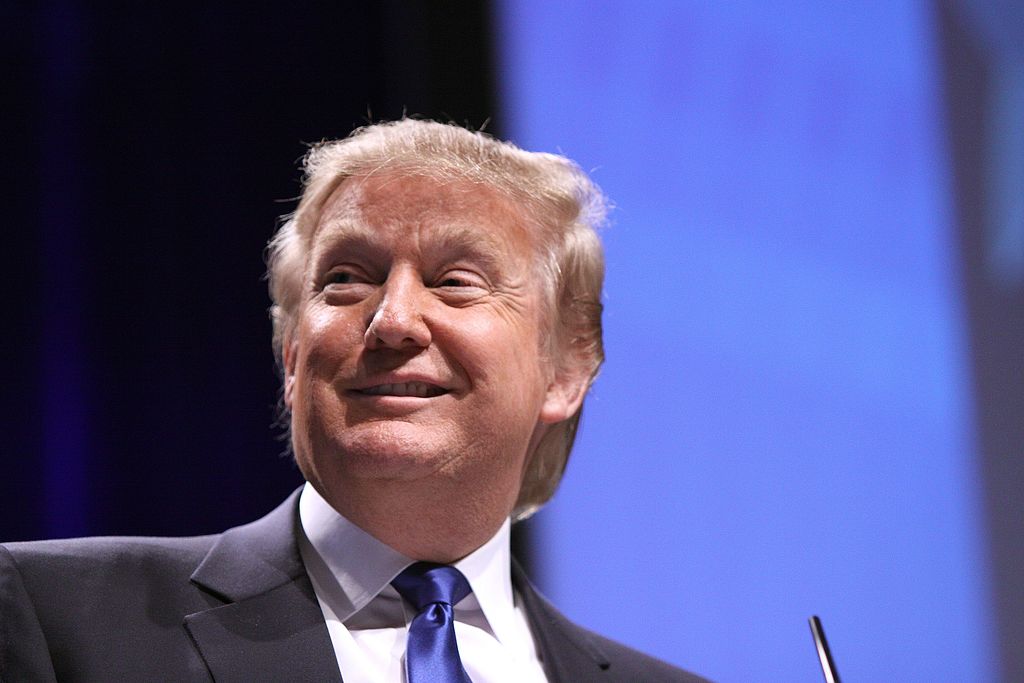
Amid escalating concerns over water scarcity in the United States, former President Donald Trump has rolled out a comprehensive strategy to address water shortages in 2025. The initiative, unveiled during a press conference in Arizona, focuses on infrastructure upgrades, stricter conservation policies, and a contentious plan to divert water from the Mississippi River to arid Western states. While Trump’s proposal has garnered support from some, it has also ignited debates over feasibility, environmental impact, and cost.
Infrastructure Overhaul: Trump’s Water Solution
Central to Trump’s plan is a $200 billion infrastructure investment aimed at modernizing the nation’s aging water systems. This includes repairing dams, upgrading pipelines, and constructing new reservoirs to increase water storage capacity. Trump emphasized the urgency of addressing the crisis, stating, “Water shortages threaten our farms, our cities, and our way of life. We cannot afford inaction.”
In addition to infrastructure, the former president proposed a series of water conservation measures. These include incentives for farmers to adopt more efficient irrigation systems and mandates for urban areas to reduce water waste by implementing advanced recycling technologies. Critics argue that such measures, while necessary, may not be sufficient to address the scale of the crisis.
Diverting the Mississippi: A Controversial Proposal
The most contentious aspect of Trump’s plan is his proposal to divert water from the Mississippi River to drought-stricken areas in the West. The project, estimated to cost over $50 billion, would involve constructing a massive pipeline network to transport water across multiple states. Proponents argue the initiative could provide a lifeline to farmers and communities struggling with extreme drought conditions.
However, environmental groups and some state officials have raised concerns about the ecological impact of such a diversion. They warn that altering the river’s flow could devastate ecosystems, harm wildlife, and exacerbate flooding risks in the Midwest.
Mixed Reactions From Social Media
Trump’s water shortage strategy has ignited heated discussions online, with supporters and detractors weighing in on social media.
- @EcoActivist88: “Diverting the Mississippi River? This could spell disaster for ecosystems. Trump’s ideas are reckless as always.”
- @FarmersFirstNow: “Finally, someone addressing the water crisis head-on. This plan could save farms and livelihoods!”
- @CityConserver: “Water recycling and conservation are great, but this pipeline idea is a logistical nightmare.”
- @WestCoastThrive: “Desperate times call for bold solutions. Trump’s plan may be crazy, but at least it’s something.”
- @RiverDefender: “Mississippi diversion is an environmental catastrophe waiting to happen. We need smarter solutions, not knee-jerk reactions.”
- @InnovationNow2025: “Trump is thinking big. Water shortages are a national crisis—we need to act, even if it’s controversial.”







