


 Venezuela Promises Elections as Delcy Rodriguez Pledges Democratic Transition
  Sudan Rejects US Legitimacy Remarks, Defends Sovereignty
  US, China Extend Trade Truce to Jan. 10 Ahead of Trump-Xi Summit
  Zelenskiy Warns Russia Preparing Major Attack on Ukraine
  US Invites Putin to Miami G20, Opening Door to Trump Summit
  Macron Challenges Trump’s Gaza Peace Claims at UN
  South Korea, US Discuss Warship Building Cooperation
  Trump Administration Plans Faster FDA Reviews for Smoke-Free Nicotine Products
  Trump Says U.S.-Iran Peace Deal Near After UN Talks
  Trump to Press Xi on Release of US Nuclear Expert Held in China
  Macron, Trump Discuss Ukraine-Russia Energy Strike Moratorium
  Kremlin Says No Grounds Yet for Ukraine Peace Talks
  Vietnam, US Trade Deal Could Be Signed Soon, To Lam Says
  US Officials Split Over Response to Israeli West Bank Settlements
  Trump Board of Peace Unveils $2.45 Billion Gaza Recovery Plan
  Ghana Says Western Support Growing for Slave Trade Reparations
  Russian Envoy Dmitriev Heads to US for Ukraine Talks


 Add as a preferred source on Google
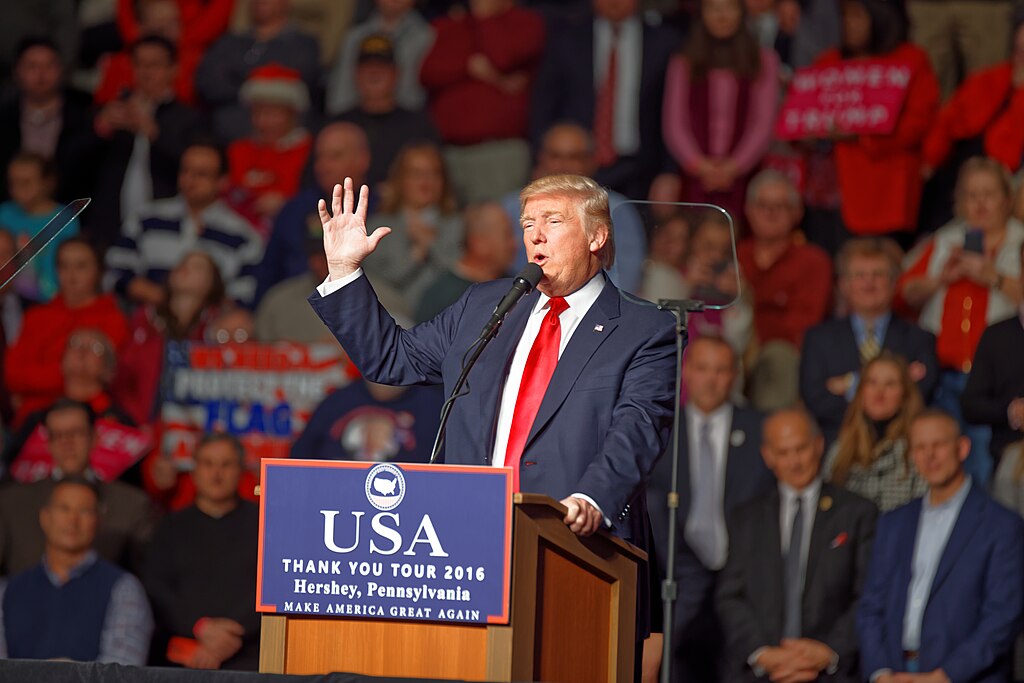
President-elect Donald Trump has rolled out a controversial strategy to combat homelessness in 2025, promising to address what he calls a "humanitarian crisis" affecting major U.S. cities. His plan, which includes relocating homeless individuals to federally managed facilities, has sparked a heated national debate over its feasibility and ethics.
Trump’s proposal aims to clear urban streets by offering shelter, rehabilitation programs, and job training. However, critics claim the plan could criminalize homelessness and strip individuals of their autonomy, adding that it might worsen existing inequalities.
Key Elements of Trump’s Homelessness Plan
The president-elect’s plan outlines the establishment of federally managed facilities—termed “transitional housing centers”—designed to house homeless individuals temporarily. These centers, proposed to be built on federal land outside urban areas, would offer access to mental health services, substance abuse treatment, and workforce training.
Trump’s administration argues that these centers will not only remove unsanitary encampments but also provide a pathway to reintegration into society. However, the program requires significant federal funding, with early estimates suggesting a cost of nearly $50 billion over four years.
Additionally, the plan seeks to penalize cities that fail to comply with federal homelessness guidelines, such as reducing visible encampments or implementing stricter anti-loitering laws. Federal grants to non-compliant cities could be withheld, further pressuring local governments to adopt Trump’s strategy.
Public and Expert Reactions
While some have welcomed the focus on mental health and addiction treatment, others argue that the plan lacks nuance and empathy. Civil rights groups warn it could lead to mass displacement and violations of personal freedoms. Critics also question the long-term sustainability of relocating homeless populations to federally operated facilities.
Social media reactions showcase the divide in public opinion:
- @UrbanReformer: “Trump’s plan offers real solutions to homelessness for the first time. Cities have failed for too long.”
- @ActivistLaura: “Shipping people off to camps isn’t the answer. It’s dehumanizing and ignores systemic issues.”
- @PolicyWonks: “The mental health component is overdue, but relocation centers sound like a PR move, not a solution.”
- @JohnInSF: “Homelessness is a complex issue. You can’t fix it by just moving people out of sight.”
- @AmericaFirstNow: “Finally, a president who’s not afraid to take bold steps. Our streets need to be cleaned up!”
- @HumanRightsNow: “This approach could backfire badly. Homeless individuals need support, not punishment.”
Challenges Ahead
Experts warn that implementing Trump’s plan could face logistical and legal hurdles. Questions about funding, city compliance, and human rights have already emerged. Critics also argue that the plan does not address root causes such as housing affordability and wage stagnation.
Moreover, local governments and advocacy groups could challenge the initiative in court, citing potential constitutional violations. States like California, which have significant homeless populations, are likely to resist federal mandates that conflict with their existing programs.
Despite these challenges, Trump’s team maintains that the plan is a “bold, compassionate approach” to resolving a crisis that has plagued American cities for decades. Supporters argue that visible action could boost public confidence in the administration’s ability to handle complex social issues.







