


 Trump to Press Xi on Release of US Nuclear Expert Held in China
  Lula and Flavio Bolsonaro Tied in Brazil Runoff Poll
  Iran Vows ‘Crushing’ Response as US Talks Continue
  US, Denmark and Greenland Set to Sign Arctic Security Deal
  Paramount-Warner Bros $110 Billion Deal Draws Antitrust Backlash
  Trump Says ‘Freedom’ Is Coming to Cuba
  Kremlin Says No Grounds Yet for Ukraine Peace Talks
  Burnham Eyes UK Leadership Role in AI Ahead of Trump Meeting
  China Tightens Fentanyl Rules Ahead of Trump-Xi Summit
  Trump Meets Venezuela’s Delcy Rodriguez at UN Assembly
  Macron, Trump Discuss Ukraine-Russia Energy Strike Moratorium
  US, Japan and South Korea Back Taiwan Ahead of Trump-Xi Summit
  Trump Says U.S.-Iran Peace Deal Near After UN Talks
  Carney Condemns Belleville Synagogue Shooting That Wounded Police Officer
  Zelenskiy Warns Russia Preparing Major Attack on Ukraine
  Scott Bessent Eyed as Trump’s New AI Czar
  Russian Strikes Kill Eight Across Ukraine as Energy Sites Hit


 Add as a preferred source on Google
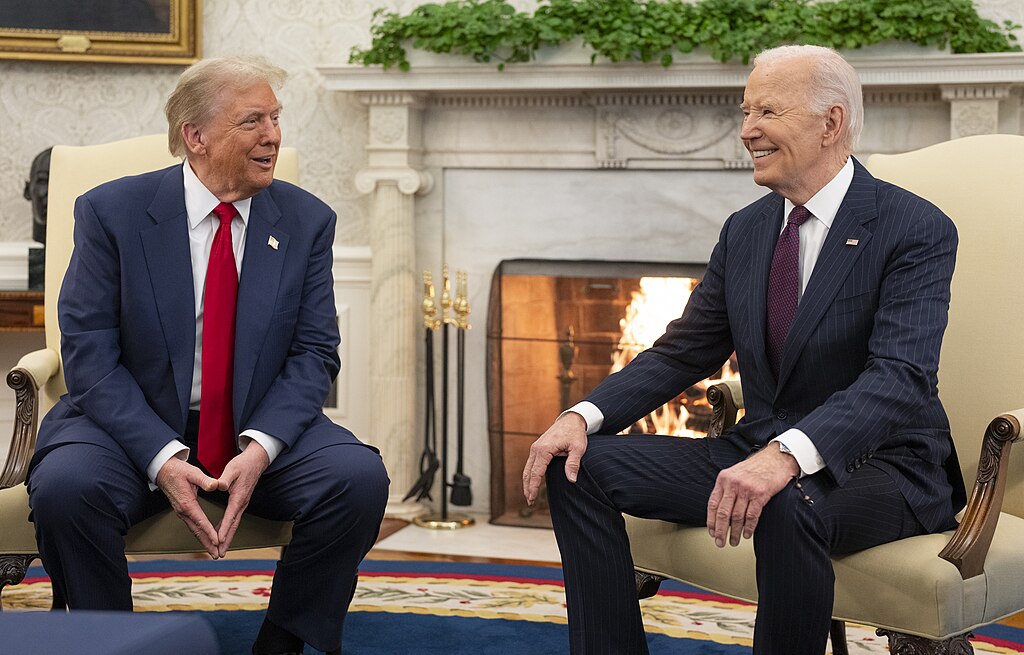
President-elect Donald Trump finalized a transition agreement with President Joe Biden's White House on Tuesday, clearing the way for his transition team to coordinate with federal agencies ahead of his January 20 inauguration. The agreement, required under the Presidential Transition Act, allows Trump's team access to critical government operations and facilitates the sharing of sensitive information between outgoing and incoming officials.
Despite this milestone, Trump declined to sign a separate General Services Administration (GSA) agreement. This refusal prevents his team from accessing secure government facilities and communication systems, as well as delaying FBI background checks for his prospective national security appointees. The decision has raised alarms about potential security gaps during the transition.
Why Trump’s Rejection of the GSA Agreement Matters
The GSA agreement imposes a $5,000 contribution cap and mandates public disclosure of transition donors, both of which Trump’s camp opposed. Without this agreement, federal agencies must find alternative methods to brief Trump’s team securely, including in-person meetings and manual document reviews. The Associated Press reported that this could force the Senate to vote on Cabinet nominees without full FBI background checks, further complicating the already strained process.
White House spokesperson Saloni Sharma emphasized the importance of transparency, stating that all transition aides must disclose potential financial conflicts of interest before gaining access to non-public federal information. “President Biden remains committed to a smooth and orderly transition for the safety and security of the American people,” Sharma said.
Strained Relations and Delayed Progress
While Trump’s team ultimately signed the transition agreement, delays in finalizing the deal hindered early collaboration between the two administrations. Biden officials, limited by the lack of formal agreements, were initially unable to fully brief Trump’s representatives on pressing national security and international issues. These restrictions have added logistical challenges with just weeks remaining until the inauguration.
Reports indicate that Trump agreed to address the holdups during a November 13 Oval Office meeting with Biden. Subsequent discussions between their respective chiefs of staff—Susie Wiles and Jeff Zients—helped finalize the transition agreement. However, Trump's unconventional approach has added a layer of complexity to the process, raising questions about the potential risks associated with his rejection of traditional protocols.
Looking Ahead: Transparency and Security
As part of the transition, Trump’s team is now required to publicly disclose its ethics plan and ensure that all aides sign conflict-of-interest statements. Meanwhile, the Justice Department is negotiating a separate arrangement to expedite background checks and security clearances for key appointees.
Trump’s decision to forgo the GSA-provided office space and communication tools near the White House introduces logistical hurdles. Federal agencies are exploring alternative methods to share sensitive information, further complicating the transition.
Despite these challenges, Trump’s transition team has pledged to disclose its donors and avoid accepting foreign contributions. “This agreement allows our Cabinet nominees to prepare and ensures a seamless transfer of power,” said Susie Wiles, Trump’s chief of staff-designate.
Netizens React to Transition Agreement
The decision has sparked heated online debate:
- @JusticeForAll: “Rejecting the GSA deal is reckless. Transparency and security shouldn’t be optional!”
- @MAGA_Faithful: “Trump is saving taxpayers money while exposing the deep state’s inefficiency. Brilliant move!”
- @BidenSupporter2024: “Biden is doing all the heavy lifting to keep this country safe. Trump adds chaos, as usual.”
- @PolicyExpert: “This sets a dangerous precedent. Transition logistics are critical for national security.”
- @LibertyNow: “Another example of government overreach. Why should Trump bow to GSA demands?”
- @NeutralObserver: “Both teams need to put politics aside and ensure America is prepared for the next administration.”







