


 Scott Bessent Eyed as Trump’s New AI Czar
  Burnham Eyes UK Leadership Role in AI Ahead of Trump Meeting
  US, China Extend Trade Truce to Jan. 10 Ahead of Trump-Xi Summit
  Iran Vows ‘Crushing’ Response as US Talks Continue
  Trump Board of Peace Unveils $2.45 Billion Gaza Recovery Plan
  Vietnam, US Trade Deal Could Be Signed Soon, To Lam Says
  Taiwan Vows to Advance US Arms Sales Ahead of Trump-Xi Meeting
  Canada Unveils Bill to Fast-Track Major Resource Projects
  Kremlin Says No Grounds Yet for Ukraine Peace Talks
  South Korea, US Discuss Warship Building Cooperation
  US Invites Putin to Miami G20, Opening Door to Trump Summit
  Russian Strikes Kill Eight Across Ukraine as Energy Sites Hit
  US Officials Split Over Response to Israeli West Bank Settlements
  Marco Rubio to Meet Russia’s Lavrov in New York
  Russian Envoy Dmitriev Heads to US for Ukraine Talks
  Sudan Rejects US Legitimacy Remarks, Defends Sovereignty
  Zelenskiy Warns Russia Preparing Major Attack on Ukraine


 Add as a preferred source on Google
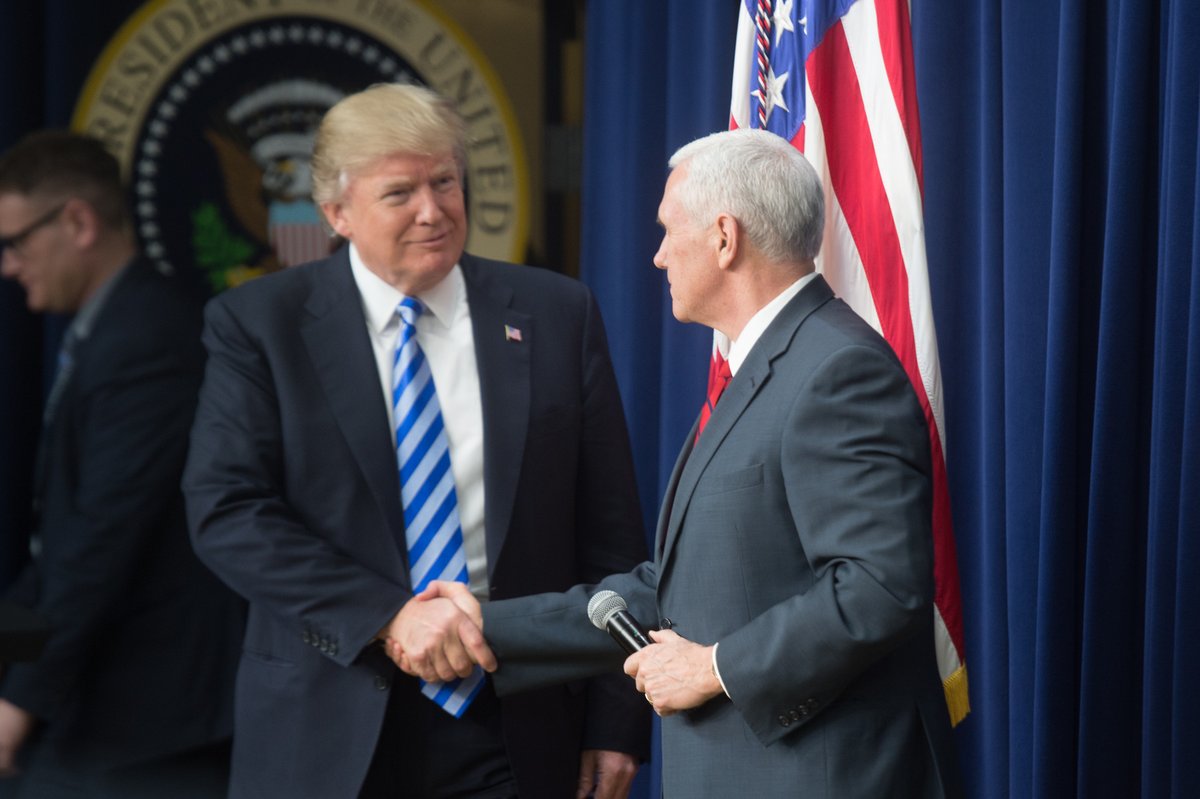
President-elect Donald Trump’s ambitious plans to tackle unemployment in 2025 have sparked heated debate among economists, business leaders, and everyday Americans. With promises of slashing regulations, incentivizing domestic manufacturing, and restricting immigration, Trump has outlined a strategy aimed at boosting job growth. However, critics warn these policies could lead to labor shortages and income inequality.
Trump’s administration has set a target to reduce unemployment to a historic low by revitalizing sectors such as energy, manufacturing, and infrastructure. While the approach has won praise from his supporters, skeptics argue it risks sidelining vulnerable workers and ignoring economic trends favoring automation and green jobs.
Boosting Domestic Manufacturing and Energy Jobs
Central to Trump’s 2025 economic agenda is a push to bring manufacturing jobs back to the United States. The president-elect has vowed to renegotiate trade deals, impose tariffs on imported goods, and incentivize companies to relocate production to American soil. His plan also includes expanding fossil fuel projects, which he claims will generate hundreds of thousands of jobs in rural and industrial regions.
“American workers will finally have a government that puts them first,” Trump said during a recent campaign rally. Proponents argue that these measures could create short-term gains, particularly in blue-collar sectors.
However, labor experts caution that these strategies may not align with global economic realities. Many industries have shifted toward automation or require specialized skills, meaning the promised job growth may not materialize as expected.
Controversy Over Immigration and Workforce Impacts
Trump’s immigration policies are also a significant part of his unemployment strategy. The administration plans to restrict legal immigration pathways and increase deportations of undocumented workers, citing the need to prioritize jobs for American citizens.
Supporters believe this will reduce competition in the labor market, but critics contend it could exacerbate labor shortages in industries such as agriculture, construction, and hospitality, which heavily rely on immigrant workers.
Economists also warn that limiting immigration could stifle innovation and economic growth. “Reducing the workforce during a time of aging demographics will likely hurt productivity,” said a report from the Brookings Institution.
Public Reactions Reflect Divided Opinions
Trump’s plans for unemployment have sparked a flurry of reactions on social media, with netizens debating their potential impact:
- @JobSaver2025: “Finally, a president who values American jobs! Manufacturing will thrive again under Trump’s leadership.”
- @EcoVisionary: “He’s ignoring the future! Green energy and automation are the real solutions to unemployment.”
- @FarmersUnite: “Without immigrant workers, agriculture will collapse. Who will pick the crops if Trump cuts the workforce?”
- @BlueCollarPride: “This is what we’ve needed for years—putting America first and creating real jobs for our citizens.”
- @ThinkFuture: “Global economies don’t work this way anymore. Tariffs will only hurt consumers in the long run.”
- @LaborAdvocate: “Low unemployment doesn’t matter if wages remain stagnant. Trump’s policies favor corporations, not workers.”







