


 Vietnam, US Trade Deal Could Be Signed Soon, To Lam Says
  Kremlin Says No Grounds Yet for Ukraine Peace Talks
  Taiwan Vows to Advance US Arms Sales Ahead of Trump-Xi Meeting
  Europe Warns Russia Is Escalating Hybrid Attacks Across NATO
  Trump Says U.S.-Iran Peace Deal Near After UN Talks
  US Invites Putin to Miami G20, Opening Door to Trump Summit
  Trump Meets Venezuela’s Delcy Rodriguez at UN Assembly
  Ghana Says Western Support Growing for Slave Trade Reparations
  Trump Administration Plans Faster FDA Reviews for Smoke-Free Nicotine Products
  US Officials Split Over Response to Israeli West Bank Settlements
  Lula and Flavio Bolsonaro Tied in Brazil Runoff Poll
  Macron Challenges Trump’s Gaza Peace Claims at UN
  US, China Extend Trade Truce to Jan. 10 Ahead of Trump-Xi Summit
  Trump to Press Xi on Release of US Nuclear Expert Held in China
  South Korea, US Discuss Warship Building Cooperation
  Burnham Eyes UK Leadership Role in AI Ahead of Trump Meeting
  Sudan Rejects US Legitimacy Remarks, Defends Sovereignty


 Add as a preferred source on Google
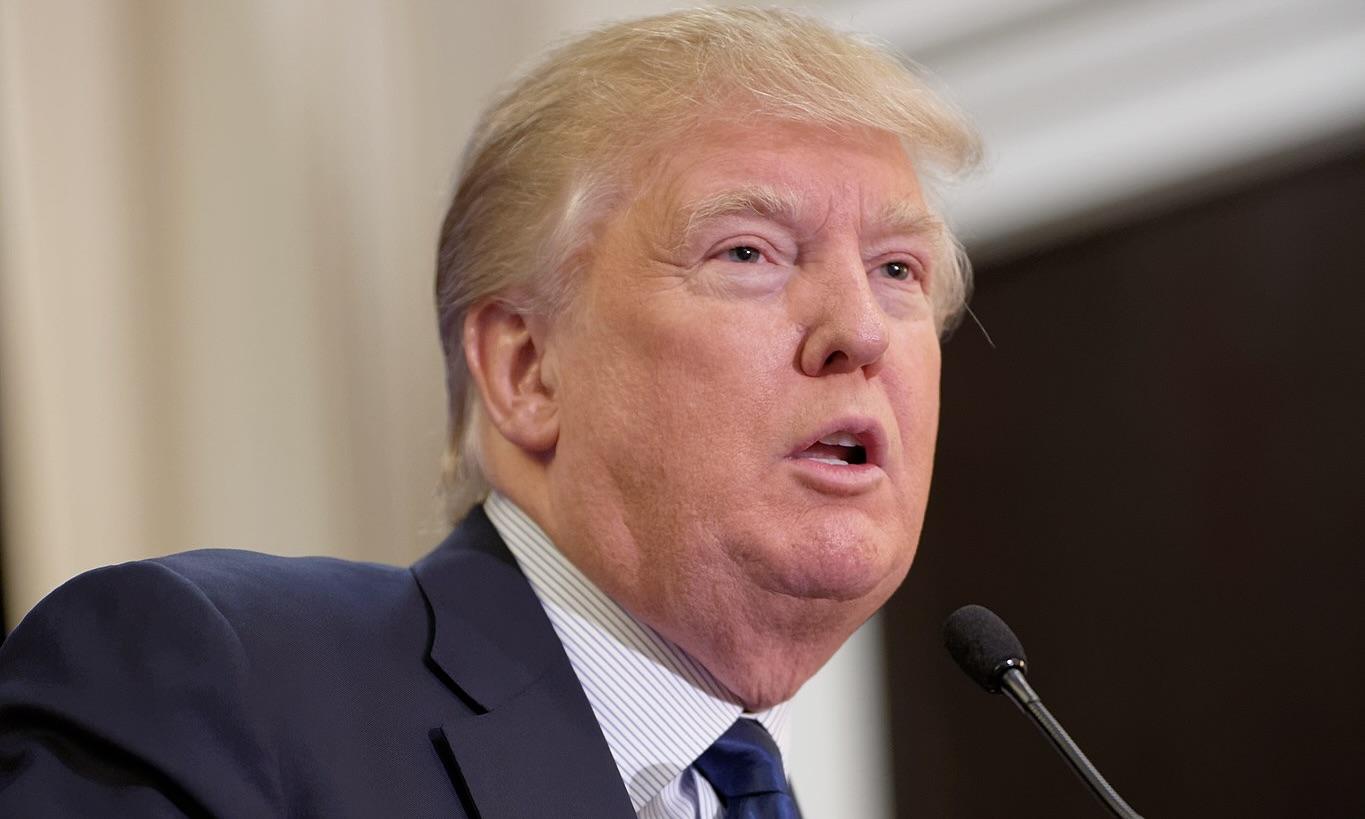
President-elect Donald Trump has unveiled plans for sweeping cryptocurrency regulations in 2025, raising concerns among crypto enthusiasts, financial institutions, and industry leaders. Trump, who previously criticized Bitcoin and other digital currencies, is doubling down on his stance by proposing stricter oversight to address fraud, national security risks, and financial stability.
While his administration argues these measures will protect American investors and curb illegal activities, critics claim they could stifle innovation and discourage crypto adoption in the U.S., potentially pushing companies offshore.
Regulatory Plans for Cryptocurrency Markets
Under Trump’s proposed framework, the administration seeks to impose stricter Know Your Customer (KYC) and Anti-Money Laundering (AML) regulations on cryptocurrency exchanges. The plan also includes requiring federal registration for digital wallet providers and heightened scrutiny of decentralized finance (DeFi) platforms.
The president-elect has also hinted at introducing capital gains taxes specifically targeting cryptocurrency holdings, a move that has sparked alarm within the investor community. Trump’s team claims the proposed taxes are aimed at creating fairness in financial markets, arguing that cryptocurrency profits have evaded adequate taxation for too long.
Additionally, Trump’s administration is reportedly considering a digital dollar initiative, which would create a government-controlled central bank digital currency (CBDC). This project, however, has drawn criticism for its potential to undermine private cryptocurrencies, raising questions about privacy and state control.
Industry Leaders and Public Reactions
While some analysts support Trump’s proposals as a way to legitimize the cryptocurrency market, many industry leaders have voiced strong opposition. They argue that excessive regulation could drive innovation to countries with more lenient policies, diminishing the United States' role as a global technology leader.
Crypto advocacy groups, such as the Blockchain Association, have called Trump’s approach “short-sighted,” warning that it could stifle a sector poised to revolutionize global finance.
Social media reactions have highlighted the divided opinions among the public:
- @CryptoKing2025: “Trump is clueless about crypto! This crackdown will send Bitcoin to zero!”
- @USInvestor2025: “Finally, someone protecting investors from scams and fraud. Regulation is necessary for crypto to succeed long-term.”
- @BlockChainBabe: “If the U.S. imposes capital gains taxes on crypto, expect mass migration of companies to Europe and Asia.”
- @FreedomFinance: “CBDC? No thanks. Trump’s digital dollar sounds like the government taking over your wallet!”
- @TechFutures: “Striking a balance is key. Too much regulation will cripple crypto, too little invites chaos.”
- @DeFiFanatic: “Decentralization is the future. Trump’s policies are trying to control what can’t be controlled.”
Potential Economic Impacts
Trump’s regulatory push could have far-reaching consequences for the U.S. economy. Experts caution that stringent rules might deter cryptocurrency firms from operating in the country, limiting job creation and investment. On the other hand, proponents believe that clear regulations could attract institutional investors who have been wary of the crypto market’s volatility.
As the debate intensifies, global markets are closely watching how Trump’s policies will shape the future of digital assets in the United States. With crypto at a crossroads, the 2025 landscape could redefine its trajectory for years to come.







