


 US-Backed Venezuela Government, Opposition Talks Begin
  North Korea May Deploy 120 Missiles to Russia
  Trump Says U.S.-Iran Talks Progressing as Hopes Rise for Strait of Hormuz Reopening
  Trump Administration Weighs Executive Order on Vaccines and Autism Research
  Bezalel Smotrich Faces Election Battle as Israel’s Far-Right Vote Fractures
  Trump Orders Probe Into Pentagon Munitions Stockpile Leaks After Iran Conflict
  North Korea May Deploy Missile Unit to Russia as Ukraine Faces Growing Ballistic Threat
  U.S., Iran, Oman Near Interim Deal to Reopen Strait of Hormuz Amid Ceasefire Efforts
  Abdul El-Sayed Wins Michigan Democratic Senate Primary, Sets Up Key Midterm Showdown
  Russia Intensifies Drone and Bomb Attacks on Ukraine’s Zaporizhzhia, Deepening Civilian Fear
  Andy Burnham’s Social Media Strategy Boosts Labour Against Reform UK
  Russian Strikes Kill Six in Eastern and Northern Ukraine, Dozens Injured
  Trump Faces Tough Choices as Iran War Drags On
  Russian Air Strike on Kyiv Kills Two, Injures Dozens as Attacks Intensify
  New Mexico Sues DOJ Over Unredacted Jeffrey Epstein Files Amid Ongoing Investigation
  Canada, US Hold Constructive Trade Talks as Tariff Negotiations Continue


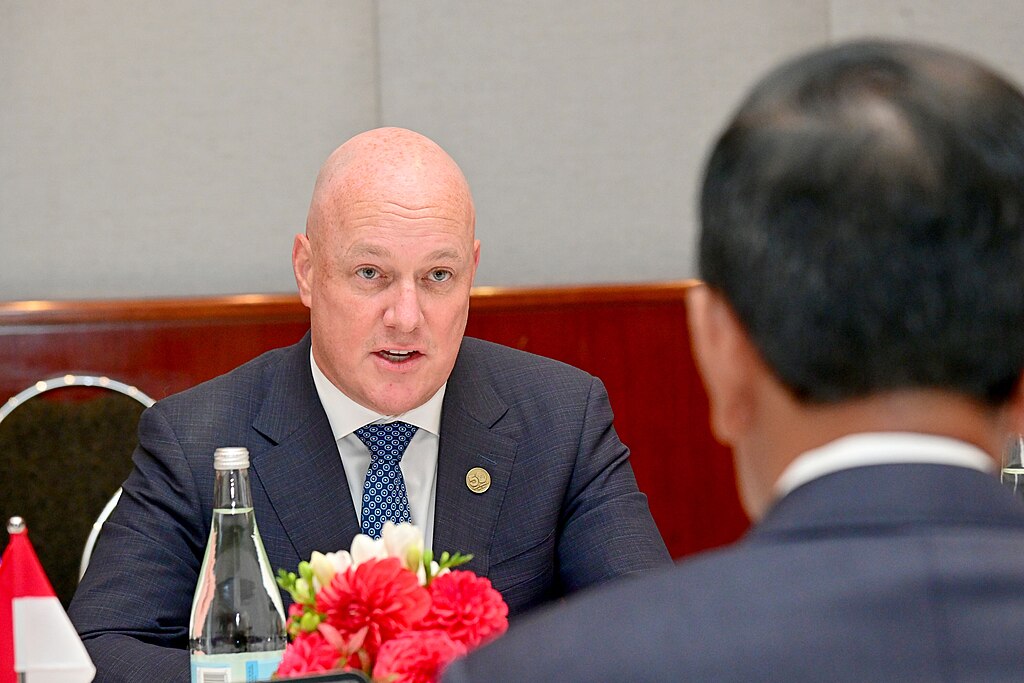
New Zealand’s mixed-member proportional (MMP) electoral system is back in the spotlight after Prime Minister Christopher Luxon said he was open to holding a referendum on how the country elects its parliament. The proposal has triggered political debate, with critics warning that changing the system could benefit New Zealand’s larger parties at the expense of smaller rivals.
New Zealand adopted MMP in 1996, replacing the British-style first-past-the-post system following concerns that smaller political parties were not adequately represented. Since then, coalition governments have become the norm, with either the centre-right National Party or centre-left Labour Party generally relying on smaller parties for support. Labour’s outright victory in 2020 was a notable exception.
Under New Zealand’s MMP electoral system, voters receive two votes: an electorate vote for a local candidate and a party vote. Electorate candidates who receive the most votes win their seats, while the nationwide party vote largely determines each party’s overall representation in parliament.
The country has 71 electorate seats, including seven Māori electorates. The remaining seats are filled from political party lists to make parliamentary representation broadly proportional to the party vote. Parliament usually has 120 MPs, meaning 61 seats are typically required for a majority government.
Parties generally need at least 5% of the nationwide party vote or victory in one electorate to enter parliament. However, “overhang” seats can increase parliament’s size when a party wins more electorates than its party-vote share would normally provide. Te Pāti Māori created an overhang after the 2023 election by winning six electorates despite receiving 3.1% of the party vote.
MMP has also given smaller parties significant influence over government formation. New Zealand First supported National following the 1996 election but helped Labour form a government in 2017. Te Pāti Māori previously supported National-led governments.
The 2017 result demonstrated one of MMP’s defining features: National won 56 seats compared with Labour’s 46 but could not secure a governing majority. Labour ultimately took power with New Zealand First and support from the Greens.
With the Opportunity Party potentially playing a pivotal role in the 2026 election, debate over New Zealand’s MMP system and its political future is likely to intensify.







