


 Kremlin Says No Grounds Yet for Ukraine Peace Talks
  Scott Bessent Eyed as Trump’s New AI Czar
  Marco Rubio to Meet Russia’s Lavrov in New York
  Russian Strikes Kill Eight Across Ukraine as Energy Sites Hit
  Trump Administration Plans Faster FDA Reviews for Smoke-Free Nicotine Products
  Macron, Trump Discuss Ukraine-Russia Energy Strike Moratorium
  Trump Meets Venezuela’s Delcy Rodriguez at UN Assembly
  Taiwan Vows to Advance US Arms Sales Ahead of Trump-Xi Meeting
  China Tightens Fentanyl Rules Ahead of Trump-Xi Summit
  Ghana Says Western Support Growing for Slave Trade Reparations
  Macron Challenges Trump’s Gaza Peace Claims at UN
  Trump to Press Xi on Release of US Nuclear Expert Held in China
  Trump Says ‘Freedom’ Is Coming to Cuba
  Sudan Rejects US Legitimacy Remarks, Defends Sovereignty
  Russian Envoy Dmitriev Heads to US for Ukraine Talks
  Canada Unveils Bill to Fast-Track Major Resource Projects
  Lula and Flavio Bolsonaro Tied in Brazil Runoff Poll


 Add as a preferred source on Google
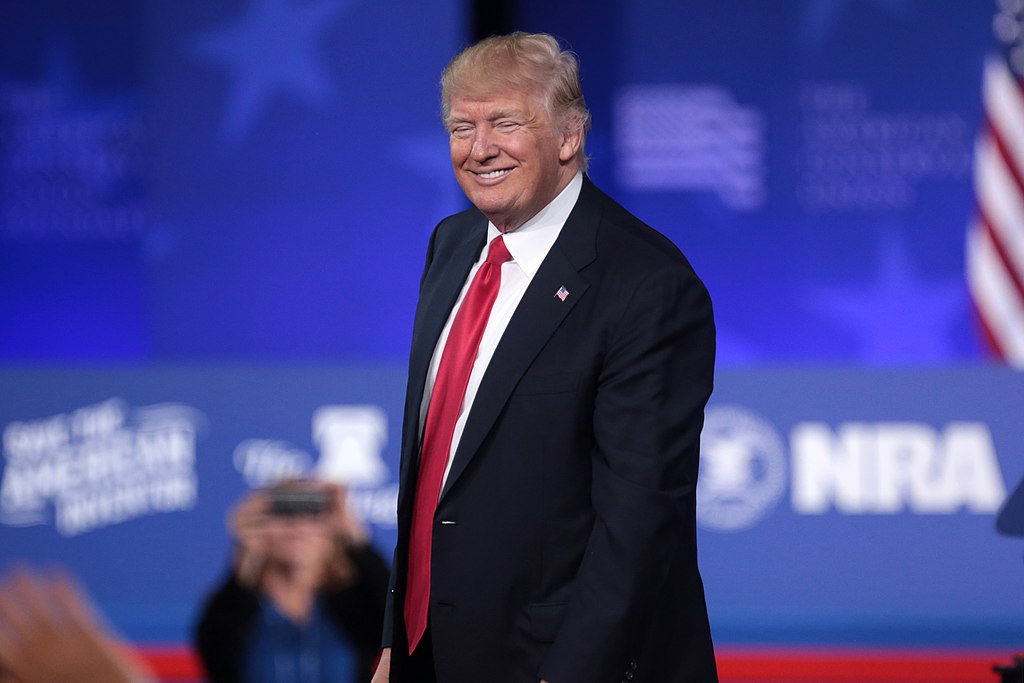
President-elect Donald Trump’s 2025 energy policies are drawing sharp criticism as they signal a significant shift away from renewable energy. Trump’s administration appears poised to prioritize fossil fuel production, reversing many of the renewable energy initiatives implemented under previous administrations. The policies, announced through a series of press briefings and statements, aim to bolster U.S. energy independence by expanding oil and gas exploration while rolling back subsidies for solar and wind power.
These moves have sparked widespread debate, with proponents touting economic growth and job creation in traditional energy sectors, while critics warn of environmental consequences and lost momentum in combating climate change.
Expanded Oil and Gas Production
Central to Trump’s energy agenda is a substantial push for domestic oil and gas production. His administration plans to ease restrictions on drilling in federal lands and offshore areas, arguing that these measures will strengthen the economy and reduce reliance on foreign energy sources.
Industry leaders have welcomed the shift. “This policy will ensure energy security while creating thousands of jobs,” said an executive from the American Petroleum Institute. However, environmentalists and renewable energy advocates are raising alarms. Experts caution that increased fossil fuel reliance could derail U.S. progress in reducing greenhouse gas emissions.
The administration also intends to streamline environmental reviews for energy projects, a move that opponents claim prioritizes speed over ecological safeguards. Trump’s team insists the policies will not only boost production but also make energy more affordable for American households.
Cuts to Renewable Energy Programs
In stark contrast, Trump’s policies include significant cuts to federal programs supporting renewable energy. Subsidies for wind and solar industries are expected to be slashed, with funds redirected toward fossil fuel projects. The White House has stated that renewable energy will remain part of the U.S. energy portfolio but argued that traditional energy sources are more reliable and cost-effective.
Critics warn that reducing support for renewables could result in job losses and hinder advancements in green technology. Renewable energy advocates emphasize the long-term economic and environmental benefits of transitioning to sustainable energy sources.
“This decision sends a dangerous message to investors and innovators who have been building America’s clean energy future,” said a representative from the Solar Energy Industries Association. Several states, including California and New York, are already preparing to challenge the federal government’s approach.
Public Reactions to Trump’s Policies
The proposed policies have ignited a firestorm of reactions online, with netizens divided over the direction of the country’s energy future:
- @GreenFutureNow: “Trump is sacrificing our planet for short-term gains. Renewables are the future, not fossil fuels!”
- @OilUSA: “Finally, an energy policy that puts American jobs and economic security first. This is what leadership looks like!”
- @EcoWarrior24: “Rolling back renewables is like walking backward into the future. Disappointing and dangerous for the planet.”
- @EnergyJobsMatter: “This plan means jobs for thousands of hardworking Americans. It’s about time we focused on our strengths.”
- @ClimateHawk: “The climate crisis won’t wait. Trump’s policies will undo decades of progress.”
- @EnergyRealist: “We need a balanced energy policy. Fossil fuels and renewables can coexist if we plan wisely.”







