


 Soybean Futures Slip as Traders Await Trump-Xi Trade Signals
  Gold Holds Near $4,275 as Rising Treasury Yields Fuel Fed Rate Hike Bets
  RBI Uses $10 Billion Currency Swaps to Drain Excess Rupee Liquidity
  Wall Street Ends Flat as Oil, Treasury Yields and Fed Jitters Rattle Markets
  Asian Currencies Mixed as Dollar Holds Near Two-Month High
  Wall Street Falls as Treasury Yields Surge, Oil Rebounds on Iran Tensions
  Oil Prices Ease as Iran Tensions Clash With Diplomacy Hopes
  Australia Unemployment Hits Five-Year High Despite Strong Jobs Growth
  European Stocks Fall as Bond Yields and Geopolitical Risks Weigh
  US Stock Futures Fall as Treasury Yields Surge Ahead of Trump-Xi Summit
  U.S. Dollar Hits Two-Month High as Oil, Treasury Yields Surge
  Asian Stocks Fall as Bond Yields Surge Ahead of Trump-Xi Summit
  Fed Unveils Stablecoin Rules Under GENIUS Act
  Mexico-US Trade Talks Delayed to October as Tariff Negotiations Continue
  Japanese Bank Stocks Surge as Bond Yields Fuel Rate Hike Bets
  U.S. 10-Year Treasury Yield Hits 2007 High as Fed Rate Hike Bets Rise
  Oil Prices Jump 3% as Houthi Attack Revives Supply Fears


 Add as a preferred source on Google
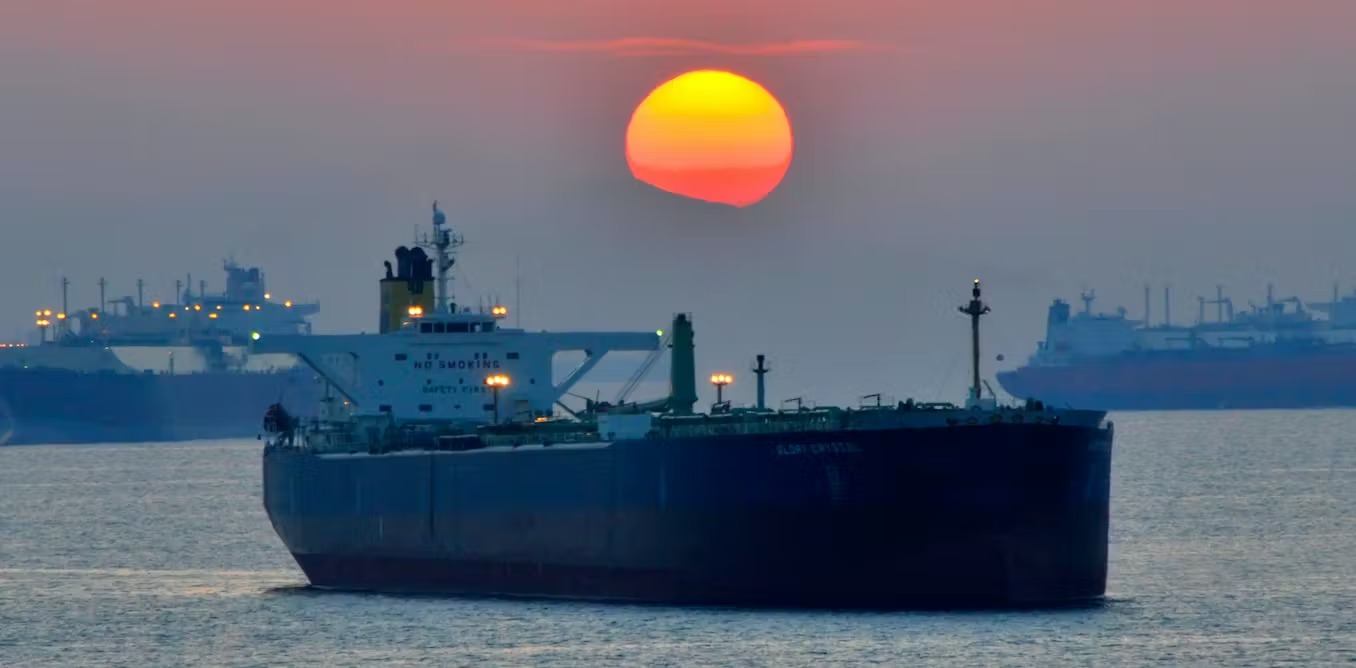
Optimism in Asian financial markets faded quickly on Thursday as early signs of instability in the Gulf ceasefire sent oil prices climbing again, reinforcing fears of a prolonged inflationary impact on the global economy. The fragile truce, which had briefly lifted investor sentiment, now appears increasingly uncertain as tensions in the region persist.
A key concern is the Strait of Hormuz, the critical waterway through which roughly one-fifth of the world's oil supply flows. Iran continues to exert significant influence over the passage, reportedly demanding tolls for safe transit. Nigel Green, CEO of deVere Group, cautioned that markets may be underestimating the risk, noting that a full blockade isn't necessary to trigger another sharp spike in oil prices. Ongoing missile activity in the Gulf and continued Israeli military engagement elsewhere in the region add further uncertainty to an already volatile situation.
Reflecting these concerns, U.S. crude futures rose 2.8% to $96.99 per barrel, while Brent crude gained 2.1% to reach $96.74. Japan's Nikkei traded near flat after surging 5.4% the previous session, while South Korea's index slipped 0.4% following a 6.8% jump. Broader Asia-Pacific equities, as tracked by MSCI's regional index, edged down 0.3%.
With oil prices still around 40% above pre-conflict levels, inflationary pressure is expected to show up increasingly in economic data worldwide. U.S. core inflation figures for February, due Thursday, were projected to rise 0.4% for a second consecutive month, even before accounting for the latest energy cost surge.
Federal Reserve meeting minutes signaled growing concern about inflation, with some policymakers open to a rate hike. Markets now price in just 7 basis points of easing for the remainder of the year. Meanwhile, the euro held steady at $1.1660 against the dollar, and gold traded flat at $4,718 per ounce after briefly touching $4,777 overnight.







