


 Wall Street Falls as Treasury Yields Surge, Oil Rebounds on Iran Tensions
  China’s ‘Lipstick King’ Says AI Won’t Replace Livestream Hosts
  Gold Prices Fall as Treasury Yields Rise on Fed Rate Hike Bets
  Oil Prices Surge as U.S.-Iran Diplomacy Hopes Fade
  RBI Uses $10 Billion Currency Swaps to Drain Excess Rupee Liquidity
  South Korea, US Discuss Warship Building Cooperation
  Gold Drops Over 1% as Dollar, Treasury Yields Surge on Fed Rate Hike Bets
  US Dollar Hits Two-Month High as Fed Rate Hike Bets Rise
  Russian Envoy Dmitriev Heads to US for Ukraine Talks
  Asian Currencies Mixed as Dollar Holds Near Two-Month High
  Australia Unemployment Hits Five-Year High Despite Strong Jobs Growth
  European Stocks Fall as Bond Yields and Geopolitical Risks Weigh
  US Stock Futures Fall as Treasury Yields Surge Ahead of Trump-Xi Summit
  U.S. Dollar Hits Two-Month High as Oil, Treasury Yields Surge
  US 10-Year Treasury Yield at 6% Emerges as New Market Risk Threshold
  Trump, Xi Focus on Trade and AI at White House Summit
  European Stocks Slip as Iran Tensions Offset Strong Eurozone Data


 Add as a preferred source on Google
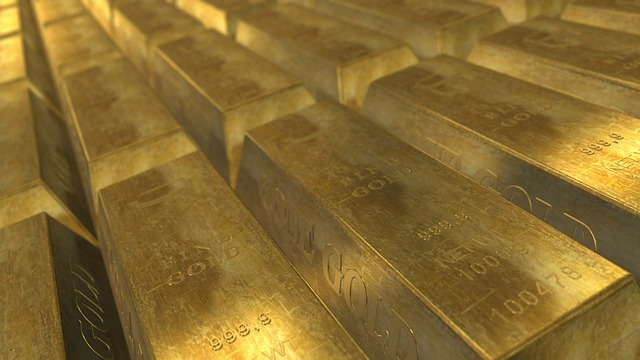
Gold prices extended their decline on Friday, falling below the key $4,000-per-ounce level as a stronger U.S. dollar and growing expectations of additional Federal Reserve interest rate hikes continued to pressure the precious metal. The latest losses put bullion on track for its fourth consecutive weekly decline, reflecting weaker investor sentiment toward non-yielding assets.
Spot gold dropped 0.7% to $3,998.74 per ounce by 23:52 ET (03:52 GMT), while U.S. gold futures slipped 0.8% to $4,015.90 per ounce. The precious metal is headed for a weekly decline of nearly 4% and has fallen approximately 12% over the course of the month, marking one of its weakest monthly performances in recent months.
The broader precious metals market also remained under pressure. Silver prices declined 2.5% to $56.44 per ounce and were on course for a sharp 13% weekly loss. Platinum eased 1.8% to $1,573.60 per ounce, extending its losing streak to seven consecutive weeks as investors continued to shift toward the U.S. dollar.
The greenback remained close to a 13-month high and was positioned for its second straight weekly gain. A stronger U.S. dollar typically makes gold more expensive for overseas buyers, reducing demand and weighing on prices. Currency strength has become one of the primary drivers behind the recent weakness in bullion.
Investor expectations for tighter U.S. monetary policy also intensified following the release of the latest inflation data. The U.S. Personal Consumption Expenditures (PCE) Price Index, the Federal Reserve’s preferred inflation measure, rose 4.1% year-over-year in May. The reading marked the highest level in more than three years and the first time inflation has exceeded 4% since 2023, reinforcing concerns that price pressures remain persistent.
Following the inflation report, financial markets increased expectations that the Federal Reserve could raise interest rates again in the coming months. According to the CME FedWatch Tool, traders currently assign a 63% probability of a Fed rate hike by September.
Higher interest rates generally reduce the attractiveness of gold because the metal does not generate interest or dividend income. As bond yields and cash returns improve, investors often shift capital away from bullion toward interest-bearing assets, placing additional downward pressure on gold prices.
Despite the bearish macroeconomic backdrop, geopolitical tensions helped prevent a steeper decline. Investors continued monitoring developments in the Middle East after reports emerged that a cargo vessel came under attack near the Strait of Hormuz. The incident revived some safe-haven demand for gold, even as markets assessed the durability of a preliminary U.S.-Iran peace agreement.
Although geopolitical uncertainty typically supports precious metals, the renewed safe-haven buying proved insufficient to offset the combined impact of a stronger dollar and rising expectations for additional Fed tightening.
With inflation remaining elevated, the U.S. dollar maintaining its upward momentum, and investors closely watching future Federal Reserve policy decisions, gold prices are likely to remain sensitive to upcoming economic data and geopolitical developments. Market participants will continue monitoring inflation trends, interest rate expectations, and global risk events for further direction in the precious metals market.







