


 Russian Envoy Dmitriev Heads to US for Ukraine Talks
  RBI Uses $10 Billion Currency Swaps to Drain Excess Rupee Liquidity
  Asian Currencies Mixed as Dollar Holds Near Two-Month High
  Oil Prices Ease as Iran Tensions Clash With Diplomacy Hopes
  Trump, Xi Focus on Trade and AI at White House Summit
  Oil Prices Jump 3% as Houthi Attack Revives Supply Fears
  US Dollar Hits Two-Month High as Fed Rate Hike Bets Rise
  U.S. Treasury Yields Surge as 30-Year Hits 22-Year High
  Gold Prices Fall as Treasury Yields Rise on Fed Rate Hike Bets
  Japan Private-Sector Growth Slows as Domestic Demand Weakens
  European Stocks Slip as Iran Tensions Offset Strong Eurozone Data
  Fed Unveils Stablecoin Rules Under GENIUS Act
  US, China Extend Trade Truce to Jan. 10 Ahead of Trump-Xi Summit
  Gold Drops Over 1% as Dollar, Treasury Yields Surge on Fed Rate Hike Bets
  China’s ‘Lipstick King’ Says AI Won’t Replace Livestream Hosts
  European Stocks Fall as Bond Yields and Geopolitical Risks Weigh


 Add as a preferred source on Google
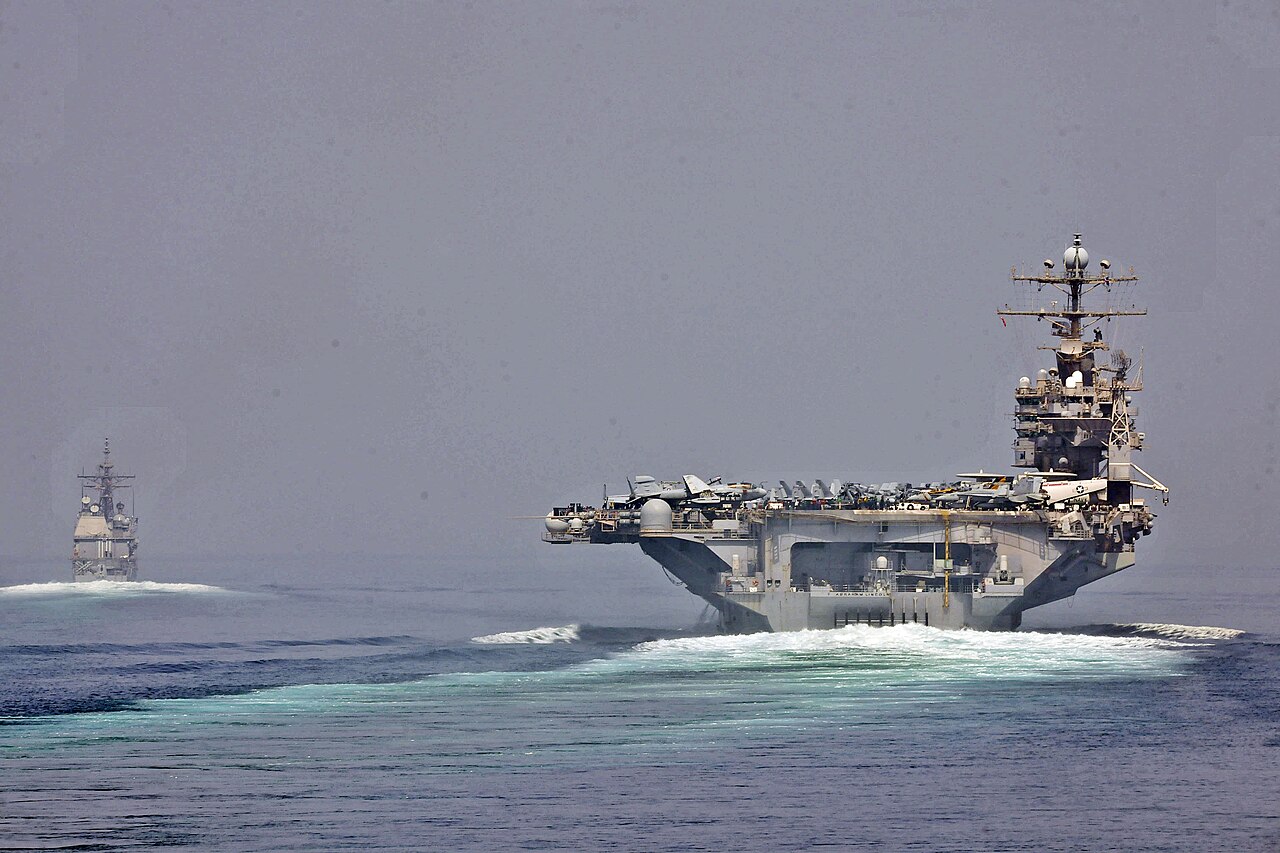
Global oil prices recovered on Thursday after falling to levels seen before the Iran conflict, as renewed security concerns in the Strait of Hormuz revived market uncertainty. Reports of an attack on a commercial vessel near Oman, along with ongoing disagreements between the United States and Iran over shipping tolls, helped lift crude benchmarks after several sessions of losses.
Brent crude futures for September delivery climbed 1.7% to $75.14 per barrel, while U.S. West Texas Intermediate (WTI) crude for August gained 1.7% to $71.53 per barrel. The rebound followed Wednesday’s sharp decline, when both contracts settled at their lowest levels since late February, effectively erasing the geopolitical premium that had pushed Brent close to $120 per barrel during the height of the conflict.
Analysts at JPMorgan, led by Bruce Kasman, said the global energy market appears to be balancing faster than expected. The bank now forecasts Brent crude to average around $80 per barrel during the second half of 2026 as supply and demand conditions stabilize.
Market sentiment shifted after the United Kingdom Maritime Trade Operations (UKMTO) reported that a cargo ship sailing through the Strait of Hormuz near Oman was struck by an unidentified projectile. While the vessel's bridge sustained damage, no injuries were reported. According to The Wall Street Journal, U.S. officials identified the vessel as a Singapore-flagged cargo ship allegedly targeted by Iran’s Islamic Revolutionary Guard Corps.
Following the incident, Iran’s Persian Gulf Strait Authority warned that ships using routes outside officially designated channels would not receive safe passage guarantees or insurance protection. The statement raised fresh concerns about maritime security in one of the world's most critical oil shipping lanes.
Despite the warning, tanker activity through the Strait of Hormuz has improved in recent days. Data from Kpler showed that confirmed vessel crossings doubled to 70 on Wednesday, suggesting commercial traffic has continued despite heightened tensions.
Meanwhile, U.S. Secretary of State Marco Rubio concluded meetings with Gulf Cooperation Council (GCC) leaders, where officials reaffirmed support for unrestricted navigation through the Strait of Hormuz. A joint statement emphasized that free passage remains essential for global energy security and rejected any attempt to impose tolls or restrict transit through the strategic waterway.
Rubio dismissed Iran’s discussion of charging transit fees as largely rhetorical, stating that the United States would judge the situation based on whether commercial ships continue moving safely. He warned that any actions disrupting maritime traffic would violate the recent U.S.-Iran agreement and could trigger a stronger response.
The latest developments have once again placed the Strait of Hormuz at the center of global oil market attention. As traders monitor shipping activity, diplomatic efforts, and regional security, crude oil prices are expected to remain highly sensitive to any escalation in the Gulf.







