


 Dollar Hits Two-Month High as Fed Rate Hike Bets Rise
  BOJ Set for Rate Hike as Inflation and Yen Pressure Mount
  Fed Rate Hike Threatens Housing as U.S. Growth Leans on AI, Citi Says
  Yen Extends Gains as BOJ Rate Hike Bets Rise
  Central Banks Could Buy 20,000 Tonnes of Gold: BofA
  Mexico-US Trade Talks Delayed to October as Tariff Negotiations Continue
  ECB Rate Hike in Focus as Oil Tops $100
  Oil Prices Ease as Iran Tensions Clash With Diplomacy Hopes
  RBI Uses $10 Billion Currency Swaps to Drain Excess Rupee Liquidity
  Russian Envoy Dmitriev Heads to US for Ukraine Talks
  Yen Sinks as BOJ Rate Hike Fails to Impress Markets
  US Stock Futures Fall as Treasury Yields Surge Ahead of Trump-Xi Summit
  US 10-Year Treasury Yield at 6% Emerges as New Market Risk Threshold
  European Stocks Fall as Bond Yields and Geopolitical Risks Weigh


 Add as a preferred source on Google
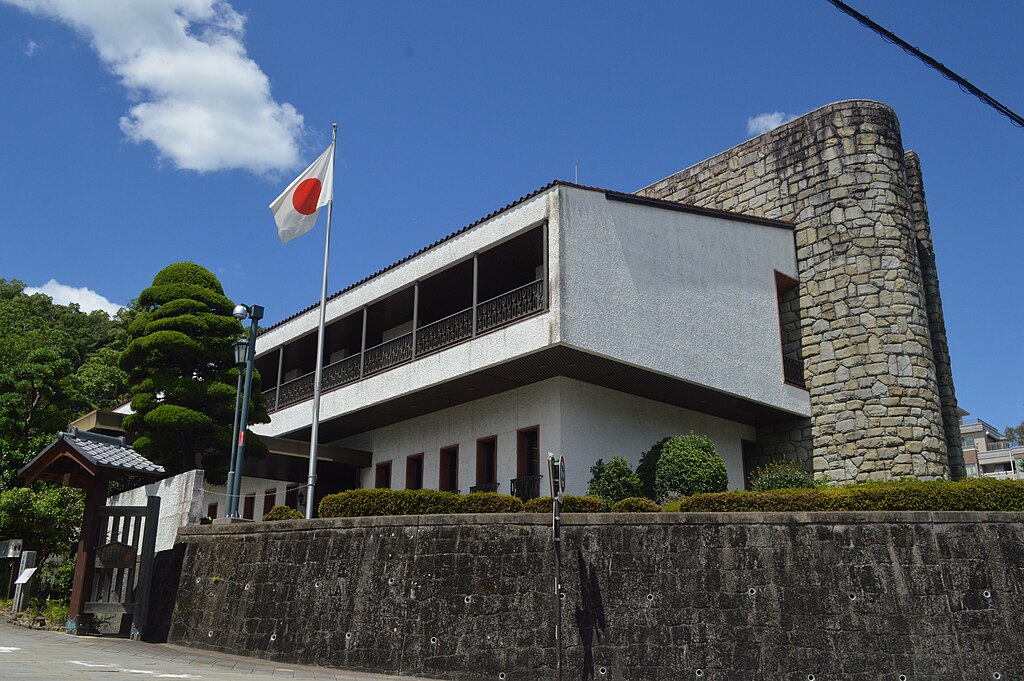
Bank of Japan (BOJ) board member Naoki Tamura has called for the central bank to continue raising interest rates every few months, while remaining prepared to accelerate the pace of tightening if inflation risks continue to grow. His remarks reflect increasing concern within the BOJ over persistent inflation and the economic impact of recent geopolitical tensions.
Tamura’s comments follow the BOJ’s decision earlier this month to increase its benchmark interest rate to 1%, the highest level seen in 31 years. The move comes as inflationary pressures intensify due to higher energy costs linked to the Middle East conflict, a tight labor market, and rising import prices caused by the weak Japanese yen.
Speaking to business leaders in Kobe, Tamura explained that Japanese companies are now passing rising import costs on to consumers more rapidly and broadly than they did after Russia’s invasion of Ukraine in 2022. He noted that businesses have become more willing to adjust prices, contributing to stronger inflation momentum across the economy.
According to Tamura, Japan’s underlying inflation has already reached the BOJ’s long-term target of 2%, while inflation expectations continue to climb. He said his baseline outlook is for the central bank to raise interest rates by 0.25 percentage points every few months until the policy rate approaches the estimated neutral level of around 2%.
Tamura also stressed that if inflation risks increase further, the BOJ should not hesitate to speed up the tightening cycle by raising rates more frequently or implementing larger hikes. Although his stance is considered more hawkish than many of his fellow policymakers, it highlights growing concern within the central bank that inflation could remain above target for an extended period.
Despite easing crude oil prices following signs of reduced tensions in the Middle East, the Japanese yen remains close to multi-decade lows against the U.S. dollar. The weak currency continues to push up import costs and adds pressure on the BOJ to narrow the interest rate gap with the United States.
However, additional monetary tightening could face political challenges. A draft of Japan’s long-term economic strategy indicates the government prefers policies that support domestic demand and keep borrowing costs relatively low.
The BOJ’s next policy meeting is scheduled for July 30–31, where markets widely expect officials to leave interest rates unchanged while updating their economic and inflation forecasts. Investors will closely examine the outlook for clues on when the next rate increase may occur. A recent Reuters survey conducted before the June rate hike showed that most economists expect the BOJ to raise rates again to 1.25% during the fourth quarter of the year.







