


 Wall Street Falls as Treasury Yields Surge, Oil Rebounds on Iran Tensions
  Russian Envoy Dmitriev Heads to US for Ukraine Talks
  FxWirePro- Crypto Weekly Alpha: ETF Rebounds, L2 Rallies & Key Resistance Levels
  China’s ‘Lipstick King’ Says AI Won’t Replace Livestream Hosts
  US Dollar Hits Two-Month High as Fed Rate Hike Bets Rise
  RBI Uses $10 Billion Currency Swaps to Drain Excess Rupee Liquidity
  Who should own the knowledge that underpins AI technology?
  Fed Unveils Stablecoin Rules Under GENIUS Act
  South Korea, US Discuss Warship Building Cooperation
  AI is supercharging money scams – here’s what you can do to protect yourself


 Add as a preferred source on Google
China's automotive market may be approaching a turning point after a challenging second quarter, according to Morgan Stanley, although the investment bank expects any significant recovery in vehicle demand to emerge only toward the end of the summer.
In a recent research note, Morgan Stanley said its latest channel checks and discussions with industry participants indicate that sales across China's auto sector have begun to stabilize. Despite the improving trend, analysts cautioned that consumer demand remains relatively weak, leaving few near-term catalysts that could meaningfully boost earnings for automakers.
The brokerage believes investor sentiment has become more negative than the industry's actual fundamentals justify. Analysts noted that market attention has largely shifted toward artificial intelligence-related stocks, causing many automotive shares to be overlooked despite signs of improving operating conditions.
Morgan Stanley expects June vehicle sales to outperform what headline figures may initially suggest. The improvement is expected to be supported by extended mid-year promotional campaigns, continued government subsidies, license-plate incentives offered in select Chinese cities, and lower fuel prices that have encouraged consumer purchases.
For the second quarter, the bank forecasts passenger vehicle wholesale deliveries of between 6.7 million and 6.9 million units. That represents a year-over-year decline of approximately 3% to 5%, a noticeable improvement compared with the roughly 8% contraction recorded during the first quarter.
Looking ahead, Morgan Stanley expects July to remain seasonally weak. However, analysts anticipate stronger momentum in August and September as new vehicle launches, supportive government policies, and seasonal buying patterns combine to stimulate demand across the Chinese auto market.
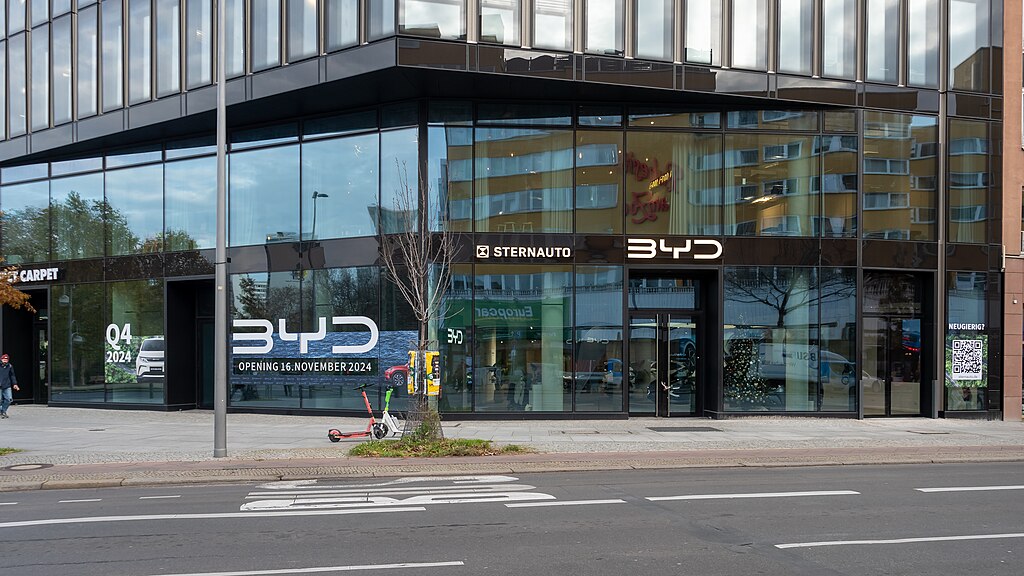
Among Chinese automakers, Morgan Stanley identified BYD and Geely Automobile as companies that are well positioned to benefit from an industry recovery. The bank also described Xpeng as an event-driven investment opportunity, with future performance likely tied to company-specific developments and product announcements.
The research note added that the mass-market vehicle segment, particularly models priced around 150,000 yuan (approximately $20,900), could regain momentum during the second half of the year. Continued electric vehicle adoption and the introduction of competitive new models are expected to support this segment.
However, Morgan Stanley warned that premium and luxury automotive brands continue to face growing competitive pressure in China. To remain competitive, automakers targeting higher-end buyers will likely need stronger electric vehicle platforms, more advanced driver-assistance technologies, and attractive residual value guarantees as competition across the world's largest auto market continues to intensify.







