


 DOJ Will Investigate AI-Related Crimes, Attorney General Blanche Says
  North Korea Fires Two Ballistic Missiles From Wonsan
  Pentagon Restarts Testosterone Testing for US Troops
  Trump Administration Removes Confederate Memorial Criticism From Arlington Website
  OpenAI Rejects Apple Trade Secret Theft Claims
  Trump, Iran Trade Threats as Middle East Tensions Escalate
  Paramount Skydance Faces $30 Million Film Penalty in Warner Bros. Deal
  FDA Weighs Safety Standards for Psychedelic Therapies
  Judge Blocks Trump Rule Limiting Foreign Student Visas
  Canada Unveils Bill to Fast-Track Major Resource Projects
  SEC Seeks ISS Client Voting Records in Proxy Adviser Probe
  Trump’s Arlington Arch Project Faces New Court Restrictions
  Diana’s Brother Backs Security for Harry and Meghan
  Lula Meets Mamdani in New York as Elections Approach
  Meta Agrees to $18 Billion Settlement, Tightens Teen Social Media Rules
  Judge Rejects Minnesota Bid to Force ICE Agent Extradition


 Add as a preferred source on Google
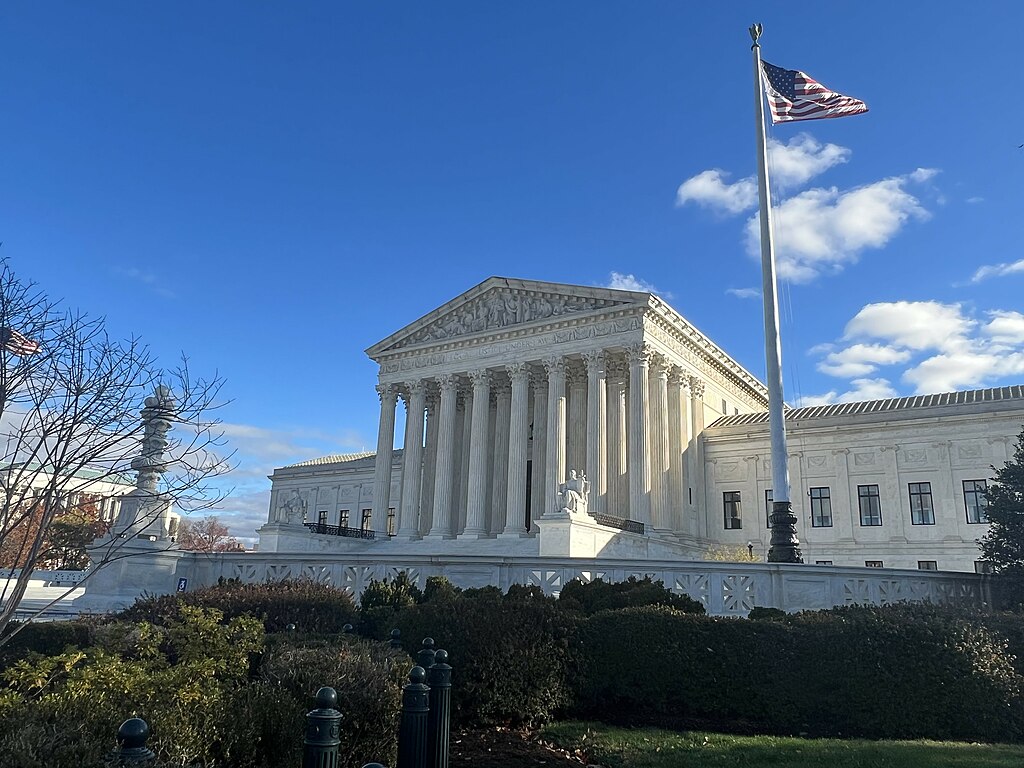
The U.S. Supreme Court has ruled that a Hawaii law restricting licensed handgun owners from carrying firearms on private property open to the public without the owner's explicit permission violates the Second Amendment. The 6-3 decision, led by the court's conservative majority, marks another significant expansion of gun rights in the United States and could affect similar firearm laws in several other states.
Justice Samuel Alito, writing for the majority, said Hawaii's law unfairly limited the constitutional right of Americans to carry firearms for self-defense during everyday activities. The ruling overturns a lower court decision that had previously upheld the law and was supported before the Supreme Court by the Trump administration.
The legal challenge was filed by three Hawaii residents with concealed-carry permits and a Honolulu-based gun rights organization after Governor Josh Green signed the measure into law in 2023. The law required gun owners to receive express authorization before bringing a handgun onto private businesses or other privately owned locations accessible to the public.
The court's three liberal justices dissented. Justice Ketanji Brown Jackson argued that the majority had stretched previous Supreme Court rulings beyond their intended scope, claiming the decision places firearm access above legislative authority. Justice Sonia Sotomayor joined her dissent.
Gun control advocates also criticized the ruling. Giffords Law Center stated that Hawaii's law respected the rights of private property owners to determine whether firearms should be allowed on their premises. However, the group noted that property owners may still have legal options to prohibit guns on their property.
Hawaii officials expressed disappointment but pledged to continue pursuing firearm regulations that comply with the Constitution while prioritizing public safety.
The Supreme Court's decision builds on its landmark 2022 ruling in New York State Rifle & Pistol Association v. Bruen, which expanded the right to carry handguns outside the home for self-defense and established that firearm restrictions must align with the nation's historical tradition of gun regulation. The court did not address separate challenges involving Hawaii's restrictions on carrying firearms in locations such as beaches, bars, and other designated sensitive places.







