


 US Stock Futures Fall as Treasury Yields Surge Ahead of Trump-Xi Summit
  Soybean Futures Slip as Traders Await Trump-Xi Trade Signals
  Asian Stocks Fall as Bond Yields Surge Ahead of Trump-Xi Summit
  Australia Unemployment Hits Five-Year High Despite Strong Jobs Growth
  South Korea, US Discuss Warship Building Cooperation
  Japan Private-Sector Growth Slows as Domestic Demand Weakens
  Mexico-US Trade Talks Delayed to October as Tariff Negotiations Continue
  Oil Prices Jump 3% as Houthi Attack Revives Supply Fears
  Fed Unveils Stablecoin Rules Under GENIUS Act
  US 10-Year Treasury Yield at 6% Emerges as New Market Risk Threshold
  Gold Prices Fall as Treasury Yields Rise on Fed Rate Hike Bets
  European Stocks Fall as Bond Yields and Geopolitical Risks Weigh
  Gold Drops Over 1% as Dollar, Treasury Yields Surge on Fed Rate Hike Bets
  Russian Envoy Dmitriev Heads to US for Ukraine Talks
  Fed Unveils Stablecoin Rules Under GENIUS Act
  China’s ‘Lipstick King’ Says AI Won’t Replace Livestream Hosts
  Oil Prices Ease as Iran Tensions Clash With Diplomacy Hopes


 Add as a preferred source on Google
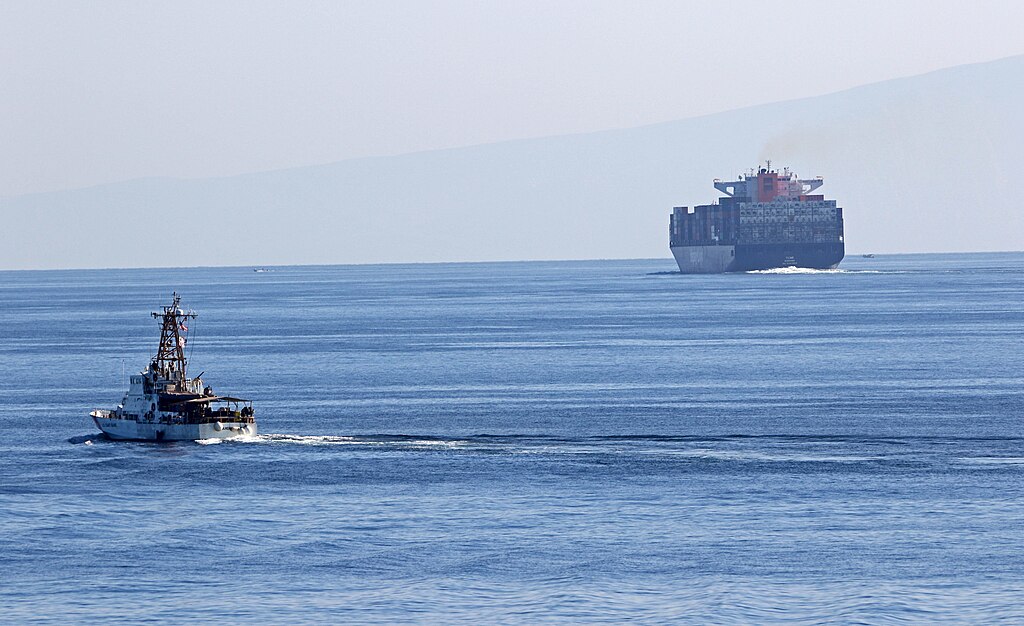
Global oil prices continued to decline on Thursday, reaching levels close to those seen before tensions escalated between Iran and its regional rivals. The sharp drop in crude prices reflects growing confidence that oil supplies from the Middle East are recovering faster than expected, easing concerns over potential disruptions.
Brent crude futures for August delivery fell by $1.22, or 1.65%, to $72.52 per barrel, while U.S. West Texas Intermediate (WTI) crude declined $1.02, or 1.45%, to $69.32 per barrel. Both benchmark oil contracts touched their lowest levels since late February, highlighting a significant shift in market sentiment.
Analysts noted that Brent's August contract traded below the September contract, a market signal indicating ample short-term oil supply. According to IG market analyst Tony Sycamore, traders have rapidly adjusted expectations as Middle Eastern crude exports returned more quickly than anticipated.
Investor confidence also improved after U.S. Energy Secretary Chris Wright confirmed that oil shipments through the Strait of Hormuz have nearly returned to pre-conflict levels. He revealed that more than 20 million barrels of crude passed through the strategic waterway over the past 24 hours, although complete normalization may take several weeks while demining operations continue.
Adding further pressure on oil prices, Iran is expected to increase crude exports following a temporary easing of U.S. sanctions. Meanwhile, Oman has introduced temporary shipping routes to help oil tankers move more efficiently through the Strait of Hormuz. Diplomatic discussions involving Oman, Qatar, Iran, Iraq, and Gulf nations are also underway to improve long-term stability in the region.
Macquarie analysts expect crude oil prices to continue normalizing during the third quarter, forecasting Brent crude to average around $67 per barrel and WTI approximately $62 per barrel. Despite U.S. crude inventories falling to their lowest level since 1984 due to strong refinery demand and government reserve releases, the market remained focused on improving Middle East supply conditions rather than domestic stockpiles.
With geopolitical risks easing and oil exports steadily recovering, traders expect global crude markets to remain well supplied, keeping downward pressure on Brent crude and WTI prices in the near term.







