


 US 10-Year Treasury Yield at 6% Emerges as New Market Risk Threshold
  RBI Uses $10 Billion Currency Swaps to Drain Excess Rupee Liquidity
  Australia Unemployment Hits Five-Year High Despite Strong Jobs Growth
  Wall Street Ends Flat as Oil, Treasury Yields and Fed Jitters Rattle Markets
  European Stocks Fall as Bond Yields and Geopolitical Risks Weigh
  Gold Prices Fall as Treasury Yields Rise on Fed Rate Hike Bets
  Wall Street Falls as Treasury Yields Surge, Oil Rebounds on Iran Tensions
  Trump, Xi Focus on Trade and AI at White House Summit
  Asian Currencies Mixed as Dollar Holds Near Two-Month High
  Oil Prices Jump 3% as Houthi Attack Revives Supply Fears
  Mexico-US Trade Talks Delayed to October as Tariff Negotiations Continue
  Dollar Hits Two-Month High as Fed Rate Hike Bets Rise
  US, China Extend Trade Truce to Jan. 10 Ahead of Trump-Xi Summit
  US Stock Futures Fall as Treasury Yields Surge Ahead of Trump-Xi Summit
  European Stocks Slip as Iran Tensions Offset Strong Eurozone Data
  Gold Drops Over 1% as Dollar, Treasury Yields Surge on Fed Rate Hike Bets
  Soybean Futures Slip as Traders Await Trump-Xi Trade Signals


 Add as a preferred source on Google
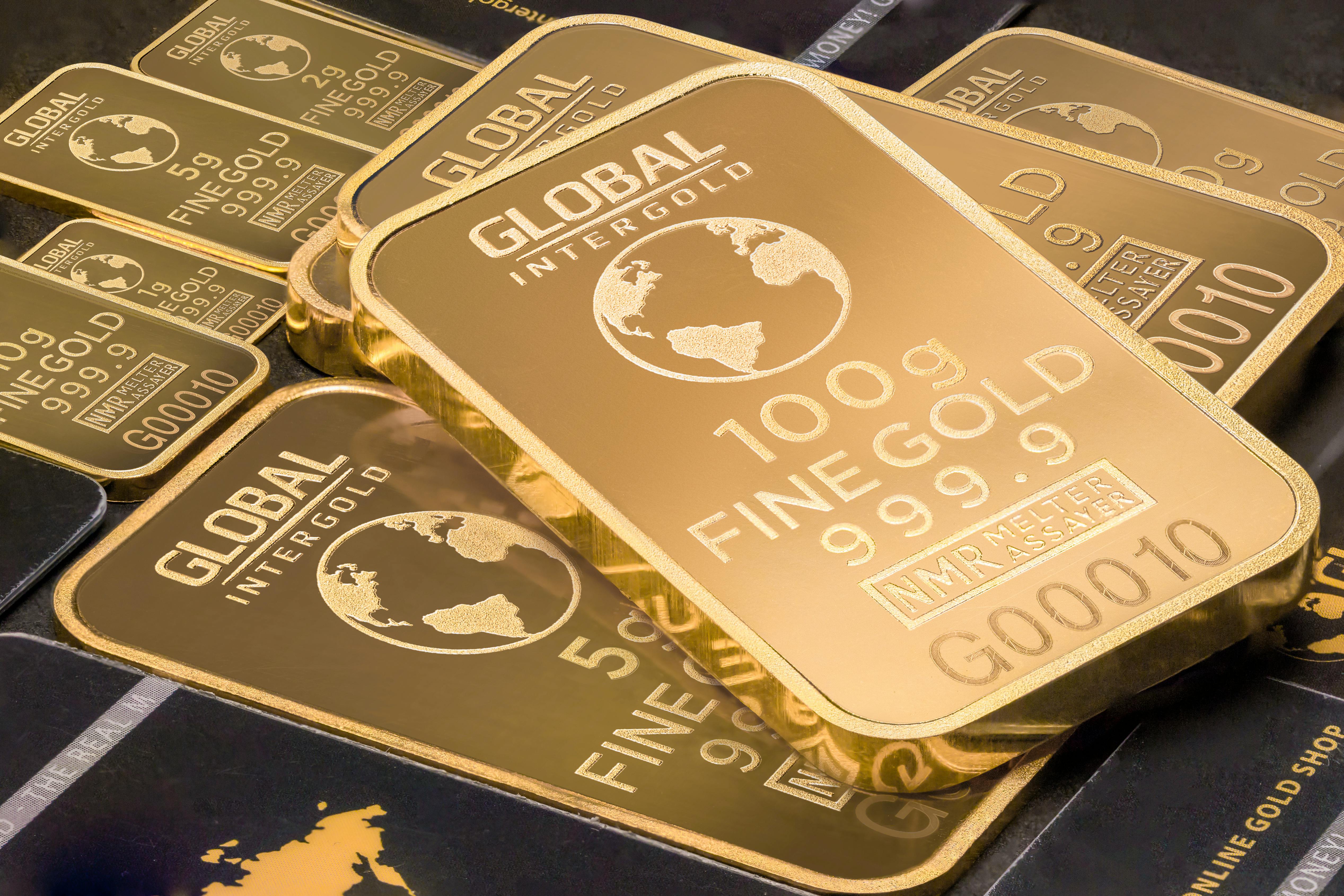
Gold prices extended their losses on Wednesday, with spot gold dropping below the key $4,000 per ounce level for the first time since November 2025. The decline came as a stronger U.S. dollar and renewed expectations of Federal Reserve interest rate hikes reduced demand for the precious metal, despite easing inflation concerns driven by lower oil prices.
Spot gold fell 2.7% to close at $3,999.21 per ounce, while gold futures declined 3.2% to settle at $4,016.40 per ounce. The stronger greenback and expectations of tighter monetary policy continued to pressure non-yielding assets such as gold.
The Federal Reserve recently adopted a more hawkish stance, with updated economic projections indicating that several policymakers now expect interest rate hikes later this year to combat inflation linked to earlier oil price spikes during the Middle East conflict. Higher interest rates typically strengthen the U.S. dollar and increase Treasury yields, making gold less attractive to investors.
However, easing geopolitical tensions have helped reduce inflation fears. Oil prices continued to decline after the Strait of Hormuz reopened and shipping activity normalized. Brent crude fell to its lowest level since late February, encouraging investors to slightly scale back expectations for aggressive Fed tightening. Treasury yields also eased as bond markets stabilized, while traders now await the upcoming U.S. Personal Consumption Expenditures (PCE) inflation report for fresh signals on the Fed’s next policy move.
Other precious metals also posted sharp losses. Spot silver plunged 6.8% to $57.43 per ounce, marking its steepest one-day decline this month, while platinum dropped 4.8% to $1,582.60 per ounce. Analysts noted that silver could face additional downside if key support levels fail to hold, although renewed buying interest could emerge if market conditions improve.
Meanwhile, geopolitical developments continued to support lower energy prices. Increased shipping through the Strait of Hormuz eased supply disruption concerns following the interim peace agreement between the United States and Iran. Data showed shipping traffic recovering steadily, while U.S. officials confirmed that technical nuclear negotiations with Iran will resume in Switzerland next week. Pakistan and Oman remain key mediators in the ongoing diplomatic discussions.
With gold facing pressure from a resilient U.S. dollar, shifting Federal Reserve expectations, and cooling geopolitical risks, investors remain focused on upcoming economic data for clues about the future direction of interest rates and precious metal prices.







