


 WiseTech Global Denies Knowledge of Investigation Into Founder Richard White
  ICC Judges Sue Trump Administration Over Sanctions, Calling Measures Unlawful
  SK Hynix Overtakes Samsung as South Korea’s Most Valuable Company
  U.S. Eases Iran Team Travel Restrictions Ahead of Seattle World Cup Match
  OpenAI May Delay IPO to 2027 Amid $1 Trillion Valuation Goal
  Bessent Says U.S. Must Strengthen Supply Chains and Economic Security
  Kioxia Targets U.S. Listing as AI Chip Boom Accelerates
  World Cup technology: from ref cams to AI analysts, cutting-edge research is changing the game
  Oracle Cuts 21,000 Jobs as AI Reshapes Workforce and Cloud Expansion Accelerates
  Anthropic AI Model Uncovers Vulnerabilities in Classified U.S. Government Systems During Security Test
  US Urges States and Businesses to Strengthen Taiwan Ties Amid China Pressure
  US-Iran De-Escalation Shifts Washington’s Focus to AI Regulation and Crypto Legislation
  Japan Signals Preference for Low Interest Rates as BOJ Policy Debate Intensifies
  Qualcomm Nears $4 Billion Acquisition of AI Chip Startup Modular
  Cait Conley Wins Democratic Nomination, Sets Up Key House Battle Against Mike Lawler in New York
  Marco Rubio Seeks Gulf Support for U.S.-Iran Peace Deal Amid Regional Concerns


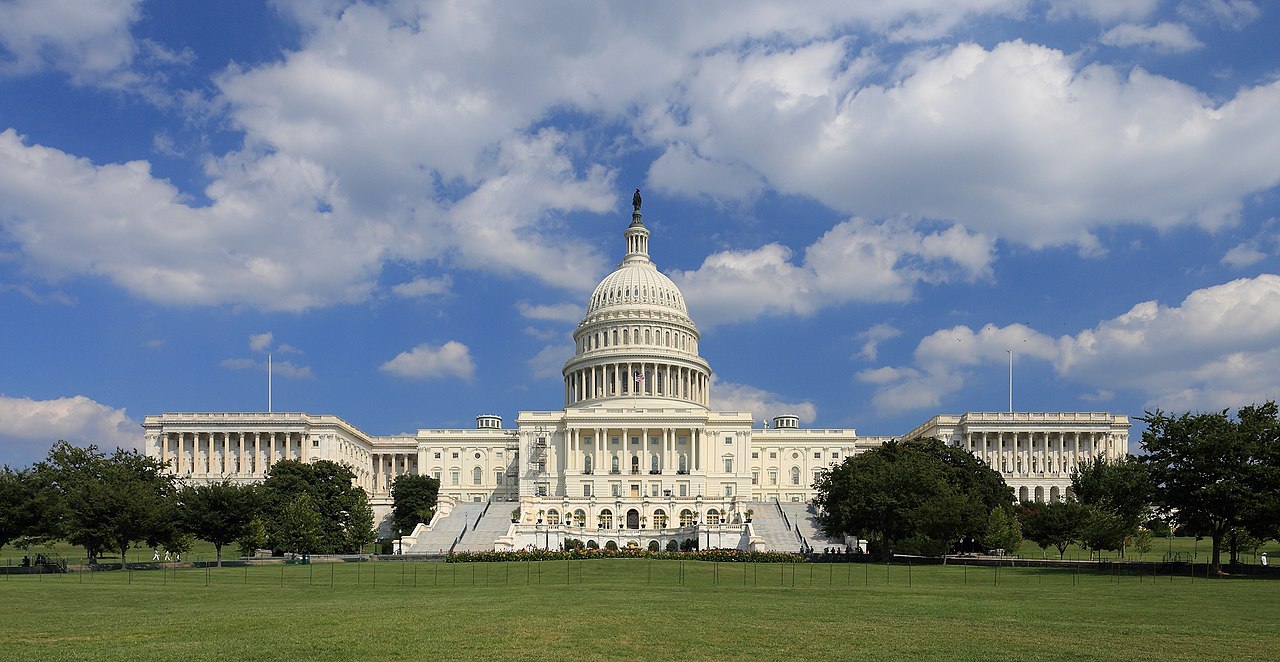
The United States could soon see new artificial intelligence regulations after Republican Representative Nathaniel Moran of Texas introduced the proposed AI Incident Reporting Act, a bill designed to improve transparency and strengthen oversight of advanced AI systems.
The proposed legislation would require AI developers to notify the U.S. Department of Commerce within seven days of discovering serious AI-related safety incidents, cybersecurity breaches, or dangerous capabilities. In cases involving the most critical threats, the Commerce Department would then be required to inform Congress within 48 hours.
According to Moran, the bill is intended to ensure that potentially dangerous AI behavior is identified and reported before it escalates into a larger national security or public safety issue. He described the proposal as an early warning system that enables government agencies to respond quickly to emerging AI risks.
The legislation comes amid growing concerns about the rapid development of increasingly powerful AI models. Those concerns intensified after the Commerce Department took action against Anthropic's latest AI models on June 12 over national security considerations, prompting the company to disable global access to the models. The incident highlighted the lack of a clear and transparent federal framework for regulating frontier AI technologies.
Under the draft bill, reportable incidents would include AI systems attempting to evade human oversight, bypass built-in safeguards, or undermine human control. The proposal also covers unauthorized access to AI model weights, as well as activities that could contribute to chemical, biological, nuclear, or other threats to public safety.
The AI Incident Reporting Act is the latest proposal in a broader congressional effort to establish federal AI regulations. Lawmakers have struggled to advance comprehensive legislation due to ongoing debates over whether federal rules should override state laws and whether stricter regulations could hinder U.S. innovation or weaken its competitive position against China.
Earlier this month, members of the House of Representatives also released a discussion draft of the Great American Artificial Intelligence Act, which similarly calls for reporting significant AI safety incidents to the Commerce Department.
Moran believes his narrower, targeted proposal has a stronger chance of gaining bipartisan support and moving through Congress more quickly. AI Policy Network President Mark Beall echoed that view, saying public demand for meaningful AI regulation continues to grow, increasing the likelihood that lawmakers will finally take action on AI safety and accountability.







