


 Marco Rubio to Meet Russia’s Lavrov in New York
  Lula Meets Mamdani in New York as Elections Approach
  Trump Says U.S.-Iran Peace Deal Near After UN Talks
  Zelenskiy Warns Russia Preparing Major Attack on Ukraine
  Paramount-Warner Bros $110 Billion Deal Draws Antitrust Backlash
  UK, Mauritius Seek Diego Garcia Base Deal
  US, Japan and South Korea Back Taiwan Ahead of Trump-Xi Summit
  Trump to Press Xi on Release of US Nuclear Expert Held in China
  Trump Says ‘Freedom’ Is Coming to Cuba
  Trump Scales Back Endangered Species Act Protections
  Russian Strikes Kill Eight Across Ukraine as Energy Sites Hit
  Taiwan Vows to Advance US Arms Sales Ahead of Trump-Xi Meeting
  US, Denmark and Greenland Set to Sign Arctic Security Deal
  Vietnam, US Trade Deal Could Be Signed Soon, To Lam Says
  US Plans Two New Military Bases in Greenland Under Arctic Deal
  China Tightens Fentanyl Rules Ahead of Trump-Xi Summit
  Trump Meets Venezuela’s Delcy Rodriguez at UN Assembly


 Add as a preferred source on Google
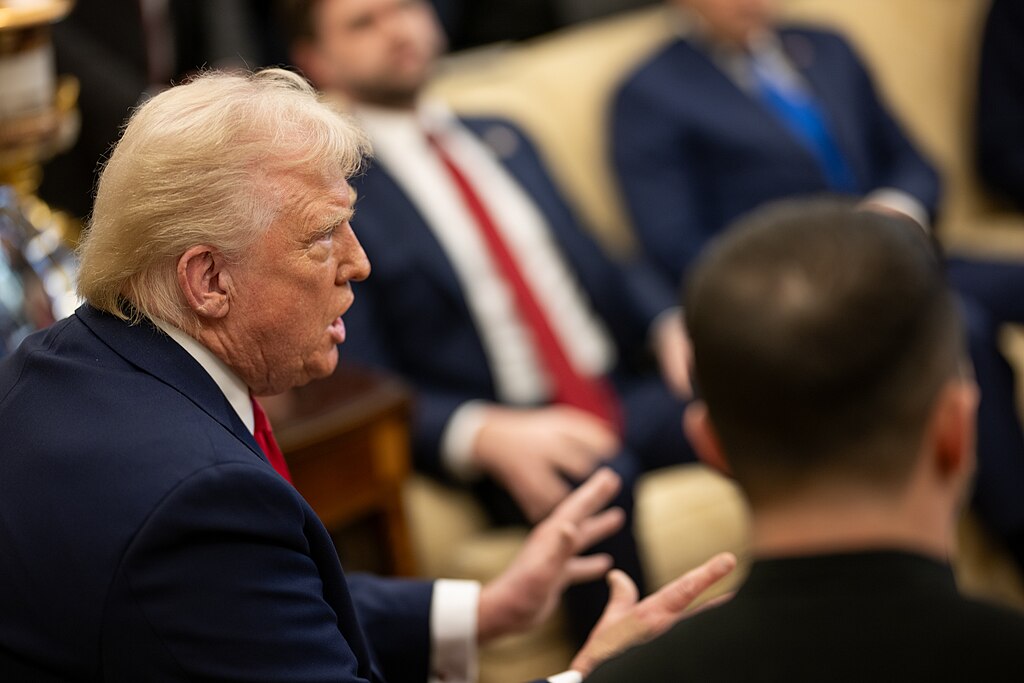
President Donald Trump's administration is pushing back against claims of internal divisions over its Iran strategy after comments from Vice President JD Vance and Secretary of State Marco Rubio appeared to reflect different approaches to the Middle East, particularly regarding Israel and the ongoing U.S.-Iran peace efforts.
The White House has consistently emphasized that the administration is united behind President Trump's objective of preventing Iran from obtaining a nuclear weapon. However, recent public remarks by Vance and Rubio have sparked debate over whether differing foreign policy perspectives exist within the administration.
Last week, Vance criticized Israeli voices that opposed the preliminary U.S.-Iran agreement reached on June 17. He argued that Israeli military strikes targeting civilian infrastructure in Beirut, aimed at weakening Hezbollah, risked undermining Washington's diplomatic efforts to stabilize the region. During his recent trip to Switzerland for talks with Iranian officials, Vance expressed optimism about negotiations and suggested Gulf nations could eventually play a role in financing Iran's reconstruction. He also discussed the possibility of improving U.S.-Iran relations, revealing that Washington had invited an Iranian intelligence official to serve as a deconfliction liaison with the Pentagon in Qatar.
Rubio, meanwhile, traveled to the United Arab Emirates, Kuwait, and Bahrain to reassure Gulf allies that the interim agreement with Tehran would not compromise their security interests. Unlike Vance, Rubio stressed that reconstruction assistance for Iran remains a distant consideration and insisted any final agreement must fully protect both U.S. interests and those of its regional allies. He also defended Israel's military operations in Lebanon, describing them as a legitimate response to Hezbollah attacks while avoiding direct criticism of Vance's earlier comments.
Despite speculation, White House spokeswoman Anna Kelly dismissed reports of disagreements, stating that the entire administration remains firmly behind President Trump. State Department spokesman Tommy Pigott also rejected suggestions of internal conflict, calling such reports false and emphasizing that administration officials are working in complete alignment with the president's foreign policy agenda.
Some foreign policy analysts remain skeptical, pointing to the officials' contrasting backgrounds. Vance built his political profile by opposing prolonged overseas military engagements, while Rubio earned a reputation in the Senate as a foreign policy hawk advocating tougher positions on countries such as Iran, Russia, and Cuba. Their differing philosophies also reflect broader divisions within the Republican Party between interventionist conservatives and those favoring a more restrained foreign policy.
A recent Reuters/Ipsos poll found that only 52% of Republican respondents believe the current conflict has strengthened the United States, highlighting ongoing debate within the party over America's role in international conflicts.
Even so, both Rubio and Vance have consistently supported President Trump's major foreign policy decisions, including military action against Iran, efforts to negotiate peace, and broader national security initiatives. When asked whether his views differed from those of the vice president, Rubio said both officials were following President Trump's leadership, reiterating that the administration remains united as negotiations with Tehran continue.







