


 South Korea, US Discuss Warship Building Cooperation
  Macron, Trump Discuss Ukraine-Russia Energy Strike Moratorium
  Canada Unveils Bill to Fast-Track Major Resource Projects
  Trump Says ‘Freedom’ Is Coming to Cuba
  Macron Challenges Trump’s Gaza Peace Claims at UN
  Zelenskiy Warns Russia Preparing Major Attack on Ukraine
  Marco Rubio to Meet Russia’s Lavrov in New York
  Russian Strikes Kill Eight Across Ukraine as Energy Sites Hit
  US Invites Putin to Miami G20, Opening Door to Trump Summit
  Trump Board of Peace Unveils $2.45 Billion Gaza Recovery Plan
  China Tightens Fentanyl Rules Ahead of Trump-Xi Summit
  Trump Meets Venezuela’s Delcy Rodriguez at UN Assembly
  Ghana Says Western Support Growing for Slave Trade Reparations
  Kremlin Says No Grounds Yet for Ukraine Peace Talks
  Scott Bessent Eyed as Trump’s New AI Czar
  US Officials Split Over Response to Israeli West Bank Settlements
  Venezuela Promises Elections as Delcy Rodriguez Pledges Democratic Transition


 Add as a preferred source on Google
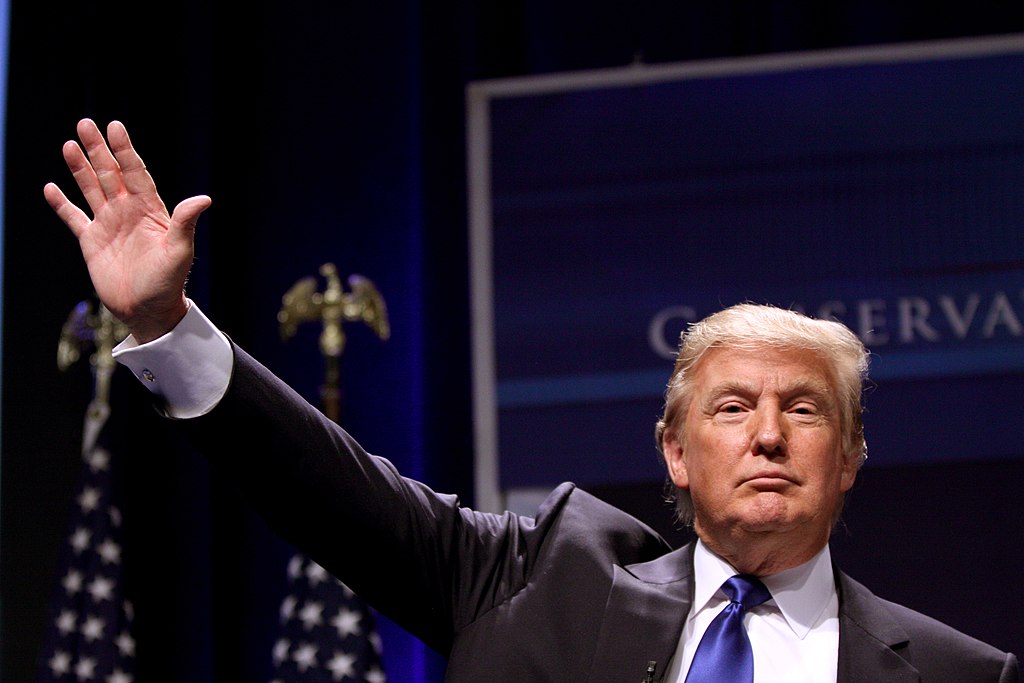
As President Donald Trump prepares to begin his second term in January 2025, the dynamics between the executive branch and Congress are poised for significant challenges. The Republican Party holds a slim majority in the House of Representatives, with 218 seats secured and four races still undecided. This narrow margin raises concerns about the administration's ability to implement its policy agenda effectively.
Cabinet Nominations Stir Controversy
President-elect Trump has announced several high-profile cabinet nominations that have sparked debate within Congress. Notably, the nomination of Matt Gaetz for Attorney General has been met with resistance due to his controversial political history and an ongoing House Ethics investigation. Senate Republicans are divided on whether to demand access to the ethics report on Gaetz, which House Speaker Mike Johnson has requested not to release. This division underscores the complexities facing the administration in securing confirmations for its nominees.
Legislative Agenda Faces Hurdles
The administration's legislative priorities, including key budget and debt ceiling decisions, may encounter significant challenges due to the slim House majority. The potential for internal party disagreements and the necessity for bipartisan support could impede the passage of critical legislation. Additionally, the temporary reduction in Republican representation, as members assume roles within the administration, necessitates special elections that might not conclude until April, further complicating the legislative process.
Public Reaction
The unfolding political landscape has elicited varied responses from the public:
-
@PoliticalObserver: "Trump's cabinet picks are a bold move, but the slim House majority could spell trouble for his agenda."
-
@CivicEngage: "Concerned about the potential for gridlock in Congress. We need cooperation, not conflict."
-
@PolicyAnalyst: "The administration's approach to nominations and legislation will be a true test of political strategy."
Conclusion
As President Trump prepares to navigate his second term, the interplay between the executive branch and a narrowly divided Congress will be pivotal in shaping the nation's policy direction. The administration's ability to secure confirmations for its nominees and advance its legislative agenda amidst internal and external challenges remains a critical focal point in the evolving political landscape.







