


 Europe Warns Russia Is Escalating Hybrid Attacks Across NATO
  China Tightens Fentanyl Rules Ahead of Trump-Xi Summit
  Macron, Trump Discuss Ukraine-Russia Energy Strike Moratorium
  Burnham Eyes UK Leadership Role in AI Ahead of Trump Meeting
  Kremlin Says No Grounds Yet for Ukraine Peace Talks
  South Korea, US Discuss Warship Building Cooperation
  Trump Meets Venezuela’s Delcy Rodriguez at UN Assembly
  Taiwan Vows to Advance US Arms Sales Ahead of Trump-Xi Meeting
  Russian Envoy Dmitriev Heads to US for Ukraine Talks
  Marco Rubio to Meet Russia’s Lavrov in New York
  Russian Strikes Kill Eight Across Ukraine as Energy Sites Hit
  Venezuela Promises Elections as Delcy Rodriguez Pledges Democratic Transition
  Gaza Faces Evacuation Crisis as War-Damaged Buildings Risk Collapse
  Canada Unveils Bill to Fast-Track Major Resource Projects
  US Officials Split Over Response to Israeli West Bank Settlements
  Lula and Flavio Bolsonaro Tied in Brazil Runoff Poll
  Trump Board of Peace Unveils $2.45 Billion Gaza Recovery Plan


 Add as a preferred source on Google
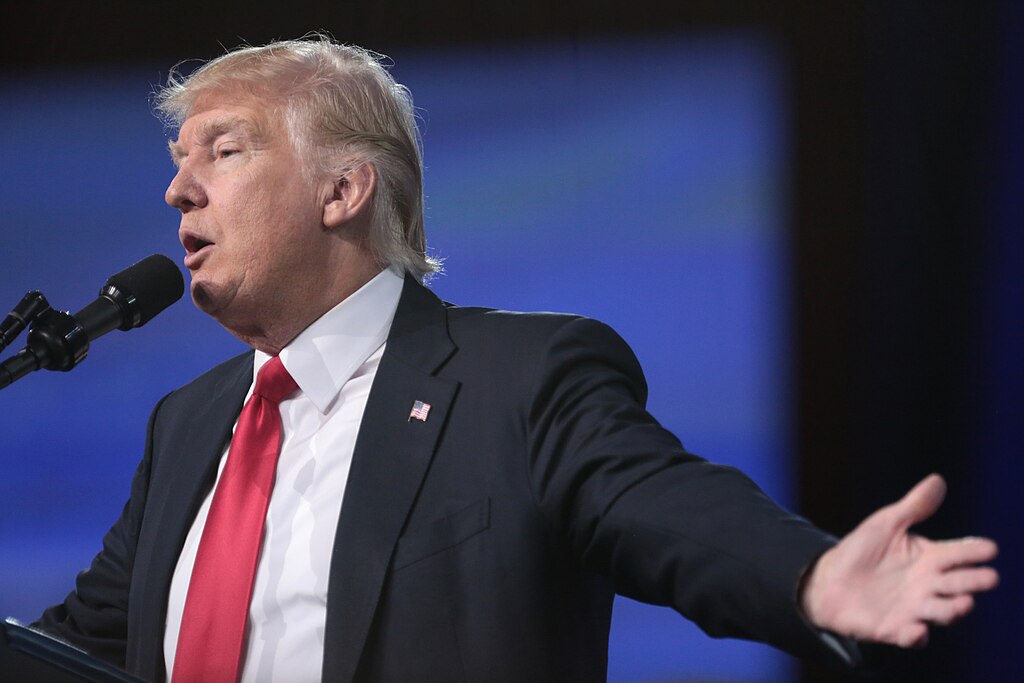
As President-elect Donald Trump prepares to assume office in January 2025, his administration is unveiling an assertive strategy to combat crime nationwide. Central to this plan is the deployment of military forces to support law enforcement in areas experiencing significant unrest, a move that has sparked considerable debate.
Military Involvement in Domestic Law Enforcement
A cornerstone of Trump's crime reduction strategy involves utilizing active-duty military personnel to assist in policing efforts within the United States. This approach aims to address escalating violence in urban centers and reinforce local law enforcement agencies. However, the proposal has raised legal and ethical concerns, particularly regarding the potential implications for civil liberties and the traditional separation between military and civilian roles.
Mass Deportation Initiatives
The administration plans to initiate a large-scale deportation program targeting undocumented immigrants with criminal records. This initiative is intended to remove individuals deemed threats to public safety. Critics argue that such measures could lead to family separations and strain community relations, while supporters believe they are necessary for national security.
Capital Punishment for Drug Offenses
Trump's plan includes advocating for the death penalty for individuals convicted of drug trafficking offenses. This policy aims to deter high-level drug crimes and address the opioid crisis. Opponents contend that it may not effectively reduce drug-related activities and could disproportionately affect marginalized communities.
Reforming the Department of Justice
The administration intends to restructure the Department of Justice (DOJ) to align more closely with its law enforcement objectives. Proposed changes include increasing oversight of federal prosecutors and revising policies related to civil rights investigations. These reforms aim to enhance accountability and efficiency within the DOJ. However, there are concerns about potential politicization of the department and the impact on its independence.
Public Reaction
The proposed crime reduction measures have elicited a range of responses:
-
@JusticeAdvocate: "Deploying the military for domestic policing sets a dangerous precedent. Civil liberties are at risk."
-
@LawEnforcementSupporter: "It's about time we take strong action against crime. Our cities need law and order restored."
-
@ImmigrationRights: "Mass deportations will tear families apart and sow fear in immigrant communities. We must find humane solutions."
Conclusion
President-elect Trump's 2025 crime reduction plan outlines a series of bold initiatives aimed at addressing public safety concerns. While supporters argue that these measures are necessary to restore order, critics caution against potential overreach and the erosion of civil liberties. As the administration moves forward, the balance between security and individual rights will remain a central point of contention.







