


 Sudan Rejects US Legitimacy Remarks, Defends Sovereignty
  Europe Warns Russia Is Escalating Hybrid Attacks Across NATO
  Ghana Says Western Support Growing for Slave Trade Reparations
  Iran Vows ‘Crushing’ Response as US Talks Continue
  US, China Extend Trade Truce to Jan. 10 Ahead of Trump-Xi Summit
  Vietnam, US Trade Deal Could Be Signed Soon, To Lam Says
  Trump Says ‘Freedom’ Is Coming to Cuba
  South Korea, US Discuss Warship Building Cooperation
  US Invites Putin to Miami G20, Opening Door to Trump Summit
  Trump Board of Peace Unveils $2.45 Billion Gaza Recovery Plan
  Macron, Trump Discuss Ukraine-Russia Energy Strike Moratorium
  Taiwan Vows to Advance US Arms Sales Ahead of Trump-Xi Meeting
  Russian Envoy Dmitriev Heads to US for Ukraine Talks
  Trump Meets Venezuela’s Delcy Rodriguez at UN Assembly
  Scott Bessent Eyed as Trump’s New AI Czar
  Zelenskiy Warns Russia Preparing Major Attack on Ukraine
  US Officials Split Over Response to Israeli West Bank Settlements


 Add as a preferred source on Google
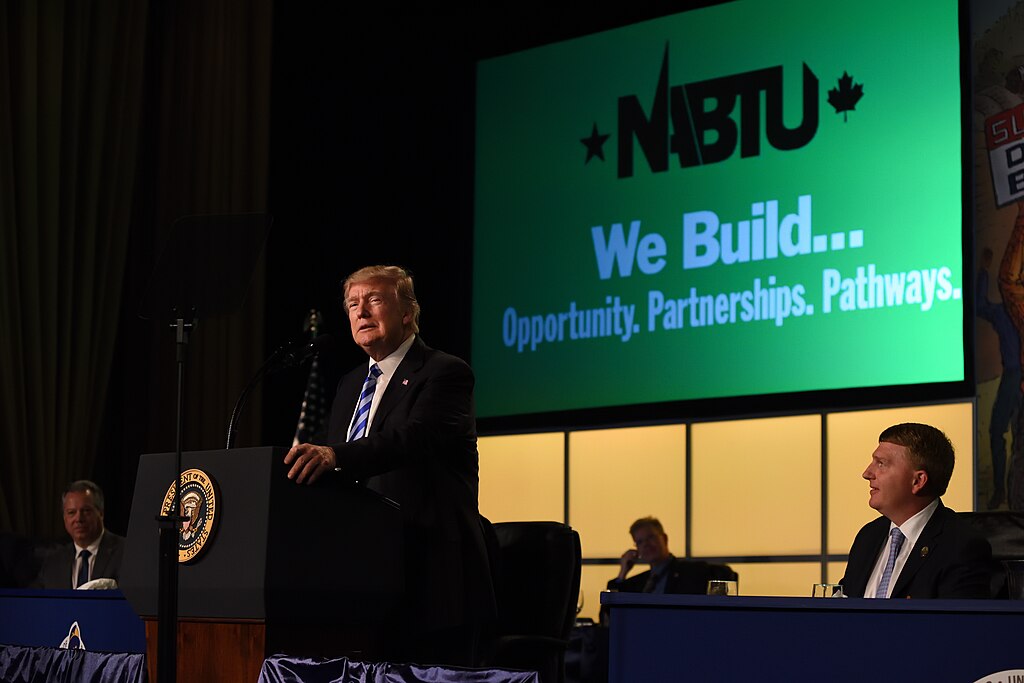
In a significant shift from his previous administration, former President Donald Trump is reportedly planning to exclude former military generals from his national security team, favoring business leaders and CEOs instead, according to sources familiar with his strategy.
During his first term, Trump's national security apparatus prominently featured high-ranking military officials, including Generals James Mattis, H.R. McMaster, and John Kelly. However, recent reports suggest that Trump intends to pivot away from this approach, opting for individuals with extensive business backgrounds to spearhead national security initiatives.
This strategic realignment underscores Trump's preference for leaders with corporate experience, reflecting his belief that business acumen can effectively address complex security challenges. By integrating CEOs and business executives into national security roles, Trump aims to infuse a results-driven, efficiency-focused mindset into the nation's defense and security strategies.
Notable figures being considered for key positions include Elon Musk, CEO of Tesla and SpaceX, who has been mentioned as a potential leader for a proposed Department of Government Efficiency. This department would focus on reducing government spending and regulations, aligning with Trump's emphasis on streamlined governance. Additionally, Jeff Yass, founder of Susquehanna International Group, is reportedly a contender for Treasury Secretary, despite differing views from Trump on certain issues. John Paulson, a hedge fund manager and loyal supporter, is also a possible pick for Treasury Secretary. Howard Lutnick, CEO of Cantor Fitzgerald and a long-time Trump ally, has been vetting potential appointees and may take on a significant role like U.S. ambassador in Jerusalem. Scott Bessent, with a background at Soros Fund Management, may also be considered for Treasury Secretary. Lastly, North Dakota Governor Doug Burgum, once a vice-presidential contender, may still join Trump’s Cabinet, potentially as Secretary of State.
This departure from a military-centric national security team has sparked debate among political analysts and former officials. Critics argue that the absence of seasoned military leaders could lead to a deficit in strategic defense expertise, potentially compromising the nation's security posture. They contend that military experience provides invaluable insights into global threats and the complexities of defense operations.
Conversely, proponents of Trump's approach assert that incorporating business leaders into national security roles can foster innovative solutions and a fresh perspective on defense challenges. They highlight the potential for improved efficiency, cost-effectiveness, and a focus on measurable outcomes, aligning with Trump's broader agenda of government reform.
This strategy also reflects a broader trend within Trump's prospective administration to prioritize loyalty and alignment with his policy objectives. By selecting individuals from the business sector, Trump may be seeking to build a team that shares his vision for national security and is committed to implementing his directives without the potential dissent that characterized his previous administration.
As Trump continues to shape his potential national security team, the implications of this shift remain a focal point of discussion among policymakers and the public. The balance between military expertise and business acumen in safeguarding national interests will be a critical consideration in the effectiveness of this new approach.
The evolving composition of Trump's national security team underscores a significant transformation in his leadership style and strategic priorities. Whether this pivot will enhance the nation's security framework or present unforeseen challenges remains to be seen as the administration's plans unfold.







