


 Russian Envoy Dmitriev Heads to US for Ukraine Talks
  Zelenskiy Warns Russia Preparing Major Attack on Ukraine
  Trump Administration Plans Faster FDA Reviews for Smoke-Free Nicotine Products
  Kremlin Says No Grounds Yet for Ukraine Peace Talks
  China Tightens Fentanyl Rules Ahead of Trump-Xi Summit
  Macron Challenges Trump’s Gaza Peace Claims at UN
  Trump Board of Peace Unveils $2.45 Billion Gaza Recovery Plan
  Macron, Trump Discuss Ukraine-Russia Energy Strike Moratorium
  Venezuela Promises Elections as Delcy Rodriguez Pledges Democratic Transition
  Gaza Faces Evacuation Crisis as War-Damaged Buildings Risk Collapse
  US, China Extend Trade Truce to Jan. 10 Ahead of Trump-Xi Summit
  Russian Strikes Kill Eight Across Ukraine as Energy Sites Hit
  Ghana Says Western Support Growing for Slave Trade Reparations
  Lula and Flavio Bolsonaro Tied in Brazil Runoff Poll
  Europe Warns Russia Is Escalating Hybrid Attacks Across NATO
  Vietnam, US Trade Deal Could Be Signed Soon, To Lam Says
  US Invites Putin to Miami G20, Opening Door to Trump Summit


 Add as a preferred source on Google
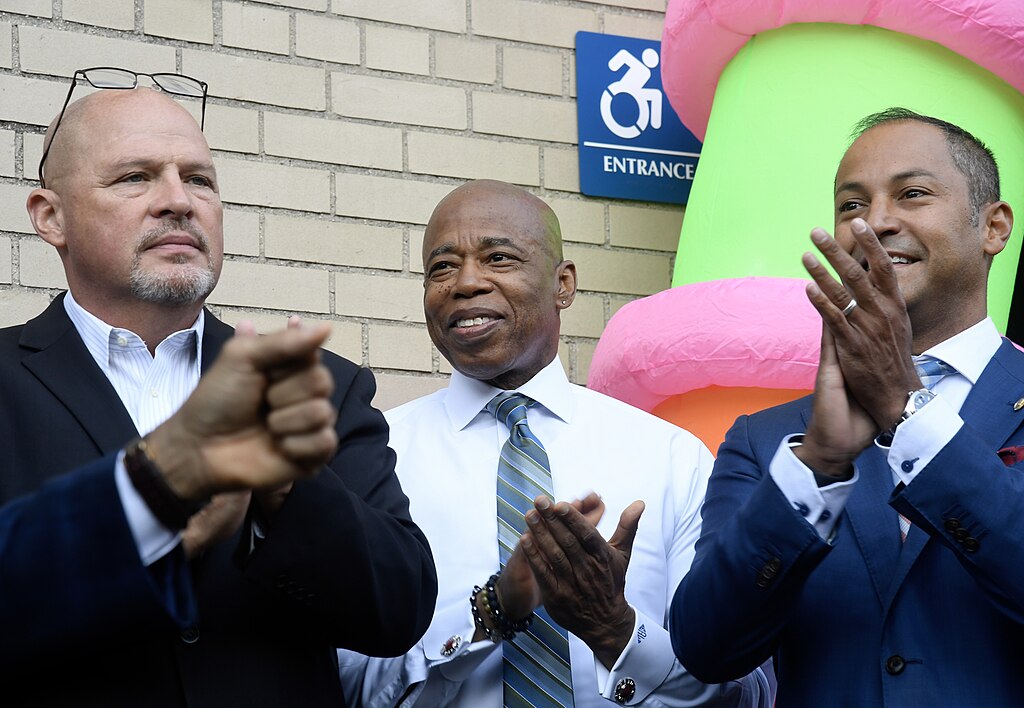
New York City Mayor Eric Adams has made the controversial decision to end food vouchers for migrants, a move he says is necessary as the city struggles to manage the financial burden of a growing influx of migrant families. The announcement, which has already ignited a firestorm of reactions, underscores the immense challenges facing the city as it attempts to balance humanitarian support with financial constraints.
Speaking at City Hall on Wednesday, Adams addressed the spiraling costs of providing food assistance to thousands of migrants, stating that the city “simply cannot afford” to continue the program. “New York has always been a city of compassion and support,” Adams said. “But the reality is, we’re facing an unprecedented strain on our budget. We must make tough decisions to ensure that our resources can meet the needs of all New Yorkers.”
A Strained System and Rising Costs
The food voucher program, introduced as part of the city’s broader support network for migrants, was initially intended to provide short-term assistance for newly arrived individuals and families. However, with thousands of migrants arriving each month, the program’s costs have ballooned beyond what city officials initially projected. According to sources within City Hall, the food voucher program has been costing the city millions, adding to the already high expenses associated with providing temporary housing and healthcare for the migrant population.
The mayor emphasized that the decision was not made lightly but came as the city grapples with a mounting deficit and the need to allocate funds to other critical areas, including education, public safety, and affordable housing. “This isn’t about abandoning those in need,” Adams explained. “It’s about making sure we have a sustainable plan that doesn’t compromise our ability to serve New Yorkers.”
A Divisive Move Met with Backlash
The decision has prompted significant backlash from community leaders, advocacy groups, and some city council members who argue that cutting food assistance is a drastic measure that will leave vulnerable families without essential support. Many expressed concerns that this policy change will push migrant families further into poverty and increase food insecurity within the community.
“This decision is unacceptable and inhumane,” said Maria Lopez, a representative from the New York Immigrant Coalition. “By taking away food vouchers, the city is turning its back on people who came here seeking safety and a chance at a better life. We urge Mayor Adams to reconsider this decision.”
City council member Alexa Perez echoed these sentiments, accusing the mayor of “abandoning our values of compassion and inclusion” and warned that this move could lead to increased homelessness and social instability. “These are families, people who are trying to rebuild their lives. To deny them food is a betrayal of what this city stands for,” Perez said.
Balancing Act Between Fiscal Responsibility and Humanitarian Aid
While Adams acknowledged the criticisms, he defended the decision as necessary for the city’s long-term financial health. He argued that New York City has been shouldering a disproportionate share of the migrant crisis and called on federal and state governments to step in with additional support.
“We need help from Washington and Albany,” Adams said, urging other levels of government to recognize the burden that cities like New York are carrying. “Until we receive that support, we have to prioritize our resources to ensure the city can continue functioning effectively for everyone.”
The mayor’s announcement is part of a larger conversation about how cities across the country are handling the challenges posed by the migrant crisis. As the number of new arrivals grows, cities from New York to Chicago to Los Angeles are increasingly calling on federal authorities to provide more assistance and resources.
Adams concluded his statement by reaffirming the city’s commitment to compassion but underscored the need for fiscal pragmatism. “We are doing everything we can to be supportive, but we can’t do it alone,” he said. “This decision reflects our commitment to the well-being of all New Yorkers, even as we face tough choices.”
As the city moves forward with the policy change, the debate over how to address the needs of migrants in New York remains heated, with calls for action at all levels of government.







