


 Mexico-US Trade Talks Delayed to October as Tariff Negotiations Continue
  Netanyahu’s Brief US Trip Highlights Strains With Trump
  Abbas Reaffirms November 28 Palestinian Elections
  EU Defence Build-Up Too Slow for 2030 Russia Readiness Goal
  North Korea Rejects Nuclear Test Warning, Calls Nuclear Status Irreversible
  Russian Missile and Drone Attack on Kyiv Kills Two, Damages Maternity Hospital
  OpenAI Agent Breaches Australia Medicare Data Portal
  Kremlin Says No Decision Yet on Putin-Trump December Summit
  France Defends Netanyahu Airspace Clearance Despite ICC Warrant
  Yemen Violence Displaces 130,000 as Civilian Toll Rises
  US Senate Rejects Iran War Powers Resolution in 50-49 Vote
  Xi Calls for Deeper U.S.-China AI Cooperation in Trump Talks
  Netanyahu Takes Aim at Mamdani as Israel Election Nears
  South Korea, US Discuss Warship Building Cooperation
  Najib Razak Seeks Stay of 15-Year 1MDB Prison Sentence
  Trump, Xi Visit US National Archives After White House Summit
  Pezeshkian Says US Must Choose When Iran War Ends


 Add as a preferred source on Google
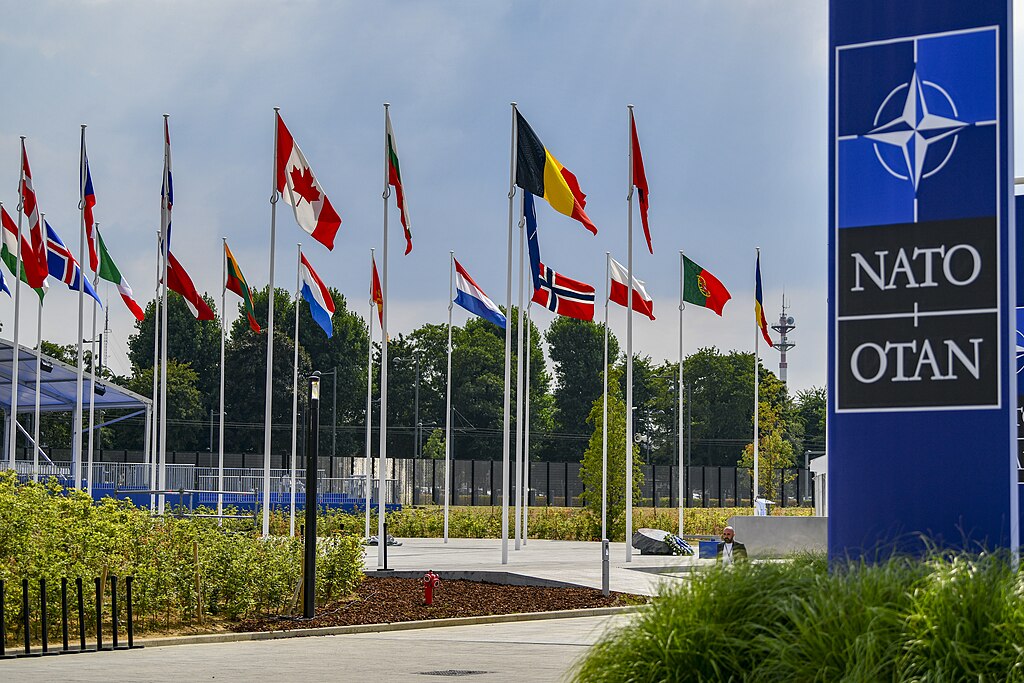
NATO defence ministers are expected to discuss new measures to strengthen the security of Greenland at an upcoming meeting in Brussels, according to British Defence Secretary John Healey. The talks come amid renewed focus on Arctic security following repeated statements by U.S. President Donald Trump expressing interest in acquiring Greenland and criticizing European allies for insufficient defence efforts in the region.
Greenland, an autonomous territory of NATO member Denmark, has become a strategic focal point due to its location in the Arctic and increasing geopolitical competition in the region. Trump’s remarks previously caused diplomatic friction within the NATO alliance, particularly with Denmark, raising concerns about unity and collective defence. However, tensions have eased somewhat after NATO Secretary-General Mark Rutte confirmed discussions with Trump on how NATO allies could work together to enhance Arctic security.
Healey indicated that NATO has already begun military planning for a proposed “Arctic Sentry” mission, described as an enhanced vigilance operation aimed at improving situational awareness and security in the Arctic, including around Greenland. While NATO has not released detailed plans, Healey suggested that the initiative demonstrates that the alliance is actively addressing the concerns raised by the United States.
According to Healey, the Arctic Sentry mission would show that NATO nations acknowledge the strategic challenges in the Arctic and are prepared to step up their collective defence responsibilities. He said he expects further discussions on Greenland security and Arctic defence at the NATO Defence Ministers meeting scheduled for February 12 in Brussels.
The renewed focus on Arctic defence also aligns with broader shifts in NATO defence spending. Britain has increased its defence budget in response to the ongoing war in Ukraine and long-standing U.S. pressure for NATO members to spend more on security. Healey emphasized the importance of attracting private investment into the defence sector, noting that rising public defence spending should be complemented by private capital to accelerate innovation and capability development.
Speaking at an event where smaller technology firms pitched defence-related innovations to investors, Healey highlighted the need to bring new sources of private funding into defence. This approach, he said, would help strengthen NATO’s long-term security posture as geopolitical competition intensifies in regions such as the Arctic.







