


 Taiwan Vows to Advance US Arms Sales Ahead of Trump-Xi Meeting
  Trump Meets Venezuela’s Delcy Rodriguez at UN Assembly
  US Officials Split Over Response to Israeli West Bank Settlements
  Russian Strikes Kill Eight Across Ukraine as Energy Sites Hit
  Kremlin Says No Grounds Yet for Ukraine Peace Talks
  Sudan Rejects US Legitimacy Remarks, Defends Sovereignty
  Trump Board of Peace Unveils $2.45 Billion Gaza Recovery Plan
  Trump to Press Xi on Release of US Nuclear Expert Held in China
  Macron Challenges Trump’s Gaza Peace Claims at UN
  Europe Warns Russia Is Escalating Hybrid Attacks Across NATO
  Ghana Says Western Support Growing for Slave Trade Reparations
  Vietnam, US Trade Deal Could Be Signed Soon, To Lam Says
  South Korea, US Discuss Warship Building Cooperation
  US, China Extend Trade Truce to Jan. 10 Ahead of Trump-Xi Summit
  Macron, Trump Discuss Ukraine-Russia Energy Strike Moratorium
  Venezuela Promises Elections as Delcy Rodriguez Pledges Democratic Transition
  Iran Vows ‘Crushing’ Response as US Talks Continue


 Add as a preferred source on Google
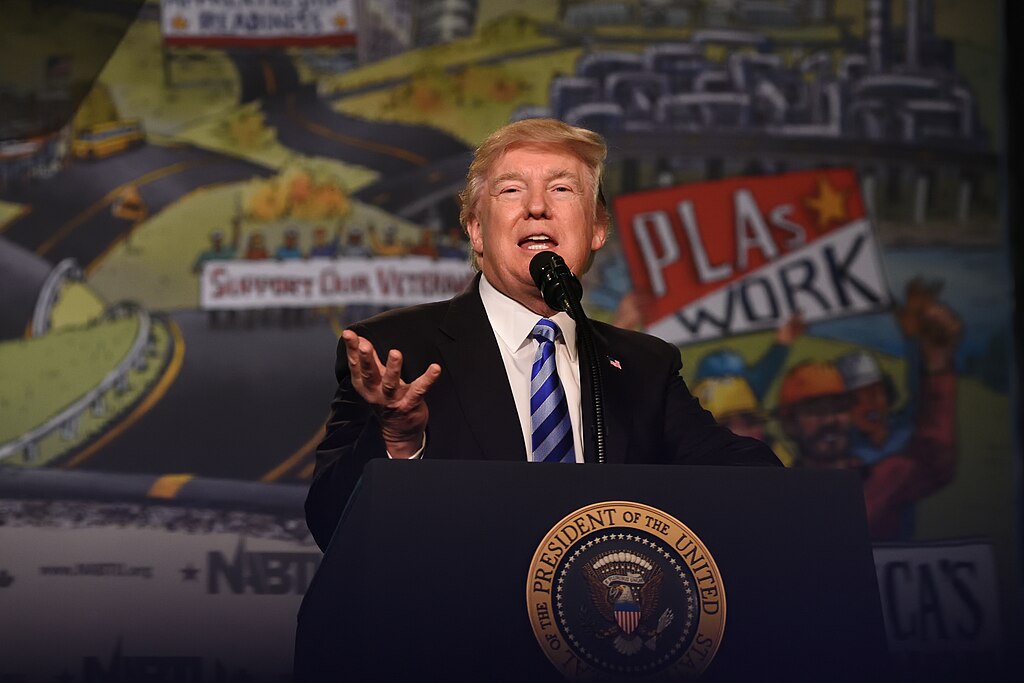
Former Border Commissioner Mark Morgan is urging President-elect Donald Trump to take a hard-line approach against sanctuary cities by withholding federal funds from any state or municipality that offers protections to undocumented immigrants. Morgan’s statement has reignited the heated national debate on immigration policies, as he argues that taxpayer dollars should not support jurisdictions that choose to defy federal immigration laws.
Morgan, who served as the acting commissioner of U.S. Customs and Border Protection under Trump, is advocating for a stringent crackdown on sanctuary policies, echoing calls for a zero-tolerance stance against cities that provide a safe haven for undocumented immigrants. According to Morgan, defunding these jurisdictions would pressure them to comply with federal immigration enforcement, which he believes is essential for the country’s security and sovereignty.
“This is about protecting American citizens and upholding the law,” Morgan said in a recent interview. “If these cities and states want to defy federal law, they should not receive federal funds. Period.”
“No Tax Dollars for Defiance”: Morgan’s Call to Action
Morgan’s call to withhold federal funds aligns with Trump’s previous stance on sanctuary cities, an issue the former president pursued aggressively during his first term. Sanctuary jurisdictions, which range from small towns to major cities like New York, Los Angeles, and Chicago, have policies that limit local cooperation with federal immigration authorities. Supporters argue that such policies foster trust between immigrant communities and local law enforcement, making cities safer overall. Opponents, like Morgan, contend that these policies obstruct the enforcement of immigration laws, potentially endangering American lives.
“Sanctuary policies put citizens at risk by protecting those who have no legal right to be here,” Morgan argued. “It’s a simple choice: if these cities prioritize illegal aliens over their lawful obligations, they shouldn’t expect a dime of federal taxpayer money.”
Morgan went on to emphasize that he believes Trump’s administration must take bold steps to ensure compliance with federal immigration laws. “It’s not about punishment; it’s about accountability. Taxpayer dollars should be used to support law-abiding citizens, not subsidize lawlessness,” he said.
Critics Warn of the Impact on Local Communities
However, not everyone is on board with Morgan’s proposal. Critics argue that defunding sanctuary cities could have devastating consequences for local communities, impacting essential services, infrastructure, and healthcare. Some immigration advocates claim that Morgan’s call for defunding is a form of political retribution that would harm innocent residents, many of whom are American citizens.
“These federal funds support critical programs for everyone, not just undocumented immigrants,” said an immigration policy analyst. “By withholding funds, you’re hurting local economies, families, and public safety, which would only deepen the divide in these communities.”
Supporters of sanctuary policies argue that they foster cooperation between immigrant communities and local law enforcement by allowing undocumented residents to report crimes without fear of deportation. They contend that stripping cities of federal funding would create distrust and make communities less safe.
A Battle over Federal Funding Looms
As President-elect Trump prepares to take office, immigration policy is expected to be a central issue. With strong voices like Morgan pushing for defunding sanctuary cities, the administration may face fierce opposition from local leaders and immigrant advocates. Some analysts anticipate that any attempt to withhold federal funds could lead to prolonged legal battles, with cities challenging the move as an overreach of federal power.
For now, Morgan’s bold stance reflects the ongoing polarization in America’s immigration debate. As the nation awaits Trump’s inauguration, it’s clear that the question of sanctuary cities will remain at the forefront of U.S. policy discussions.
In Morgan’s words: “No more taxpayer dollars for lawbreakers. Sanctuary cities must choose — protect the law or lose the funds.”







