


 Indonesia Plans Higher Asset Yields to Boost Rupiah and Restore Investor Confidence
  Oil Prices Drop as Strait of Hormuz Shipping Recovers
  Taiwan Central Bank Likely to Keep Interest Rates Unchanged Through 2027
  BOJ Hawk Signals Faster Interest Rate Hikes Amid Inflation Risks
  Japan Signals Preference for Low Interest Rates as BOJ Policy Debate Intensifies
  South Korea Remains MSCI Emerging Market Despite Reform Progress
  RBI Holds Interest Rates at 5.25%, Cuts India Growth Forecast Amid Rising Global Risks
  Morgan Stanley Sees Chinese Auto Market Recovery Gaining Momentum in Late Summer
  RBI Hits Pause as Geopolitical Storm Clouds Gather
  Malaysia Central Bank Moves to Support Ringgit Amid Foreign Fund Outflows
  South Korea Signals Possible Interest Rate Hike as Inflation Remains Elevated
  China Keeps Loan Prime Rates Unchanged for 13th Straight Month as Policymakers Prioritize Credit Demand Recovery
  Oil Prices Drop as Middle East Supply Recovery Eases Market Concerns
  S&P Affirms Brazil’s BB Credit Rating with Stable Outlook Amid Fiscal Challenges


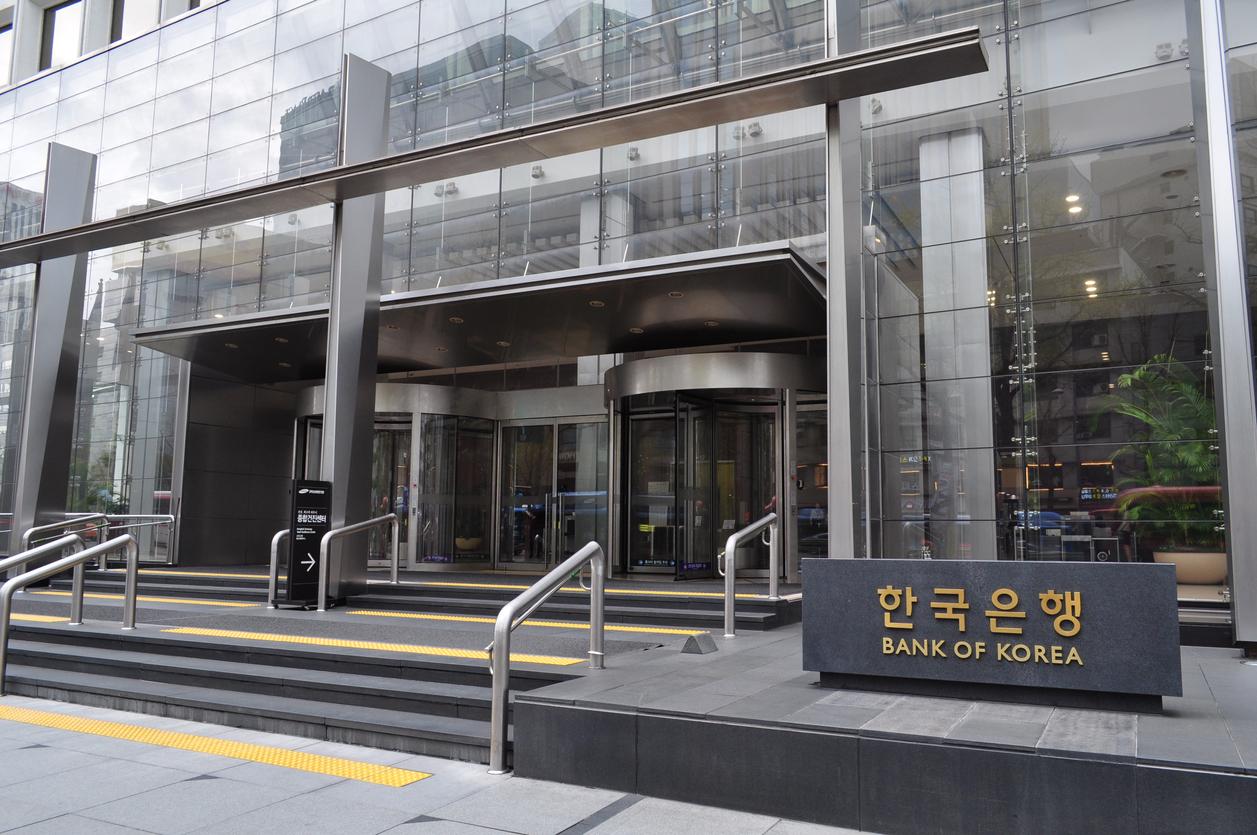
South Korea's incoming Bank of Korea (BOK) Governor nominee Shin Hyun-song has hinted at a possible shift toward tighter monetary policy, warning that prolonged supply-side shocks stemming from the ongoing Middle East conflict could force the central bank to act on rising inflation.
Speaking at a parliamentary confirmation hearing in Seoul on Wednesday, Shin acknowledged growing economic pressure on Asia's fourth-largest economy, stating that the unresolved Iran war crisis is expected to sustain inflationary pressure well into the near term. "A significant test is coming," he told lawmakers, noting that if price pressures persist, they risk feeding into inflation expectations, core inflation, and ultimately broader price instability — a scenario that would demand a monetary policy response.
When pressed on whether he views inflation as a greater threat than slowing growth, Shin reaffirmed that price stability remains the central bank's top priority. He cautioned that surging import costs are likely to accelerate inflation, complicating an already fragile economic outlook marked by weaker GDP performance and elevated consumer prices.
The remarks represent a notable shift in tone from South Korea's monetary authority. The BOK held its benchmark interest rate steady at 2.50% during its April 10 meeting — the final policy decision under outgoing Governor Rhee Chang-yong, whose term concludes on April 20. Markets will closely watch Shin's leadership for any signals of a hawkish pivot in the months ahead.
Adding to his forward guidance, Shin also reversed his previously neutral position on currency policy, explicitly warning against excessive weakening of the South Korean won and pledging direct market intervention should exchange rate volatility escalate beyond acceptable levels. The combined stance on both inflation and the won signals a more assertive approach to macroeconomic management under Shin's anticipated leadership.







