


 Oil Prices Jump 3% as Houthi Attack Revives Supply Fears
  U.S. Dollar Hits Two-Month High as Oil, Treasury Yields Surge
  BOJ Raises Interest Rate to 31-Year High as Yen Weakens
  BOJ Flags Import Costs and Yen Shocks as Persistent Inflation Risks
  US 10-Year Treasury Yield at 6% Emerges as New Market Risk Threshold
  RBI Uses $10 Billion Currency Swaps to Drain Excess Rupee Liquidity
  Fed Unveils Stablecoin Rules Under GENIUS Act
  European Stocks Slip as Iran Tensions Offset Strong Eurozone Data
  Wall Street Ends Flat as Oil, Treasury Yields and Fed Jitters Rattle Markets
  Yen Sinks as BOJ Rate Hike Fails to Impress Markets
  Gold Prices Fall as Treasury Yields Rise on Fed Rate Hike Bets
  Asian Currencies Mixed as Dollar Holds Near Two-Month High
  US Dollar Hits Two-Month High as Fed Rate Hike Bets Rise
  Oil Prices Surge as U.S.-Iran Diplomacy Hopes Fade


 Add as a preferred source on Google
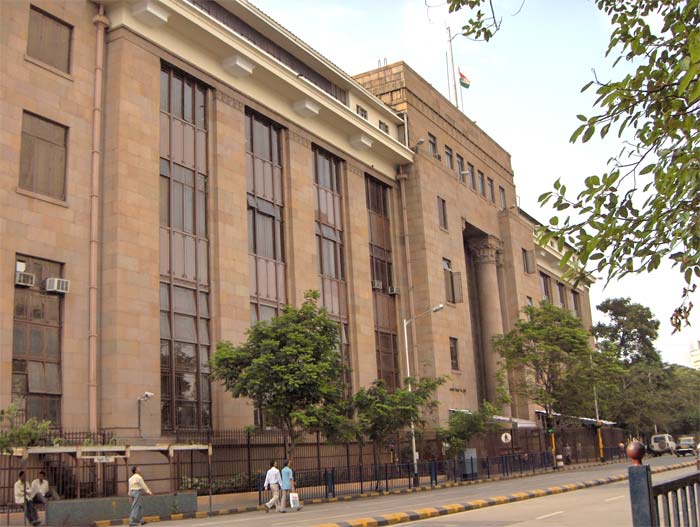
The Reserve Bank of India (RBI) has decided to keep its benchmark repo rate unchanged at 5.25%, in line with market expectations, while lowering its economic growth forecast due to increasing global and domestic challenges. The central bank also maintained its neutral monetary policy stance as policymakers assess the impact of ongoing geopolitical tensions and economic uncertainty.
RBI Governor Sanjay Malhotra stated that the Monetary Policy Committee chose to leave interest rates unchanged until there is greater clarity regarding the economic effects of the conflict in the Middle East. According to Malhotra, risks to inflation have increased significantly, making a cautious approach necessary.
Despite entering the current period of uncertainty from a position of strength, India’s economy is facing mounting pressures. Rising crude oil prices, concerns over a weaker monsoon season, and slowing global economic activity are expected to weigh on growth in the coming months. These factors prompted the RBI to revise its gross domestic product (GDP) growth forecast for the current fiscal year to 6.6%, down from its previous estimate of 6.9%.
The central bank also raised its inflation outlook. Consumer Price Index (CPI) inflation is now projected to average 5.1% during the fiscal year, compared with the earlier forecast of 4.6%. Higher energy costs linked to disruptions in global oil markets and the possibility of increased food prices due to unfavorable weather conditions were cited as key reasons for the upward revision.
India remains particularly vulnerable to fluctuations in oil prices because the country imports more than 80% of its crude oil requirements. Supply disruptions stemming from tensions in the Middle East have added pressure on the Indian economy and the national currency.
The Indian rupee has experienced volatility in recent months, with rising oil import costs contributing to weakness against the U.S. dollar. The RBI has reportedly intervened in foreign exchange markets several times to stabilize the currency and prevent excessive depreciation.
With inflation risks rising and global uncertainties persisting, the RBI is expected to closely monitor economic developments before making any future adjustments to interest rates. Investors and businesses will be watching upcoming inflation data, oil price movements, and monsoon conditions for further signals on the direction of India's economy and monetary policy in 2026.







