


 Yen in Focus as BOJ, Fed Rate Hikes Reshape Currency Markets
  BOJ Set to Raise Rates to 1.25% as Inflation Risks Build
  Japan Private-Sector Growth Slows as Domestic Demand Weakens
  Gold Drops Over 1% as Dollar, Treasury Yields Surge on Fed Rate Hike Bets
  Oil Prices Jump 3% as Houthi Attack Revives Supply Fears
  U.S. 10-Year Treasury Yield Hits 2007 High as Fed Rate Hike Bets Rise
  U.S. Treasury Yields Surge as 30-Year Hits 22-Year High
  South Korea, US Discuss Warship Building Cooperation
  Russian Envoy Dmitriev Heads to US for Ukraine Talks
  Fed Unveils Stablecoin Rules Under GENIUS Act
  China’s ‘Lipstick King’ Says AI Won’t Replace Livestream Hosts
  US Dollar Hits Two-Month High as Fed Rate Hike Bets Rise
  Global Central Banks Brace for More Rate Hikes as Inflation Risks Rise


 Add as a preferred source on Google
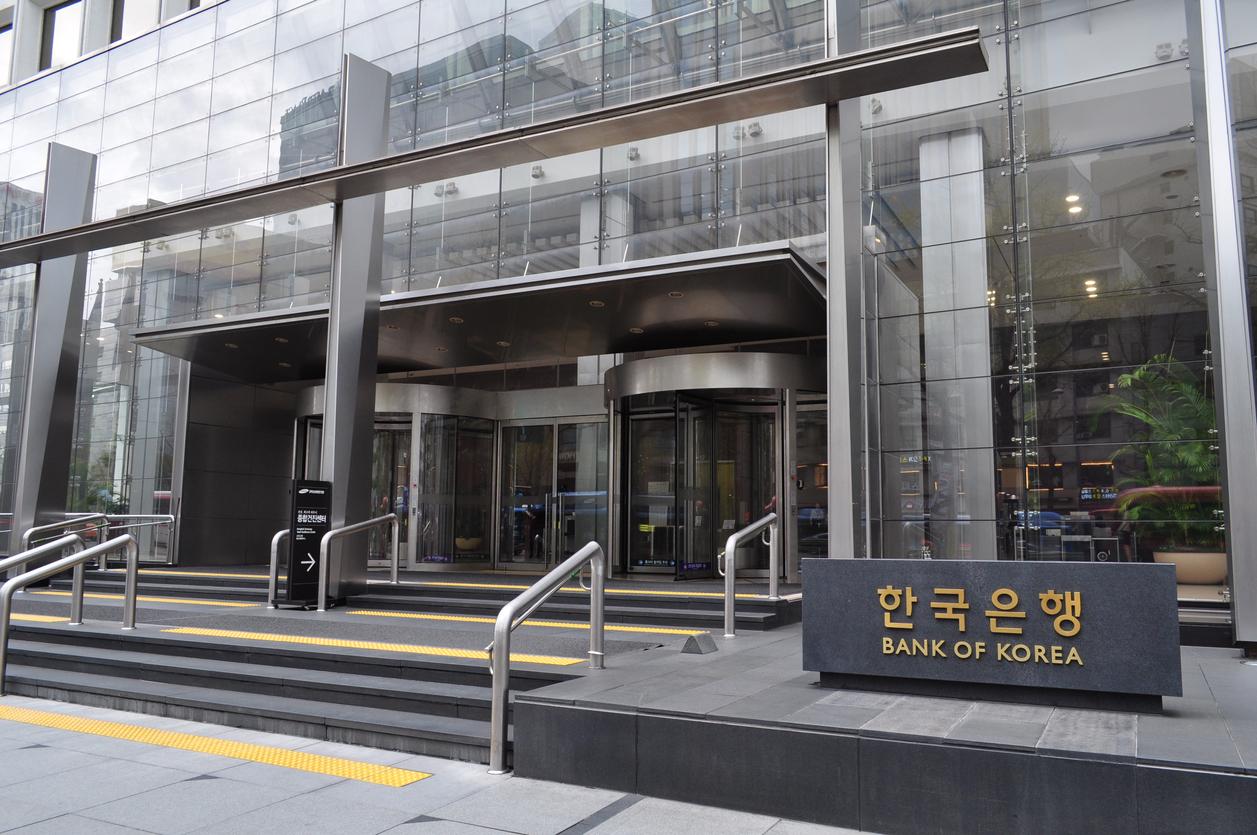
South Korea’s central bank has reinforced expectations of a potential interest rate hike as inflationary pressures continue to build amid rising global oil prices linked to ongoing tensions in the Middle East.
Bank of Korea (BOK) Governor Shin Hyun-song said on Friday that policymakers should raise interest rates “on time” to maintain price stability, emphasizing that inflation is likely to remain above the central bank’s target for an extended period. His comments strengthen market expectations that the BOK could begin monetary tightening as early as its next policy meeting in July.
According to Shin, current economic conditions present limited trade-offs for monetary policy decisions, allowing the central bank to focus primarily on controlling inflation. He noted that economic data released since the BOK’s May policy meeting has further supported the need for a tighter monetary stance.
Recent data showed that South Korea’s consumer inflation rate accelerated to 3.1% in May, marking its highest level in more than two years. The figure exceeded market forecasts and highlighted persistent price pressures affecting the economy. The central bank’s medium-term inflation target remains at 2%, making the latest reading a significant concern for policymakers.
The rise in inflation has been driven in part by higher energy costs, with global oil prices climbing due to geopolitical instability in the Middle East. As a result, the BOK expects inflation to remain above its target level for a considerable period.
At its most recent policy meeting in May, the Bank of Korea kept its benchmark interest rate unchanged. However, a hawkish split among members of the seven-person monetary policy board signaled growing support for tighter monetary policy. The move was viewed as an effort to curb inflation while also providing support for the weakened South Korean won.
Financial markets are now closely watching the BOK’s next interest rate decision, scheduled for July 16. Economists and investors will be looking for further signals on the central bank’s strategy as South Korea navigates persistent inflation, currency pressures, and global economic uncertainty.







