


 US Stock Futures Fall as Treasury Yields Surge Ahead of Trump-Xi Summit
  Gold Drops Over 1% as Dollar, Treasury Yields Surge on Fed Rate Hike Bets
  US Dollar Hits Two-Month High as Fed Rate Hike Bets Rise
  Wall Street Ends Flat as Oil, Treasury Yields and Fed Jitters Rattle Markets
  Fed Unveils Stablecoin Rules Under GENIUS Act
  U.S. Treasury Yields Surge as 30-Year Hits 22-Year High
  BOJ Set for Rate Hike as Inflation and Yen Pressure Mount
  Australia Unemployment Hits Five-Year High Despite Strong Jobs Growth
  Yen Sinks as BOJ Rate Hike Fails to Impress Markets
  Japanese Yen Retreats as Dollar Rises Ahead of Fed, BOJ Rate Decisions
  China’s ‘Lipstick King’ Says AI Won’t Replace Livestream Hosts
  Asian Stocks Fall as Bond Yields Surge Ahead of Trump-Xi Summit
  South Korea, US Discuss Warship Building Cooperation
  Trump, Xi Focus on Trade and AI at White House Summit


 Add as a preferred source on Google
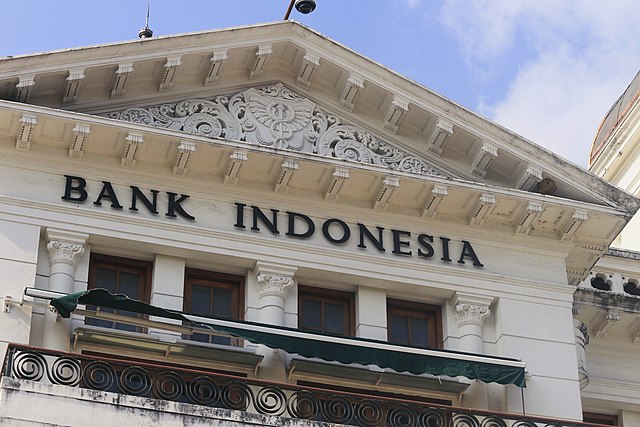
Indonesia’s central bank and finance ministry have agreed to increase yields on Indonesian financial assets in an effort to attract foreign portfolio inflows and strengthen the rupiah, which has recently fallen to record lows. The announcement was made by Bank Indonesia (BI) Governor Perry Warjiyo following a meeting with government officials and lawmakers.
Warjiyo stated that both Bank Indonesia and the Finance Ministry would work together to enhance the attractiveness of Indonesian asset yields to encourage investors to return to the market. However, he did not provide specific details regarding how the policy would be implemented.
Indonesia has experienced significant capital outflows in 2026, driven by investor concerns over President Prabowo Subianto’s expansive spending programs, rising fiscal pressures, and growing fuel subsidy costs linked to the ongoing Iran conflict. These concerns have weighed heavily on market sentiment, contributing to a more than 30% decline in the Jakarta Composite Index (JKSE) and a sharp depreciation of the rupiah.
Investor confidence has also been affected by concerns over central bank independence, transparency within Indonesia’s stock market, and government plans to centralize exports of key commodities. As a result, foreign ownership of Indonesian government bonds has dropped to its lowest level in nearly two decades.
To stabilize the currency, Bank Indonesia has intensified intervention efforts in the foreign exchange market while simultaneously purchasing long-term government bonds in the secondary market to maintain liquidity. The Finance Ministry has also conducted bond buyback operations to help contain rising bond yields.
Market participants remain uncertain about how the newly announced policy coordination will impact government bond auctions and monetary operations. Recent data showed that one-year BI securities (SRBI) were auctioned at a weighted average yield of 7.25%, exceeding the yield on Indonesia’s 10-year government bonds.
Warjiyo also revealed that Bank Indonesia would increase the interest paid on government deposits held at the central bank, a move intended to ease concerns among international credit rating agencies. Finance Minister Purbaya expressed confidence that stronger coordination between fiscal and monetary authorities would help rebuild investor trust and improve market stability.
The latest measures follow Bank Indonesia’s unexpected 50-basis-point interest rate increase in May, which was aimed at supporting the rupiah and maintaining financial stability amid challenging market conditions.







